
Companies that sold gender-reveal fireworks which ignited California wildfire agree to $4m settlement
Companies agree to pay $4 million settlement for gender-reveal wildfire in California
The Guardian World1 min read

UK officials explored the potential for allowing chlorinated chicken imports from the US, despite previous denials of such plans. Documents reveal discussions on chemical-washed chicken ahead of a meeting with the US embassy.
Mentioned in this story
British officials were briefed on the possibility of allowing chemical-washed chicken into the UK before a meeting with the US embassy, new documents reveal.
The Food Standards Agency is also looking at studies performed in the US on washing chicken with bacteriophages, including chlorine dioxide, to remove pathogens, according to the documents, released to the campaign group 38 Degrees under freedom of information laws.
Ministers have repeatedly said they have “no plans” to allow chicken washed with chlorine and other chemicals into the UK, despite pressure from the Trump administration to do so during trade deal talks.
In the US, farmers are allowed to use chlorine washes and other disinfectants to remove harmful bacteria that may have infected chickens during rearing and slaughter. The EU banned the practice in 1997, leading to a long-running dispute over imports of chicken from the US. There are concerns that chlorine may compensate or mask poorer hygiene and animal welfare standards earlier in the food chain.
During trade deal negotiations last year, the US agriculture secretary, Brooke Rollins, said US agriculture was being treated “very unfairly” by countries such as the UK, and she wanted the UK to accept “all meat” from the US.
The White House adviser Peter Navarro at the same time called sanitary standards a “phoney tool used to suppress what is very fine American agricultural product” and said the market should decide, adding: “We don’t believe that once [British people] taste American beef and chicken that they would prefer not to have it.”
The documents confirm that high-level briefings were prepared for a meeting between a Department for Environment, Food and Rural Affairs (Defra) director and the US embassy in London on or around 4 December 2025, during the trade deal talks.
It confirmed that it would be possible to change standards to allow for chemical-washed chicken, reading: “Pathogen reduction treatment rules (including decontamination with chlorine) are set out in UK hygiene legislation. The legislation provides for new substances to be authorised for use, only after a rigorous UK risk analysis process.”
A separate request to the Food Standards Agency revealed the government quango “did conduct work on the strength of evidence for the effectiveness of interventions against campylobacter [a type of bacteria that can cause diarrhoea] at various stages of the food chain, this included a review of chemical treatments including studies performed in the USA. These reports are currently being prepared for publication with a view to being published on our website in late May.” This work was conducted around the same time as the trade talks.
Matthew McGregor, CEO at 38 Degrees, said: “These documents uncovered by 38 Degrees prove that while the government is publicly telling us they have ‘no plans’ to lower our food standards, behind closed doors it’s a different story.
UK officials discussed the possibility of allowing chemical-washed chicken imports from the US before a meeting with the US embassy.
The controversy stems from concerns that chlorine washes may mask poor hygiene and animal welfare standards, as the EU banned this practice in 1997.
The Trump administration pressured the UK to accept all meat from the US, including chicken treated with chlorine and other chemicals, during trade negotiations.
Bacteriophages are viruses that can be used to wash chicken and remove pathogens, and the UK Food Standards Agency is examining studies on their use alongside chlorine dioxide.
Companies agree to pay $4 million settlement for gender-reveal wildfire in California

Mourinho will return to Real Madrid if Perez wins the election!

US House passes resolution to restrict Trump's military actions against Iran
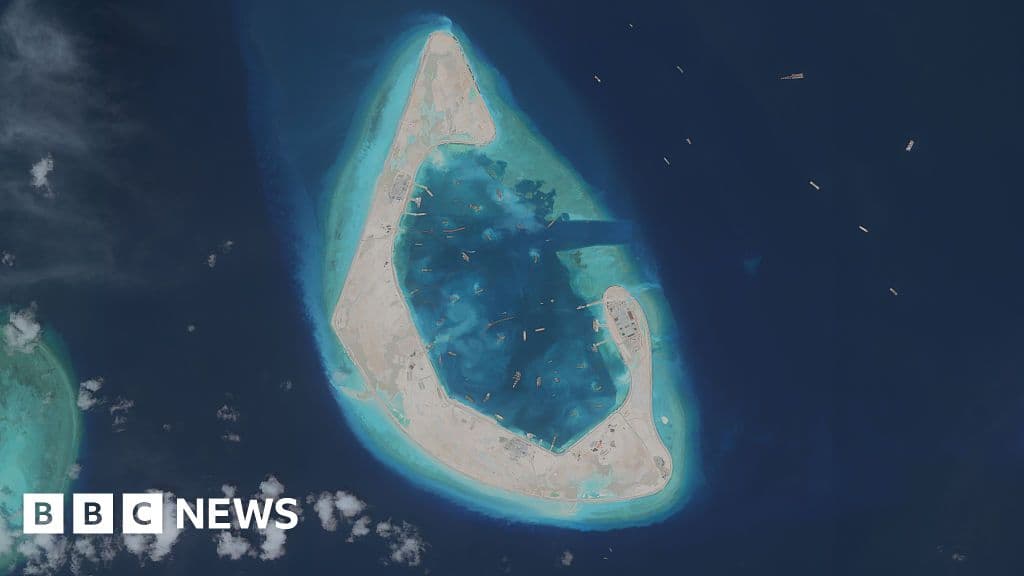
Antelope Reef has transformed into a 6-sq-km island in just six months due to massive dredging.

Meet Adam Hamawy, the doctor and veteran running for Congress in NJ

House votes to end hostilities with Iran, rebuking Trump
See every story in News — including breaking news and analysis.
“A ‘plan’ can change with the stroke of a pen. With officials being briefed on exactly how the UK could open its doors to chlorinated chicken in order to appease Donald Trump, it seems nothing’s off the table. This revelation will be a cause for concern for consumers across the country, who have zero appetite for chlorinated chicken.
“The British public’s message is clear: they don’t want to hear about ‘legislative processes’ for toxic washes, they want a cast-iron guarantee that our food standards are not for sale.”
Defra has been contacted for comment.