
One in 70 people worldwide is forcibly displaced: UNHCR
UNHCR reports that 117.8 million people are forcibly displaced worldwide, marking a decline for the first time in a decade.
Al Jazeera English1 min read

UK house prices fell by 0.6% in May, the first decline this year, due to rising mortgage rates linked to the war in Iran. The average home price is now £278,024, up 1.7% from last year but down from 3% growth in April.
House prices fell in the UK for the first time this year in May, as rising interest rates triggered by the war in Iran hurt homebuyer demand.
The price of the average UK home dropped 0.6% in May compared with the month before, according to the lender Nationwide.
The typical house price was 1.7% higher than the same point last year, at £278,024. However, that marked a slowdown from an annual growth rate of 3% in April.
Robert Gardner, the chief economist at Nationwide, said a “loss of momentum was to be expected” given uncertainty caused by conflict in the Middle East and the subsequent rise in energy prices and market interest rates.
Mortgage rates have broadly risen across the market in recent months. The average two-year fixed rate was 5.68% at the end of May, while the average five-year fix was 5.63%, according to the financial data provider Moneyfacts.
Tom Bill, a researcher at the estate agent Knight Frank, said Nationwide’s figures showed the housing market was slowing down “at precisely the time of year when you would expect momentum to be building”.
“There won’t be a cliff-edge moment, but the impact of higher borrowing costs will erode spending power and squeeze house prices this year as mortgage rates agreed before the Middle East conflict gradually disappear,” he said.
The estate agent Savills has forecast that house prices will fall this year owing to rising mortgage rates.
It said the impact of war in the Middle East had “fundamentally changed” its outlook for the UK property market, predicting that average house prices will fall 2% this year, compared with its previous expectation of a 2% rise.
But Gardner added that, while market interest rates had risen in recent months, the impact on affordability had so far been modest.
“Swap rates, which underpin fixed‑rate mortgage pricing, remain well below the highs reached in 2023 and are broadly in line with levels prevailing in 2024, implying only a partial reversal of earlier gains,” he said.
“This provides some confidence that, if the latest shock passes relatively quickly, and energy prices normalise in the quarters ahead, any near-term softening in the housing market will also prove short lived.”
Martin Beck, the chief economist at WPI Strategy, said: “Even if mortgage rates edge lower, the market remains vulnerable.
“Affordability is still stretched, mortgage repayments absorb a historically large share of household incomes, and a weakening labour market would pose a much greater threat to house prices than interest rates alone.”
Last week, Andrew Bailey, the governor of the Bank of England, said the central bank was in no rush to raise interest rates while the outcome of the Iran war remained uncertain and the UK’s economic growth remained weak. The Bank’s monetary policy committee last voted in April to keep its key interest rate on hold at 3.75%.
The decline in UK house prices was primarily caused by rising mortgage rates triggered by the war in Iran, which negatively impacted homebuyer demand.
UK house prices dropped by 0.6% in May 2023 compared to the previous month.
As of the end of May 2023, the average two-year fixed mortgage rate was 5.68%, and the average five-year fixed rate was 5.63%.
UNHCR reports that 117.8 million people are forcibly displaced worldwide, marking a decline for the first time in a decade.

US and Iran trade strikes as Trump warns Tehran will 'pay the price' for stalled talks.

Orijol Rukaj, an escaped prisoner, is believed to be in Melbourne after fleeing during his brother's funeral.
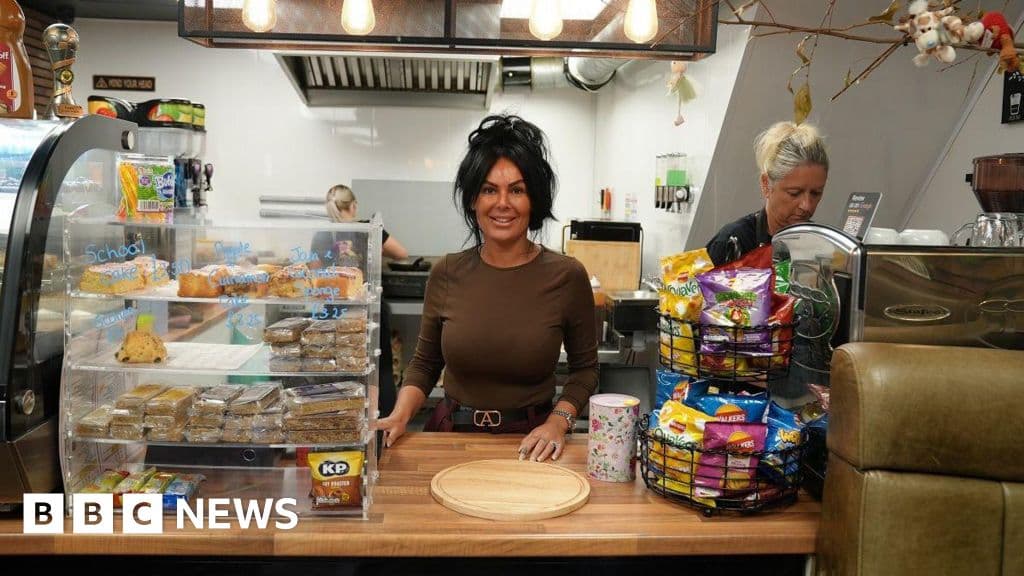
Makerfield's by-election on June 18 reflects deep voter frustration and calls for change.

Family of British toddler Cheryl Grimmer speaks at Australian inquiry into cold case murders

Voter cynicism poses a significant threat to incumbents globally as elections approach.
See every story in News — including breaking news and analysis.