
UK alcohol deaths fall for first time since Covid pandemic
UK sees first drop in alcohol-related deaths since the Covid pandemic, with 9,809 deaths in 2024.
BBC News1 min read

UK government borrowing costs have increased as Keir Starmer's speech did not alleviate investor concerns about political instability and inflation. The yield on 10-year government bonds rose to 5%, while 30-year gilts reached 5.67%.
Mentioned in this story
The cost of government borrowing has crept higher as Keir Starmer’s crucial speech failed to dispel investor “jitters” in the bond markets over political instability combined with fears of rising inflation.
The yield, effectively the interest rate, on the benchmark 10-year UK government bonds (known as gilts) rose eight basis points (or 0.08 of a percentage point) to 5% on Monday.
The yield on 30-year gilts rose 9.3 basis points to 5.67%, edging closer to the 28-year high of 5.78% last week when uncertainty about Starmer’s future as prime minister was intensifying.
In his speech, Starmer said he would fight any leadership challenge and would not walk away from his responsibilities after Labour’s drubbing in local elections in England and parliamentary contests in Scotland and Wales last week.
Borrowing costs fell on Friday as the results of the elections emerged with signs that Labour had not suffered as badly as first feared. Those falls, however, were more than erased by Monday’s rises.
Susannah Streeter, the chief investment strategist at Wealth Club, a non-advisory investment service, said the speech had not “done the trick of calming bond markets”.
“There is still a sense of jitters playing out as concerns about political instability collide with inflationary fears prompted by the ongoing conflict in the Middle East,” she said.
Bond yields move in the opposite direction to bond prices because investors want to pay less and get a bigger reward for the risk of holding them. Higher yields increase the cost of borrowing for the government and eat away at the headroom that the chancellor, Rachel Reeves, has built up against her fiscal rules.
The chief UK economist at Deutsche Bank, Sanjay Raja, estimated last week that more than half of the £24bn margin for error Reeves created by raising taxes in last autumn’s budget may already have been wiped out by higher gilt yields and the prospect of weaker economic growth.
The rise in borrowing costs was triggered by Keir Starmer's speech, which failed to ease investor jitters regarding political instability and inflation.
The yield on 10-year UK government bonds increased by eight basis points to reach 5%.
The yield on 30-year UK gilts rose by 9.3 basis points to 5.67%, approaching a recent high of 5.78%.
In his speech, Keir Starmer stated he would fight any leadership challenge and would not abandon his responsibilities following Labour's poor election results.
UK sees first drop in alcohol-related deaths since the Covid pandemic, with 9,809 deaths in 2024.
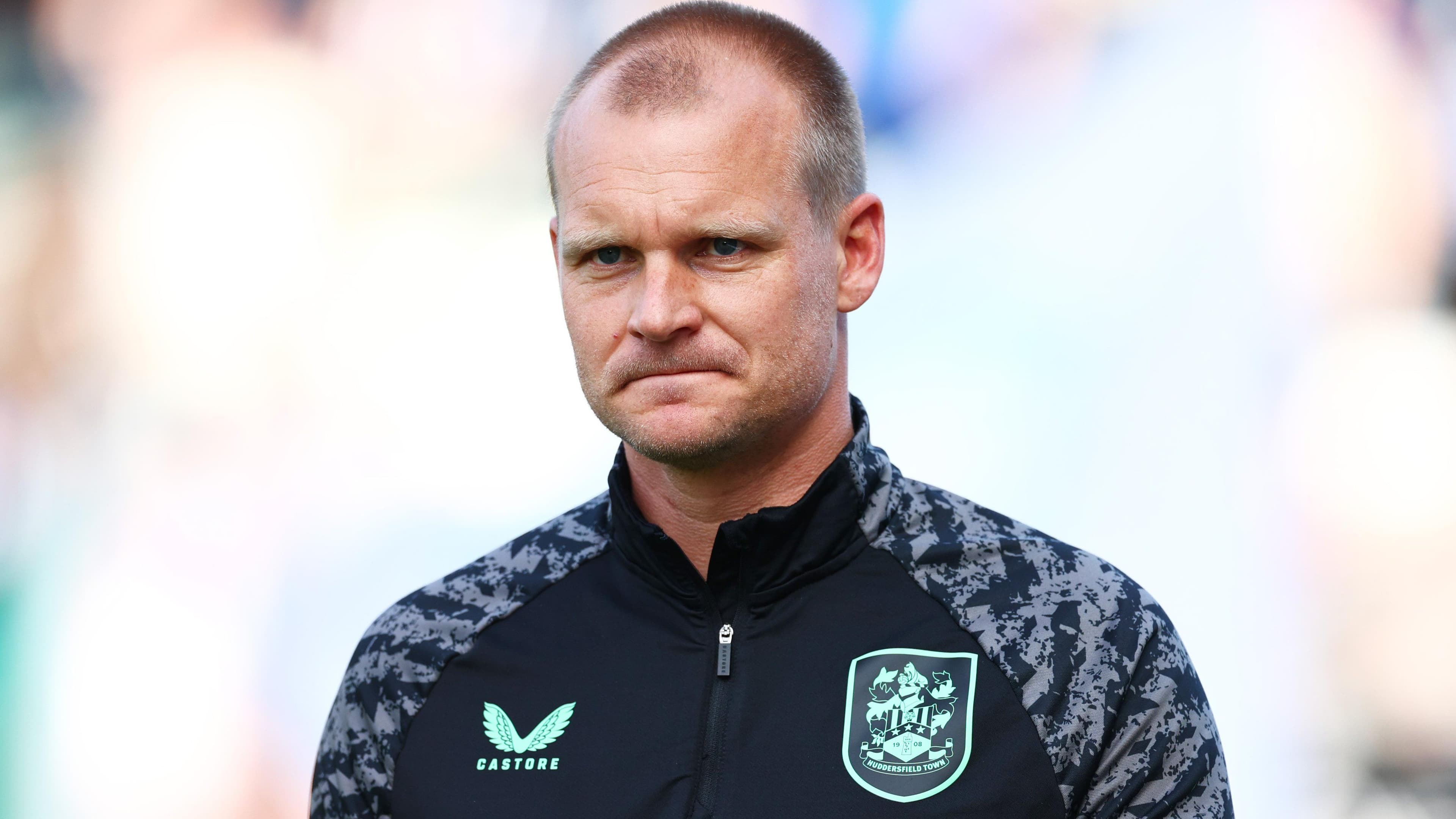
Liam Manning departs Huddersfield Town after taking compassionate leave.

Reform UK councillor resigns after offensive social media posts

Trump claims Iran ceasefire is 'on life support' after rejecting their response.

Senate Democrats, led by Chuck Schumer, are opposing a Republican plan to allocate $1 billion for security improvements at a ballroom Donald Trump wants to build. The funding is part of a larger $70 billion measure aimed at supporting Trump's immigration enforcement initiatives.

Eighteen US passengers from a hantavirus-hit ship are quarantined in Nebraska and Georgia.
See every story in News — including breaking news and analysis.
Reeves has sought to win back bond market investors’ confidence since Labour came to power after Liz Truss’s short-lived government alarmed markets in 2022 with huge unfunded tax cuts. Reeves has repeatedly pointed out that £1 in every £10 the public sector spends goes on debt interest and said she is intent on bringing that down.
Investors, however, are becoming increasingly worried that the risk of rising inflation as a result of soaring energy prices linked to the Iran war, alongside in-fighting among Labour MPs over Starmer’s future, will lead to a downgrade in the UK’s creditworthiness.
Part of the worry is that if Starmer is forced out of Downing Street, his possible replacements may seek to increase public spending and loosen the government’s fiscal rules. Two potential frontrunners to succeed him, Angela Rayner and Andy Burnham, have hinted that they would like to see higher public spending.
The deputy chief UK economist at Capital Economics, Ruth Gregory, said: “The UK’s already fragile fiscal position means that investors will be on edge for any signs of fiscal loosening.”
Alongside political uncertainty, the gilt market is also being affected by international developments in the Iran war. Investors believe the UK is more exposed than many other developed countries to the threat of rising inflation from higher energy prices and this is being priced into the yield.
Oil prices rose on Monday after Donald Trump condemned Iran’s response to US proposals to end the war as “totally unacceptable”.
Gregory said: “Most of the recent rise in gilt yields is due to the jump in energy prices, rather than a potential change in prime minister.
“For the gilt market, the war in Iran matters more. If there’s a resolution, market interest rate expectations and gilt yields would probably fall regardless of domestic political developments.”