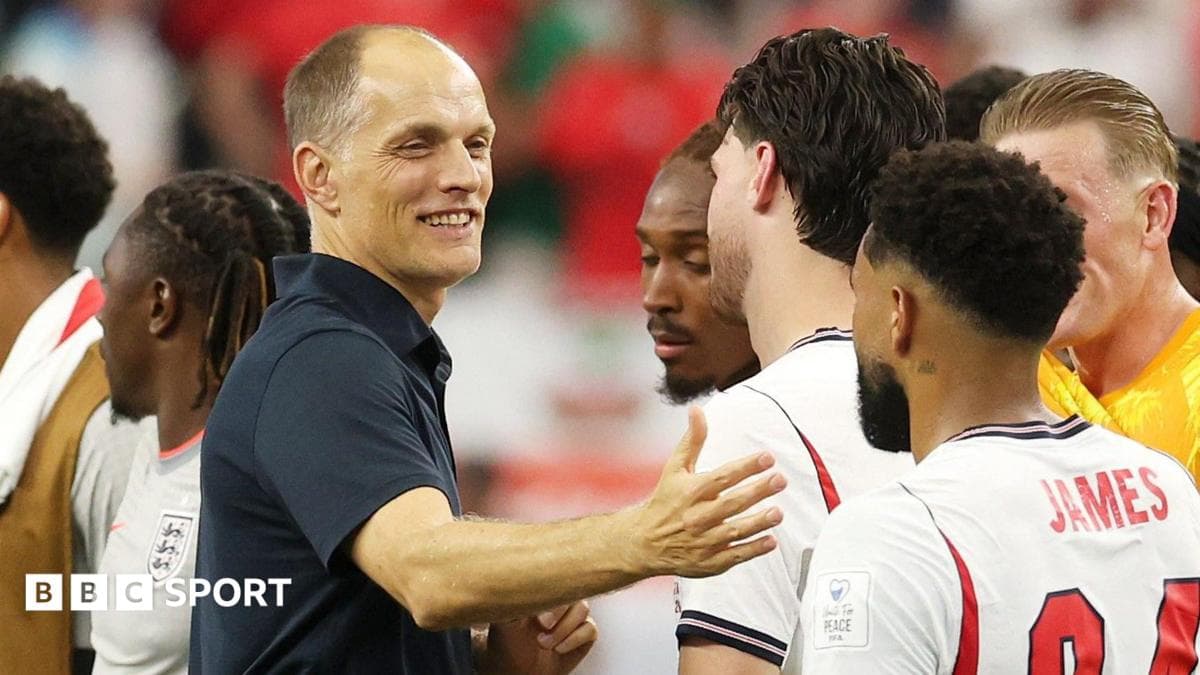
I tried to encourage them to go for it - Tuchel
England starts World Cup with a thrilling 4-2 win over Croatia
BBC News1 min read

Donald Trump's Iran deal reflects unrealistic ambitions, ending with Iran's commitment to nuclear discussions but no concrete agreements on ballistic missiles. Hezbollah celebrates a ceasefire, highlighting the complexities of the conflict.
Mentioned in this story
As the adage goes: no plan of battle survives first contact with the enemy.
Donald Trump entered the war with Iran with maximalist goals: eliminating the country’s nuclear programme, destroying its ballistic missile programme and ending its support for regional military groups including Hezbollah and Hamas.
He exits it with Iran’s word not to build a bomb and to hold further nuclear discussions, no mention in writing of the ballistic missiles programme and with Hezbollah celebrating a “victory” as the memorandum of understanding (MOU) instituted a ceasefire in Lebanon, where Israel has seized a swath of the country as a “buffer zone”.
Iran’s key asset ended up being the strait of Hormuz, the waterway that almost every previous simulation of the war predicated would be quickly cut off by Iran. To reopen the strait, the administration was forced to fold on its broader goals or face what Trump called a “worldwide depression”.
Barbara Leaf, a distinguished diplomatic fellow at the Middle East Institute and a former US assistant secretary of state for near eastern affairs, said the US had started the war with “disastrously unrealistic assessments of the regime’s resilience”, as well as Iran’s readiness to seize the strait of Hormuz and attack US and foreign facilities in the Gulf.
“The US rapidly found that overmatching an adversary that has spent four decades honing its asymmetrical warfighting doctrine and skills would not be the war it had prepared for,” she said. “And the rapid escalation of economic pain globally that eventually came to American consumers made the war all the more untenable.”
Now, she added, Trump faced a conundrum: “He doesn’t want to go back to warfighting. But he’s tossed away so much of the leverage he might have had if the war had ended in the first or second week.”
It has been clear for days that the Trump administration was skittish about putting out the text of its memorandum of understanding (MOU). It was only finally read out by a senior administration official on a briefing call on Wednesday, and the White House still has not published a copy online.
The reasoning is clear: many in Trump’s own party will hate this deal. The outgoing US senator Bill Cassidy, of Maryland, called it the “worst foreign policy blunder in decades”.
“Reagan is rolling over in his grave,” he wrote. “Iran’s nuclear ambitions were not curbed, and they have learned that threatening the strait of Hormuz works and will undoubtedly leverage it in the future. Now, Iran gets to build brand-new infrastructure under this deal.”
Trump aimed to eliminate Iran's nuclear program, destroy its ballistic missile program, and end its support for groups like Hezbollah and Hamas.
The deal resulted in Iran agreeing not to build a bomb and to engage in further nuclear discussions, but it did not address the ballistic missile program.
Hezbollah celebrated a 'victory' following the ceasefire established by the memorandum of understanding.
The strait of Hormuz became a key asset for Iran, influencing the U.S. administration's decisions to avoid broader conflict and potential economic depression.
England starts World Cup with a thrilling 4-2 win over Croatia

Iran confirms electronic signing of MoU with the US, suspending military operations.

The iconic Major oak in Sherwood Forest has died after 1,000 years, failing to produce leaves this year.

For the first time, UNSW has overtaken the University of Melbourne in global rankings, now at 19th.

Cervical cancer deaths have reached zero among young women in England thanks to the HPV vaccine.
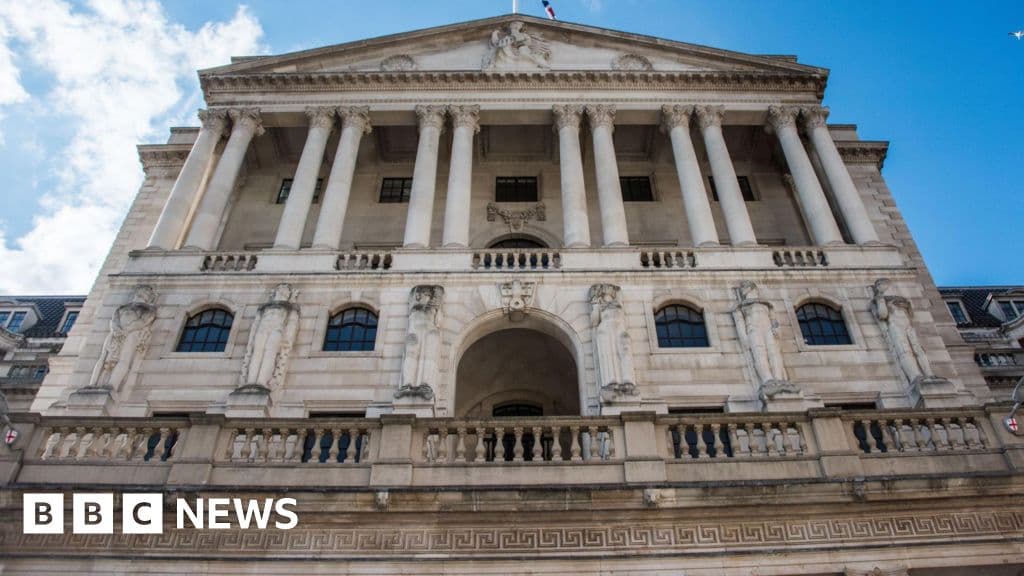
Bank of England expected to hold interest rates steady at 3.75% amid global tensions.
See every story in News — including breaking news and analysis.

An Israeli airstrike in southern Lebanon. The deal backs a ceasefire in Lebanon between Israel and Hezbollah. Photograph: Atef Safadi/EPA
Thom Tillis, Republican senator for North Carolina, said the 14 points published on Wednesday were “not sufficient for me to say it’s a good deal”.
Trump has for years attacked the Obama-era joint comprehensive plan of action, saying that the former president had sent over “pallets of cash” to bribe Iran into not making a bomb. But when it came time for Trump to make his own peace with Iran, he found himself justifying the potential turnover of a far larger set of assets – as well as other financial incentives, backing a ceasefire in Lebanon between Israel and Hezbollah, and allowing Iran and Oman to discuss the future of the strait.
“It’s not our money, it’s their money, and we froze it at a certain point in time,” Trump said of the frozen Iranian assets. “I guess we’re going to have to give it back.”
At moments on Wednesday, it almost seemed that Trump was echoing Iranian talking points, saying that if US ally Saudi Arabia has ballistic missiles then Iran had a point that it should too. As to the potential for Iran’s uranium enrichment, he said: “It’s a little hard when other people have it, other adjoining states have it, and you’re not letting them have it for purposes of electricity and things like that. You have to use a little common sense.”
The MOU was ultimately a pragmatic decision by the Trump administration that the conflict must end as quickly as possible despite the political cost. Leaf said she was “deeply relieved that this ill-conceived war appears to be ending”, but added that there was “little to ensure that the administration won’t find itself slipping back into conflict”.
Robert Malley, a former state department official and negotiator on the Obama-era joint comprehensive plan of action, wrote that there is not much value in comparing the two agreements, which were “fundamentally different agreements that emerged from starkly different contexts”.
“The bottom line is that the MOU is far preferable to any of the alternatives on offer,” he wrote. “Period.”