
‘Lion of Mesopotamia’: How Aymen Hussein beat tragedy to reach World Cup
Aymen Hussein's inspiring journey to the World Cup after personal tragedy.
Al Jazeera English1 min read

Donald Trump announced a potential reduction of US troops in Germany, following criticism from German Chancellor Friedrich Merz about US negotiations with Iran. The decision is expected to be made soon amid rising tensions with NATO allies.
Mentioned in this story
The US may reduce its number of troops deployed in Germany, Donald Trump has announced, days after the country’s chancellor said America was being “humiliated” by Iran.
In a post on his Truth Social platform, the US president said his administration was “studying and reviewing the possible reduction of troops in Germany, with a determination to be made over the next short period of time”.
On Monday, Friedrich Merz suggested the Trump team was being outplayed in its negotiations with Iran to secure an end to the ongoing war and a reopening of the strait of Hormuz.
“The Iranians are obviously very skilled at negotiating, or rather, very skilful at not negotiating, letting the Americans travel to Islamabad and then leave again without any result,” the German chancellor said.
Merz reiterated his criticisms on Wednesday, saying Europe was “suffering” from the consequences of the closure of the Hormuz strait.
Trump cancelled a second trip by US negotiators to Islamabad last week. Since then, discussions over Iran’s nuclear programme, missiles and sanctions relief have hit an impasse.
Trump on Tuesday accused Merz of thinking it’s “OK for Iran to have a nuclear weapon” and said the chancellor “doesn’t know what he’s talking about!”
Earlier on Wednesday Merz brushed off those comments, saying his relationship with Trump remains “as good as ever”, but the president’s threat to withdrawal US troops is likely to cause concern in Berlin and across Europe, coming amid a period of heightened tensions between the US and its traditional allies in Europe that has seen the president step up his threats to withdraw from the Nato alliance.
On 1 April the Trump said he was “absolutely without question” considering withdrawing from Nato because of the European allies failure to take part in the US-Israeli war on Iran and help secure the economically vital strait of Hormuz.
Such a move from the US administration would be catastrophic for the security of Europe, but is seen as unlikely because of US legislation passed in 2024 that prevents a president from withdrawing from Nato without a two-thirds Senate majority or an act of Congress.
Trump is reviewing troop levels in Germany following criticism from German officials regarding US negotiations with Iran.
Merz criticized the Trump administration for being outplayed in negotiations with Iran, suggesting that Europe is suffering from the situation.
Reducing US troops in Germany could strain relations with NATO allies and impact collective security efforts in Europe.
Aymen Hussein's inspiring journey to the World Cup after personal tragedy.

Butler warns Coalition not to use NDIS cuts in political games

Scotland marks World Cup return with 1-0 victory over Haiti!
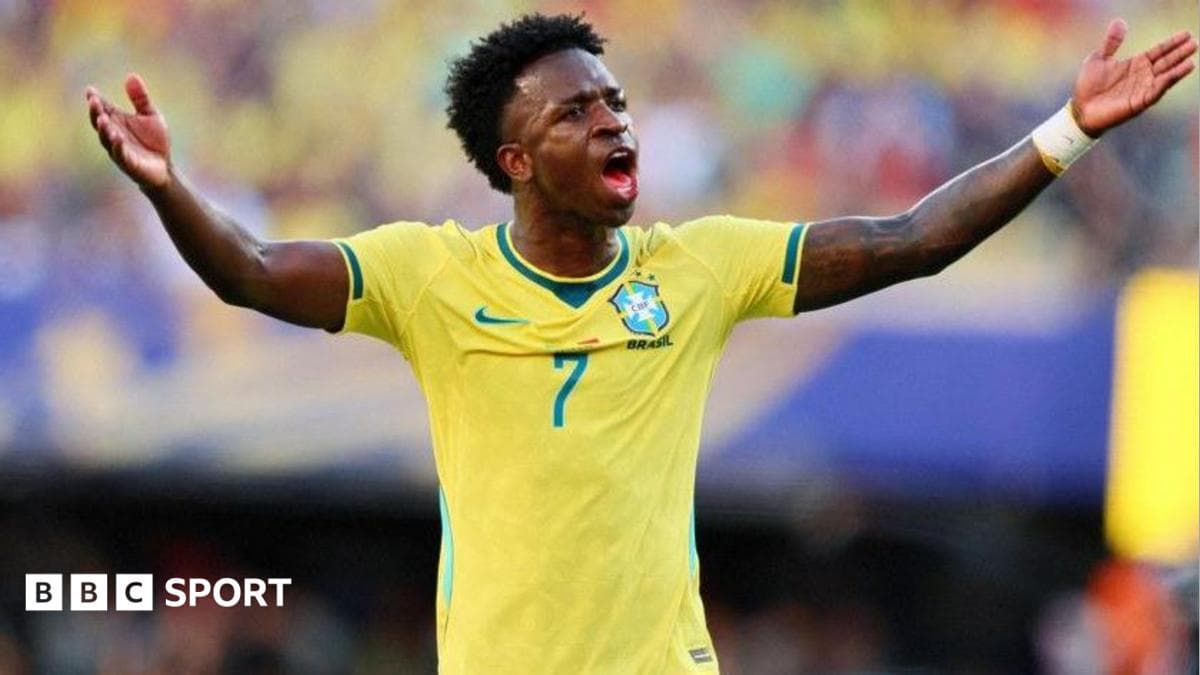
Vinicius Jr's brilliance leads Brazil to a draw with Morocco in World Cup opener.

Mauritania aims to boost tourism by promoting the Richat Structure after recent attacks.

Chimamanda Ngozi Adichie claims Euracare hospital is stalling the inquest into her son's death.
See every story in News — including breaking news and analysis.
Experts have suggested the White House could instead take actions that undermine the alliance but fall short of an outright withdrawal. One such scenario could see Trump withdraw US troops from Europe.
As of 2025, the US had almost 85,000 troops stationed in Europe, with more than 40 bases across the region. Germany houses the largest contingent, with about 39,000 troops. Many of the US bases are “Nato interoperable”, according the Council of Foreign Relations, meaning US troops working alongside official from the alliance.