
ICC chief prosecutor Karim Khan suspended amid sexual misconduct inquiry
Karim Khan, ICC chief prosecutor, suspended amid misconduct inquiry.
The Guardian World1 min read

Donald Trump has proposed tariffs of 10% to 12.5% on 60 countries, including the UK and Canada, over alleged forced labor issues. The EU has criticized this move, claiming it violates a previous tariff agreement.
Mentioned in this story
Donald Trump has threatened tariffs of between 10% and 12.5% on 60 countries including the UK, EU and Australia over alleged forced labour failures, in the latest attempt to revive his signature trade policy.
The EU immediately hit back, saying it expected the US to respect the tariff deal it entered into last July and arguing stealth tariffs breached the spirit of that agreement.
The proposed levies on partners accused of allowing imports of goods produced by workers under coercion come after the supreme court ruled in February that the president’s “liberation day” tariffs were illegal.
Trump responded by imposing 10% across-the-board tariffs, but last month the US trade court found those were also unlawful, although they remain in place during the appeal process.
The latest proposal for tariffs on the grounds of forced labour, which would affect major partners including Canada, Japan, Norway, Taiwan and China, would enable Trump to skirt these previous court-imposed limits on his protectionist agenda. They come as the US threatens to impose fresh levies of 25% on Brazil.
The US trade representative, Jamieson Greer, said: “The failure of our most important trading partners to address the importation of goods made with forced labor is unacceptable. This creates a dynamic where American workers are forced to compete globally on an unlevel playing field. We will no longer tolerate this disparity.”
The threat of fresh tariff disruption will unsettle trading partners, including Keir Starmer, who have fought hard to build trust with Trump and contain the cost of trading with his unpredictable administration.
The European Commission said the EU “fully shares” US concerns about forced labour but “considers tariffs imposed on these grounds to be unjustified”.
It said it remained committed to the deal entered into last July agreeing 15% tariffs on most goods. “We expect the US to fully respect the terms” of that agreement, it said.
Experts predicted that Trump, who has been obsessed with tariffs as a tool of national economic security for decades, would try to find his way around the supreme court ruling in February.
At the time he threatened to use tariffs in a “much more powerful and obnoxious way” with at least six other legal routes to punish those countries he judged perilous to the US economy.
The proposed tariffs would affect 60 countries, including the UK, Canada, Australia, Japan, Norway, Taiwan, and China.
The EU stated that it expects the US to honor a tariff deal from last July and argued that the new tariffs violate the spirit of that agreement.
The new tariffs are seen as a way for Trump to bypass previous court rulings that deemed his earlier tariffs illegal.
Karim Khan, ICC chief prosecutor, suspended amid misconduct inquiry.
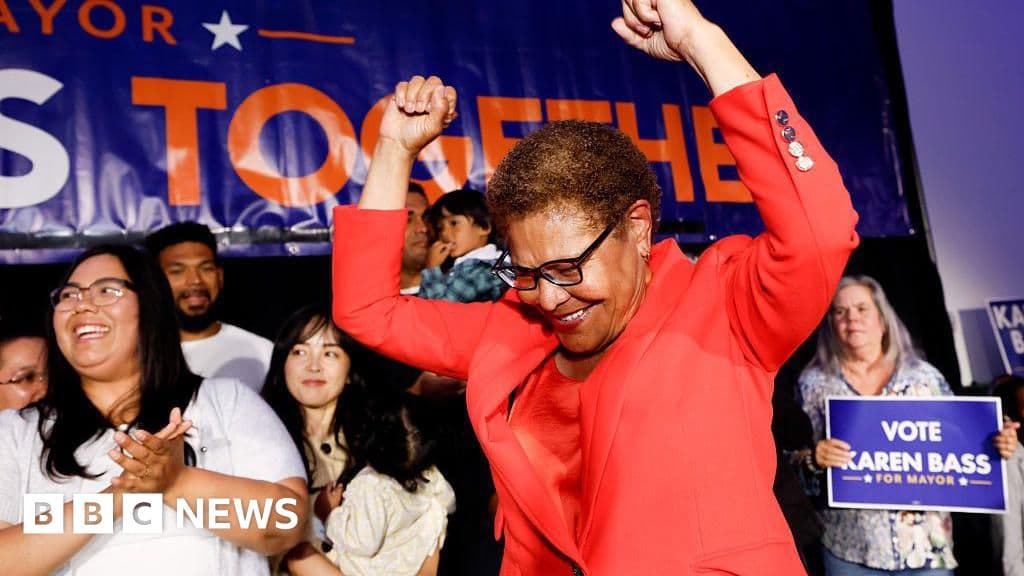
Spencer Pratt exits LA mayoral race as Nithya Raman moves forward against Karen Bass

Nithya Raman defeats Spencer Pratt, faces Karen Bass in LA mayoral election

Nithya Raman edges out Spencer Pratt to face Karen Bass in LA mayoral runoff

Kalshi and Polymarket take a stand against election misinformation by affiliates.

Israel's strikes on Iran escalate tensions, testing Trump's influence.
See every story in News — including breaking news and analysis.
The latest tariffs are a result of investigations into the labour laws in 60 countries using section 301 of the Trade Act of 1974.
According to a 98-page report on that investigation “only Canada, Ecuador, the European Union, Indonesia, Mexico, and Pakistan have not failed to impose a forced labor import prohibition”.
However, the White House judged Canada to be failing to enforce its laws, while in the EU the across-the-board ban on imports of goods using forced labour does not come into force until December 2027, meaning both trading partners could face tariffs.
The report said the EU, Canada, Mexico, Taiwan and the UK would face 10% tariffs, while 12.5% levies would be imposed on China, Japan, India, South Korea, Brazil and Switzerland.
The new tariffs would not take effect immediately and are subject to public comment and review.