
Swiss voters appear to reject proposal to cap population at 10 million
Swiss voters appear to reject a far-right proposal to cap population at 10 million.
The Guardian World1 min read

Donald Trump condemned Israel's attack on Beirut, stating it was inappropriate given the proximity to a potential peace deal with Iran. He urged all parties to refrain from further attacks to foster peace in the region.
Mentioned in this story
United States President Donald Trump has criticised Israel for launching an attack on Lebanon’s capital, Beirut, on the day he has said a deal to end the US-Israeli war with Iran could be signed.
In a post on Truth Social on Sunday, Trump said the Israeli attack on Beirut “should not have happened, particularly on a special day when we are so close to a Peace Deal with Iran”.
“We are very close to a Deal that will bring peace to the region, including to Lebanon, and all sides should stand down,” he said.
“There should be no more attacks by Israel anywhere in Lebanon, but there should also be no more attacks by any other party, including Hezbollah, against Israel,” he said.
“This could be the beginning of a long and beautiful peace — Let’s not blow it!”
The statement came shortly after Iran’s top negotiator and parliament speaker, Mohammad Bagher Ghalibaf, said Israel’s attacks had again drawn US trust into question.
US and Israel twice aunched attacks against Iran – launching the 12-day war in 2025 and the current war on February 28 – amid ongoing indirect talks over Iran’s nuclear programme.
In a post on X, Ghalibaf said the US “either lacks the will to fulfil its commitments or the ability to do so”.
“If you lack the will and ability to fulfil your commitments, speaking of continuing the path is not possible,” he added.
Authorities have said at least three people have been killed in the Israeli strikes on the Dahiyeh area of Beirut.
Israeli Prime Minister Benjamin Netanyahu had said the military launched the strikes in response to Hezbollah firing projectiles towards northern Israel.
In his post on Truth Social, Trump questioned the justification.
“Israel has the right to defend itself against threats, but the attack it was responding to was very small and meaningless, nobody was hurt, injured, or killed, and should not disrupt this important process,” he said.
Trump on Saturday said that a deal with Iran was “scheduled” to be signed on Sunday, with top mediator Pakistan indicating the signing would be digital.
But Iranian officials have offered a slightly different timeline, with Esmaeil Baghaei, a spokesperson for Iran’s Ministry of Foreign Affairs, saying on Saturday the signing could take days.
Still, both sides have broadly indicated that a signing of a memorandum of understanding to end fighting on all fronts, including in Lebanon, was closer than ever.
While no official terms of that initial agreement have been released, both sides have indicated that the Strait of Hormuz would be open, the US naval blockade lifted, and fighting would be immediately halted.
Trump criticized Israel for the attack, stating it should not have occurred, especially as a peace deal with Iran is close.
The peace deal aims to bring stability to the region, including Lebanon, and Trump emphasized the need for all sides to stand down.
Trump suggested there should be no more attacks by Israel or any other parties, including Hezbollah, to maintain the peace process.
Trump shared his thoughts on Truth Social, calling for restraint and emphasizing the potential for a long-lasting peace.
Swiss voters appear to reject a far-right proposal to cap population at 10 million.

Trump calls for calm as Israel strikes Beirut amid peace talks
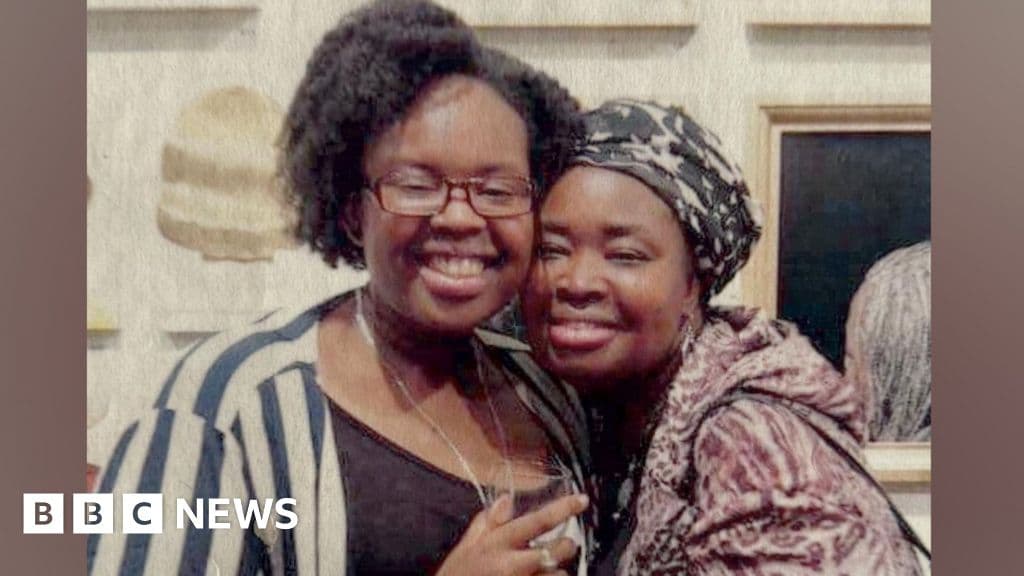
Ninth anniversary of the Grenfell fire highlights ongoing struggles for justice

Trump's upcoming G7 trip to France will center on the Iran conflict and meetings with European leaders.
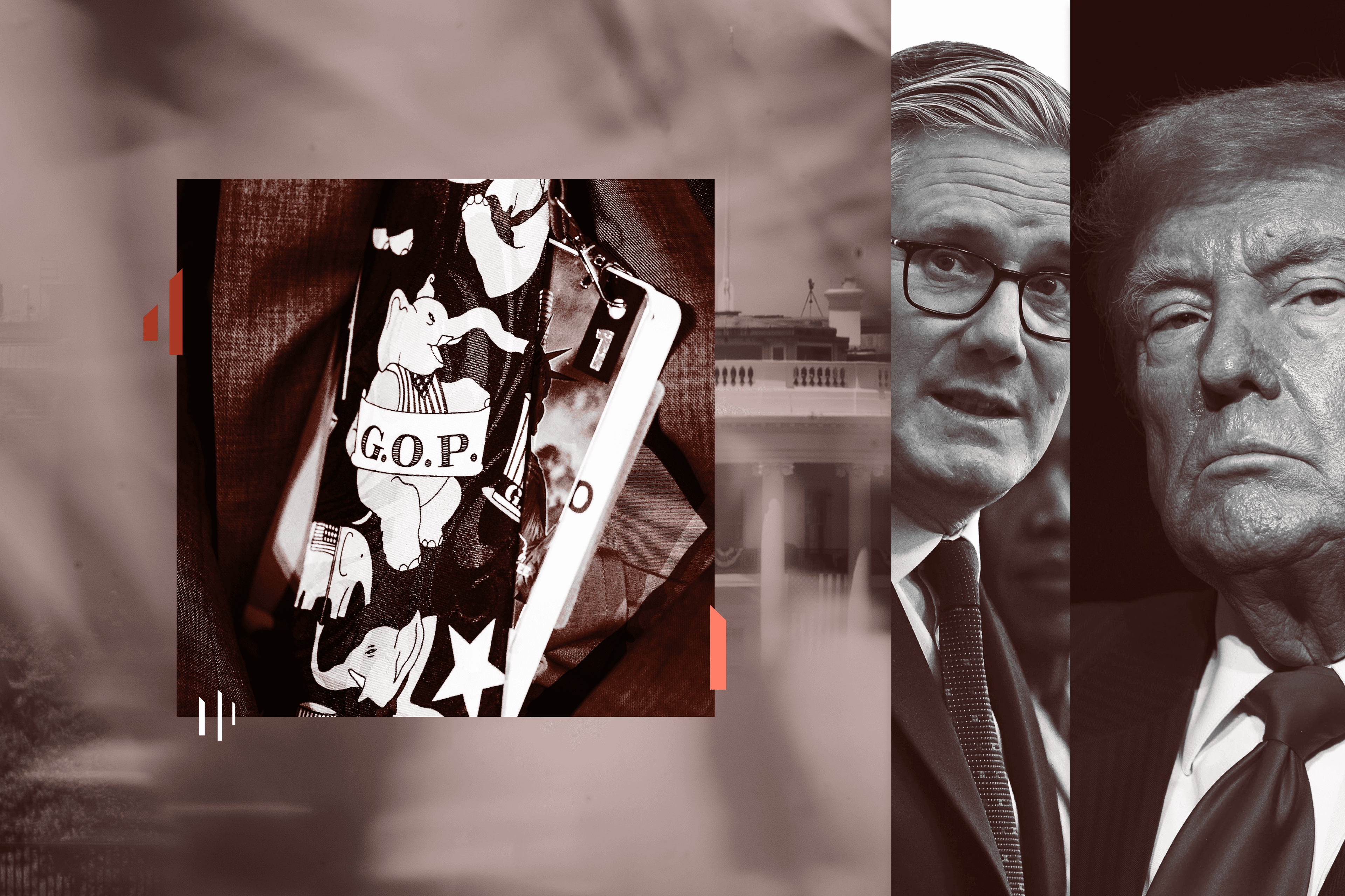
Exploring how UK and US voters express political cynicism differently.

Minnesota woman rescued after being trapped in a mud pit for days
See every story in News — including breaking news and analysis.
Questions over the deeply entrenched issues of the future of Iran’s nuclear programme, frozen Iranian assets and sanctions relief were expected to be addressed in a 60-day period following the initial signing.
Speaking to Al Jazeera, Sami Nader, the director of the Levant Institute for Strategic Affairs, called Israel’s attacks on Sunday a “strategic test” for both sides.
Israel has repeatedly pushed for Lebanon to be decoupled from any deal with Iran, he explained.
“There is also a domestic intention given the current upcoming election in Israel. Netanyahu has been criticised that he is not doing enough against Hezbollah, that he is very differential, lenient to Trump,” Nader said during a television interview.
US officials have publicly said that US and Israeli objectives for the war diverge.
While fighting between the US and Iran has been largely paused since April 8, barring a handful of flare-ups, efforts to reach a more lasting ceasefire have remained elusive.
Trump has repeatedly vowed to reach a deal more stringent than the Joint Comprehensive Plan of Action (JCPOA) signed in 2015.
Under the deal, reached between Iran, the US, the UK, Russia, Germany, France, China and the European Union, Tehran agreed to limit its nuclear programme and allow for unprecedented inspections in exchange for sanctions relief.
Critics said the timelines of the agreement were not strict enough, with Trump unilaterally withdrawing in 2018. Iran has for years denied seeking a nuclear weapon.
Speaking during an interview on the ABC News programme “This Week” released on Sunday, former US President Barack Obama said it was unlikely a better deal on Iran’s nuclear programme could be negotiated than the one his administration negotiated.
“It is doubtful that any agreement that arises is going to be significantly different or a significant improvement from the deal that we had in the first place,” he said.
Obama added the US can not “just bully our way or bomb our way to solutions”.
“You’d think we would have learned that lesson by now,” he said.