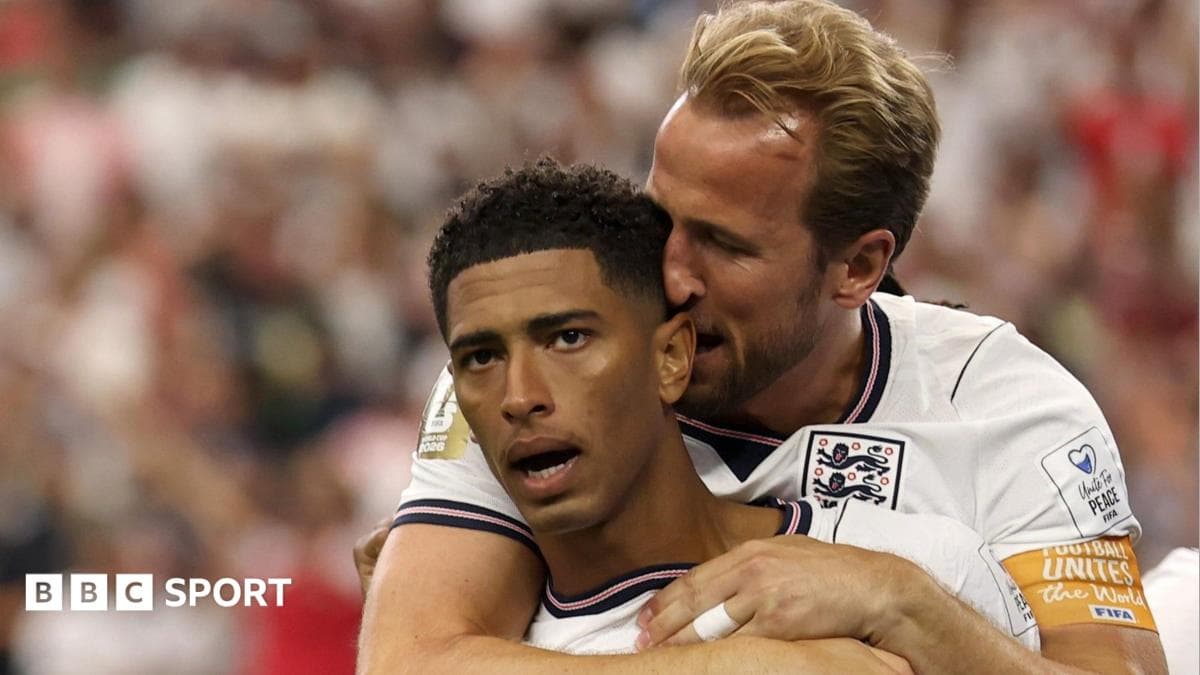
'Chip on shoulder' may help Bellingham to best form
Jude Bellingham believes external pressure can enhance his World Cup performance after scoring against Croatia.
BBC News1 min read

Senate Republicans criticize Trump's Iran deal, calling it a major foreign policy blunder. Senator Bill Cassidy claims the agreement fails to curb Iran's nuclear ambitions and makes significant concessions.
Mentioned in this story
A handful of Senate Republicans have sharply criticized the agreement Donald Trump reached with Iran, accusing the administration of committing “the worst foreign policy blunder in decades”.
On Wednesday, the Trump administration released the text of an interim deal between Washington and Tehran to end the 110-day conflict, framing it as a “major win” for the US – even as the 14-point accord made significant political and financial concessions to Iran to reopen the strait of Hormuz and prevent a “worldwide depression”.
“Reagan is rolling over in his grave,” Republican senator Bill Cassidy declared, in a statement posted on X.
“Iran’s nuclear ambitions were not curbed, and they have learned that threatening the strait of Hormuz works and will undoubtedly leverage it in the future,” the outgoing Louisiana senator wrote. “Now, Iran gets to build brand-new infrastructure under this deal.”
Senior administration officials said the deal would help prevent Iran from obtaining a nuclear weapon, pointing to a concession in the MOU in which Iran sats its enriched uranium stockpile “will be destroyed” through “down-blending”. But critics argue that the deal achieves less than the one Barack Obama negotiated with Iran in 2015.
“Before the war, the strait was open, Iran was being crushed by sanctions, and 13 service members were still alive,” Cassidy said. “Now, 13 Americans are dead, families have paid billions at the pump, sanctions will be lifted, and the bombing has stopped. This is the worst foreign policy blunder in decades.”
Cassidy lost his primary last month when voters in Louisiana opted instead to advance two challengers to a runoff election after an extraordinary intervention by Trump to oust the incumbent. Trump has publicly feuded with Cassidy for years, after the Republican senator voted in favor of Trump’s conviction after the January 6 insurrection.
Before the Louisiana Senate primary election, Trump repeatedly disparaged Cassidy on social media, calling him “a disloyal disaster”.
Senate Republicans, including Bill Cassidy, criticize the deal for making significant concessions to Iran and failing to curb its nuclear ambitions.
Critics argue that Trump's deal achieves less than the 2015 agreement negotiated by Barack Obama, particularly in terms of limiting Iran's nuclear capabilities.
The deal includes political and financial concessions to Iran, allowing it to reopen the strait of Hormuz and build new infrastructure.
Cassidy's statement suggests that he believes the deal undermines the foreign policy principles established during Ronald Reagan's presidency.
Jude Bellingham believes external pressure can enhance his World Cup performance after scoring against Croatia.

Lawmakers press Harvard and Bard on their connections to Jeffrey Epstein amid trafficking allegations.
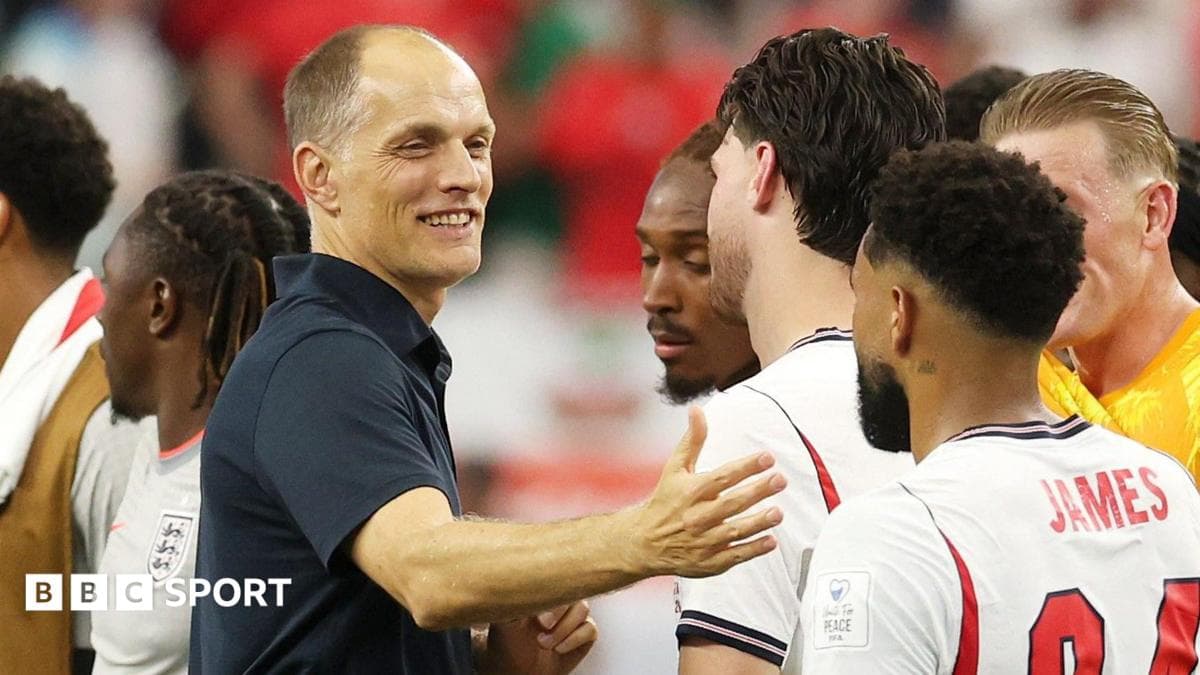
England starts World Cup with a thrilling 4-2 win over Croatia

Archaeologists discover an older version of Stonehenge just 3 miles away!
Researchers reveal ChatGPT can generate sexualized and violent images; OpenAI responds with safeguards.

Iran confirms electronic signing of MoU with the US, suspending military operations.
See every story in News — including breaking news and analysis.
Republican senator Lindsey Graham, one of Trump’s most vocal congressional allies, said in the immediate aftermath of the deal’s announcement he was “somewhat concerned that Iran’s view of the agreement seems different than what the American negotiating team is claiming”.
On Wednesday, Graham seemed to take a less skeptical view of the memorandum of understanding (MOU) following a “very lengthy and productive” conversation with US special envoy Steve Witkoff.
“After this discussion, it is my opinion that signing the MOU will be beneficial to the United States, in as much as the strait of Hormuz will begin to open, and the hostilities with Iran will stop,” Graham wrote on social media.
“Whether or not the United States can reach an acceptable, verifiable deal with Iran regarding its nuclear program and other issues is yet to be determined, but I see little downside to trying.”
Vice-president JD Vance, who has maintained a complicated but publicly supportive stance on the war, responded to the post by thanking Graham for his statement.
Republican senator Thom Tillis said it was “concerning” that the Trump administration is considering a $300bn fund for Iran as part of the agreement.
“I’m hearing a $300bn number and that’s concerning to me, so I just need the details,” Tillis told MS Now reporters Wednesday. “I also need to know the methodology. I’m not interested in just an agreement that gets us through two and a half years, which is how much longer this administration lasts.”
The MOU, due to be formally unveiled later this week at a ceremony in Switzerland, gives both sides 60 days to negotiate a comprehensive final agreement.
The conflict with Iran has cost thousands of lives and devastated the world economy, prompting a handful of Republicans to break with Trump on the issue. Earlier this month, the House of Representatives voted 215 to 208 in favor of the war powers resolution, as four Republicans voted with Democrats to curb Trump’s authority in Iran.
Trump defended his ceasefire deal on Wednesday at the G7 summit, further promising that if Iran misbehaved he would “go back to dropping bombs right smack in the middle of their head”.