
Americanswers… on 5 Live! Why did Trump walk out of his TV interview with Meet The Press?
Trump's Walkout from Meet The Press: What Happened?
BBC News1 min read

Three cases of meningitis B have been confirmed in Dorset, England, prompting vaccination offers for young people. The affected individuals are recovering, and close contacts are receiving antibiotics.
Mentioned in this story
Three cases of meningitis B have been confirmed in the south-west of England, according to the UK Health Security Agency (UKHSA), as young people in the area have been offered vaccinations against the disease.
The cases, which have all been confirmed to have occurred between the 20 March and 15 April in Dorset, have been treated. Those affected are said to be recovering well, according to the UKHSA.
Two of the cases were in students at Budmouth academy in Dorset who are contacts of each other, while the other young person attends Wey Valley academy.
However, no link has been made between these cases, which may suggest this particular strain of MenB bacteria could be transmitting more widely among young people in the area.
As a precaution, close contacts of the confirmed cases have been offered antibiotics, while further antibiotics, alongside the MenB vaccination, are being offered to all secondary school students across the Weymouth, Portland and Chickerell areas of Dorset.
Meningococcal disease, commonly known as meningitis, is an infection of the protective lining of the brain and spinal cord caused by different bacteria and viruses. Meningitis B, known as MenB, is the most common bacterial form of the disease. About 300 to 400 cases of meningococcal disease are diagnosed in England every year, although outbreaks are rare.
In March, two students died in a meningitis outbreak in Kent, with there being a confirmed 21 cases having occurred in the county. The cases of meningitis found in Dorset are also not linked to the outbreak in Kent.
Dr Beth Smout, the UKHSA deputy director, said: “We are working closely with partners to follow up and offer precautionary antibiotics to close contacts of the cases. However, meningococcal disease does not spread easily, and outbreaks like we have seen recently in Kent are rare.
“These cases are not linked to the Kent outbreak, and it is important to be aware that this outbreak is not on the same scale as we saw in Kent in terms of speed of transmission or severity.”
She added: “Meningococcal disease can progress rapidly, so it’s essential that everyone is alert to the signs and symptoms of meningococcal meningitis and septicaemia, which can include a fever, headache, rapid breathing, drowsiness, shivering, vomiting and cold hands and feet.”
The meningitis outbreak in Kent has previously been described by experts as the quickest-growing spread they had ever seen.
Symptoms of meningitis B can include fever, headache, stiff neck, and sensitivity to light, among others.
Meningitis B can be transmitted through respiratory droplets, close contact, and sharing personal items, making young people particularly vulnerable in communal settings.
Students in Dorset are being offered the MenB vaccination alongside antibiotics as a precaution against the confirmed cases.
Trump's Walkout from Meet The Press: What Happened?

Gordon S Wood, a Pulitzer Prize-winning historian, died at 92 after being struck by a car in a Rhode Island supermarket parking lot. He was known for his influential work on the American Revolution.

A powerful 7.8-magnitude earthquake has hit the southern Philippines, causing significant casualties and damage.

Zelenskyy warns UK councils against removing Ukrainian flags, stressing the need for strong ties.
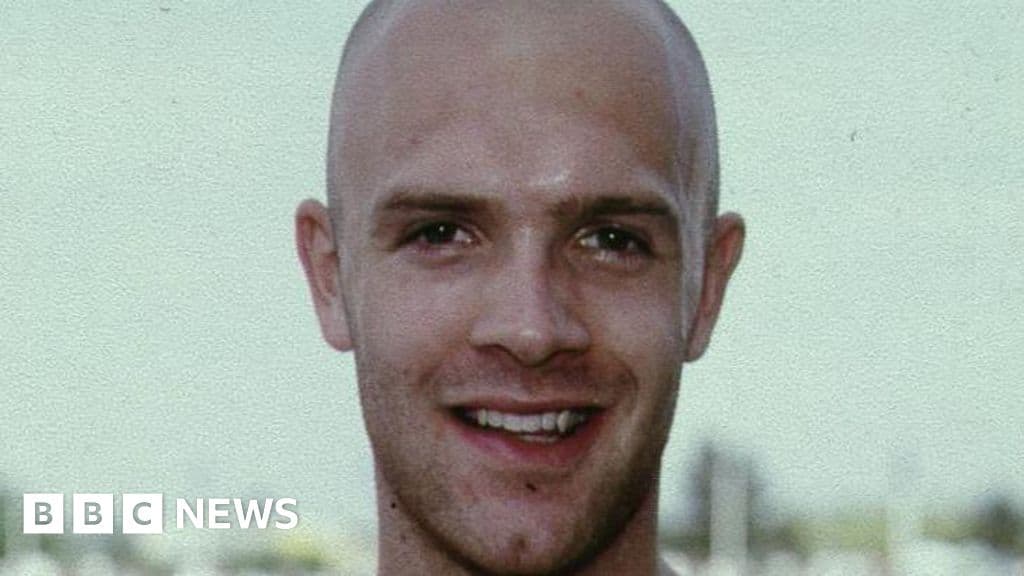
Ex-Olympian Curtis Robb's wife feared for her life amid abuse claims.

NATO jets have shot down a drone over Latvia, escalating fears of spillover from the Ukraine conflict.
See every story in News — including breaking news and analysis.