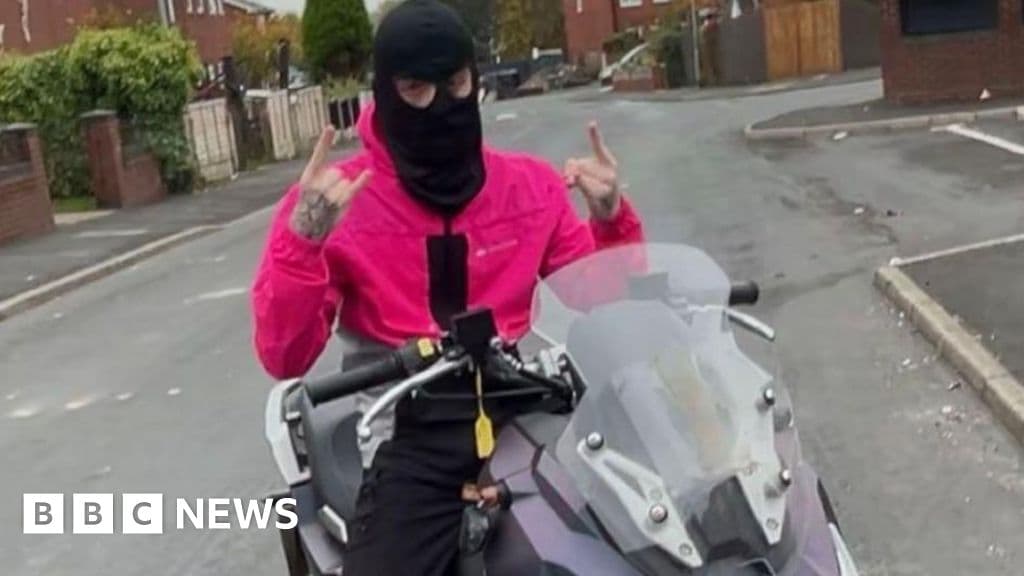
'Untouchable' teen motorbike thieves mocking victims on TikTok
Teenagers are mocking motorcycle theft victims on TikTok, showcasing stolen bikes.
BBC News1 min read

A survey by King’s College London reveals that one in three university students in Great Britain believe AI job losses could lead to civil unrest. The poll shows students are heavy AI users, with over half fearing job losses will exceed those in a typical recession.
One in three university students think AI will wipe out jobs so rapidly it will trigger civil unrest, according to a survey by King’s College London (KCL).
Students are among the heaviest users of AI, the poll found, with 77% using it at least a few times a month – compared with 46% of workers – and 27% using it daily or almost daily.
They are also among the most pessimistic about AI’s economic impact. More than half said they were convinced job losses would be worse than in a normal recession.
The findings are the first from a major new tracker of attitudes to AI by the King’s Institute for Artificial Intelligence and the KCL Policy Institute.
It compares findings from four groups – 1,000 university students and 1,000 young people aged 16 to 29 in England, Wales and Scotland, and 500 employers and 2,000 members of the public UK-wide.
While 22% of the public believe AI will eliminate jobs fast enough to cause civil unrest, that proportion goes up to 34% among university students.
Despite their fears about AI’s impact on jobs, university students – particularly male students – appear more positive about AI than the general public.
While 48% of the public would prefer to avoid AI, 41% are scared of it and only 24% think it is positive for humanity. Among male students, 52% said they believed it was a positive thing for humanity.
Male university students were also the most confident of the groups polled that AI was improving their ability to think for themselves. Female university students were most likely to think the opposite.
The poll also flagged some of the difficulties university students have come across with AI. Nine out of 10 said they had encountered problems – most commonly factual errors (37%) and made-up sources (31%) – but fewer than half said they usually or always checked AI output before using it.
Despite the dramatic growth of AI, 78% of the students who took part in the survey said they would still choose to go to university, though 30% would have chosen a different subject.
There also appears to be a gap in how young people are being prepared for their working lives. While 60% said they believed universities were capable of readying them for an “AI-shaped job market”, only 36% said they were actually being prepared.
The director of the KCL Policy Institute, Bobby Duffy, said: “The public, workers, young people and university students are watching the rapid development of AI with more fear than excitement, with real concern for what it will do to jobs, particularly at entry levels, and, therefore, the prospects for our young people and the economy in general.”
Bouke Klein Teeselink, a lecturer in philosophy, politics, and economics at KCL, struck a more positive note. “With the right training, policies and institutional support, there is a clear path forward to a more hopeful future, with rising productivity, broader opportunity, higher incomes and faster scientific progress,” he said.
One in three university students, or approximately 33%, believe AI job losses will trigger civil unrest.
77% of university students use AI at least a few times a month, compared to 46% of workers.
More than half of the students surveyed are convinced that job losses due to AI will be worse than during a normal recession.
Teenagers are mocking motorcycle theft victims on TikTok, showcasing stolen bikes.

A wildfire on Santa Rosa Island has scorched over 10,000 acres, linked to a sailor's distress flares.

Arsenal inches closer to Premier League glory after a narrow win over Burnley; title could be theirs soon!

US suspends joint defense effort with Canada, citing unmet obligations

Key Insights on Oregon's Packed Governor Primary Elections
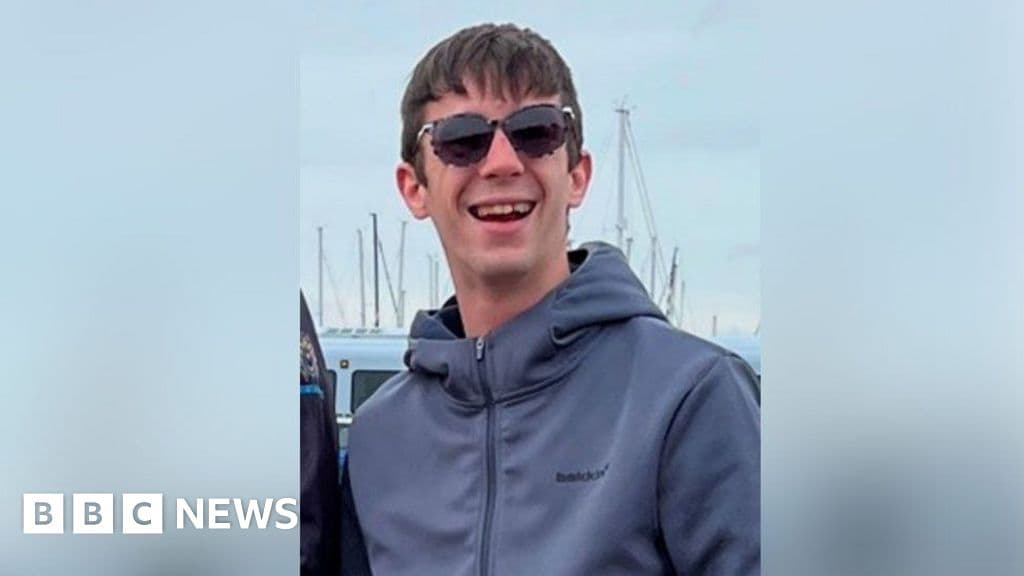
Hayden Davies, a former British soldier, feels abandoned in a Russian prison after being sentenced to 15 years.
See every story in News — including breaking news and analysis.