
What you need to know about the preliminary U.S.-Iran agreement signed by Trump
Key details on the U.S.-Iran agreement signed by Trump and the postponed peace talks.
NPR Topics: News1 min read

Wisconsin swing voters believe Trump's war in Iran was a costly mistake. Focus groups reveal a shift in sentiment among voters who previously supported both Biden and Trump.

Vessels are anchored along the Strait of Hormuz. Amirhossein Khorgooei/ISNA/AFP via Getty Images
Amirhossein Khorgooei/ISNA/AFP via Getty Images
The war in Iran was a costly blunder, according to swing voters in the battleground state of Wisconsin.
NPR observed two online focus groups on Tuesday featuring voters who supported Joe Biden in 2020 and then Donald Trump in 2024.
President Trump had just announced a framework agreement to end the war, which he signed on Wednesday.
Yet among the focus groups' 13 participants, no one said they thought the conflict with Iran was "worth it," and nine said they felt that the U.S. is coming out of this conflict weaker than before.
Corey M., a 33-year-old independent voter, said he is concerned that the U.S. expended "so much financially and so much of our arsenal," with little to show for it. (All participants agreed to be part of the focus groups on the condition that they be identified by their first name and last initial only.)
"We essentially got nothing out of it," he said. "It's hurt our economy and increased expenses for the everyday American, and it accomplished the square root of nothing."
Focus groups are not scientifically significant like polling. But they provide insight into how Americans are thinking about what they see in the news.

Wisconsin swing voters view Trump's war in Iran as a costly blunder.
The focus groups included voters who supported Biden in 2020 and Trump in 2024, highlighting their concerns about the war in Iran.
The perception of the war as a mistake may negatively affect Trump's support among swing voters in Wisconsin.
Wisconsin swing voters are crucial as they can influence the outcome of elections, especially with their mixed support for Biden and Trump.
Key details on the U.S.-Iran agreement signed by Trump and the postponed peace talks.
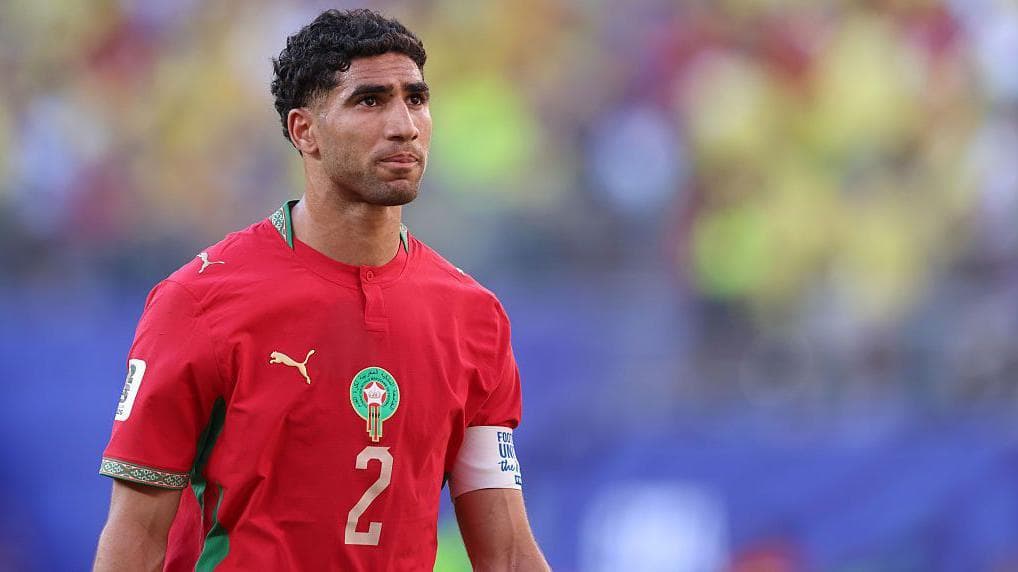
Morocco captain Achraf Hakimi will face trial for rape allegations in February 2026.
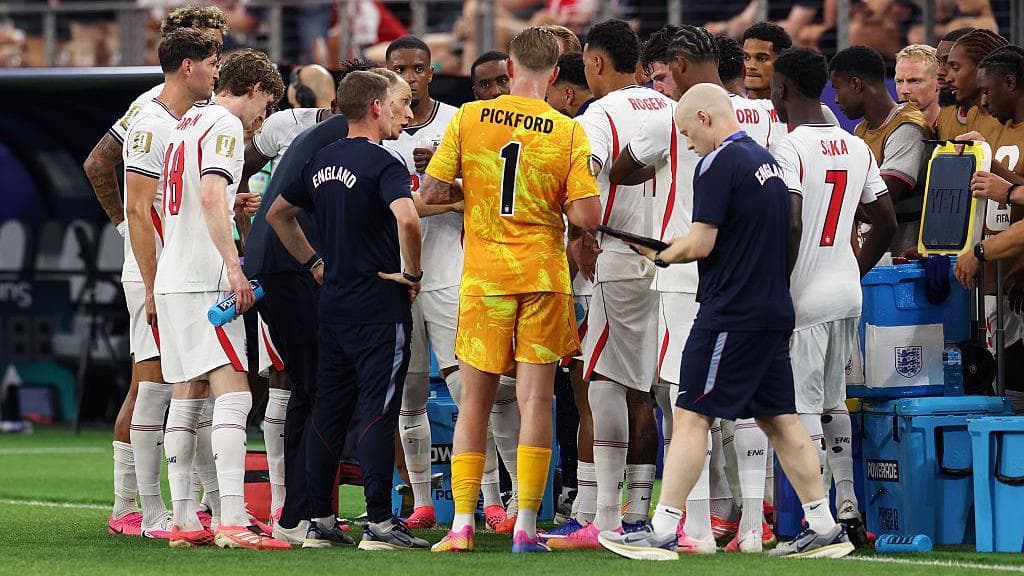
Are hydration break ads here to stay at the World Cup? Fans face extra ads totaling over 7 hours.

US-Iran peace deal hangs by a thread as Israel bombs Lebanon, killing 18.

Veteran James Brown saves fellow truck driver, honored as 'angel' of highways

In a surprising turn, Scottish Conservatives take Aberdeen South from SNP.
See every story in News — including breaking news and analysis.
These focus groups — made up of 10 self-described independents, two Democrats and one Republican — were conducted by messaging and market research firms Engagious and Sago as part of the Swing Voter Project. NPR is a partner on the project.
Rich Thau, president of Engagious, moderated the focus groups. He has been asking voters in key states about this conflict since March. And he said voters have been consistent.
"They were never on board," Thau said. "Not the beginning. Not in the middle. And as we just learned, not at the end either, judging from what we heard from Wisconsin swing voters."
Sam M., a 30-year-old independent, said from what he read about the deal, it wasn't leaving the U.S. in a better position than before the war. In fact, he said he thought the Iran nuclear deal brokered by the Obama administration — which Trump backed out of — was a better deal for the United States.
For most voters, though, their biggest concern has remained the high gas prices that are a consequence of the war.
Tammy S., a 53-year-old independent voter, said Americans have been unfairly caught in the middle.
"I just don't think the way that everybody else had to suffer through the tantrums of these two playing tug-of-war — I just don't think that it was fair to the American people," she said. "I don't think that anybody was a real winner here."
Several voters said they've felt squeezed by costs and as a result have given up something that had been a regular part of their life. They've cut vacations and eating out or are getting their hair done less often.
"I've given up all my extracurricular hobbies … paddleboarding, yoga," said Jaylyn M., a 27-year-old who identifies as a Republican. "And then a lot of my subscriptions I've cut out, along with my daily coffee, which is minor, but all things that I've had to give up to make ends meet."
"I had to raise all my deductibles on everything — my car insurance, my health insurance — to lower my premiums, so that I can continue to make it," added Robyn T., a 63-year-old independent.
The latest NPR/PBS News/Marist poll, out Thursday, finds that only a third of Americans approve of how Trump is handling the economy.
In the focus groups, nine of the 13 voters said they are more anxious about the economy than they were before Trump took office last year. And all but one voter said that "President Trump himself is responsible for those higher prices" because of the war.
"And 10 said he's out of touch with their economic concerns," Thau told NPR. "So for them, there's a clear disconnect between how the president's operating on the economy and what their needs are."
And heading into what could be some tough midterm elections for Republicans, voters are really frustrated that Trump isn't delivering a better economy by now.
"It seems to me, like, pick your issue, and things are not going well for him," said Josh K., a 29-year-old independent voter. "I mean, we got this stupid war in Iran, and it turns out that we actually aren't getting anything out of it. I mean, all we got was $4 gas. I mean, pick your issue — the economy, things are more expensive."
