
Married at First Sight UK brides tell BBC they were raped by on-screen husbands
Married at First Sight UK brides allege they were raped by husbands during filming
BBC News1 min read

The U.S. Supreme Court has decided not to address a legal challenge regarding the enforcement of the Voting Rights Act, sending cases from Mississippi and North Dakota back to lower courts for further consideration.

A demonstrator holds a sign saying "PROTECT MINORITY VOTING RIGHTS" at a March 2025 rally outside the U.S. Supreme Court in Washington, D.C. Jemal Countess/Getty Images for Legal Defense Fund
Jemal Countess/Getty Images for Legal Defense Fund
Weeks after further weakening the Voting Rights Act, the U.S. Supreme Court sidestepped weighing in on a legal question that could severely limit enforcement of the law's remaining protections for minority voters.
In a brief, unsigned order on Monday, the high court announced it is sending cases about Mississippi and North Dakota state legislative maps back to lower courts to be reconsidered in light of its recent ruling in Louisiana v. Callais.
The Supreme Court chose not to take up a legal challenge on Voting Rights Act enforcement and sent cases back to lower courts.
The decision could limit the enforcement of the Voting Rights Act's protections for minority voters, following recent rulings that weakened the Act.
The Supreme Court is sending cases concerning state legislative maps from Mississippi and North Dakota back to lower courts for reconsideration.
The recent ruling in *Louisiana v. Callais* prompted the Supreme Court to send the Mississippi and North Dakota cases back for further review.
Married at First Sight UK brides allege they were raped by husbands during filming
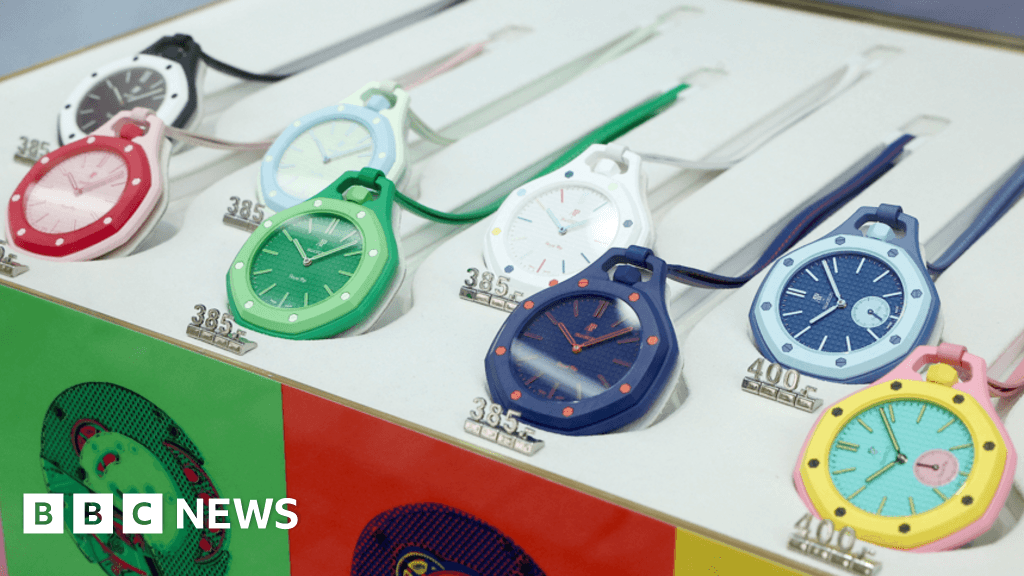
Swatch's Royal Pop watch launch creates chaos worldwide with huge crowds and store closures.
Police are looking for Theresa Foley, accused of stalking Yungblud after breaching a protection order.

Tata Electronics and ASML team up to build India's first semiconductor fabrication plant.

Rachel Reeves is set to cancel a planned fuel duty rise to help ease cost of living pressures. Announcement expected Thursday.
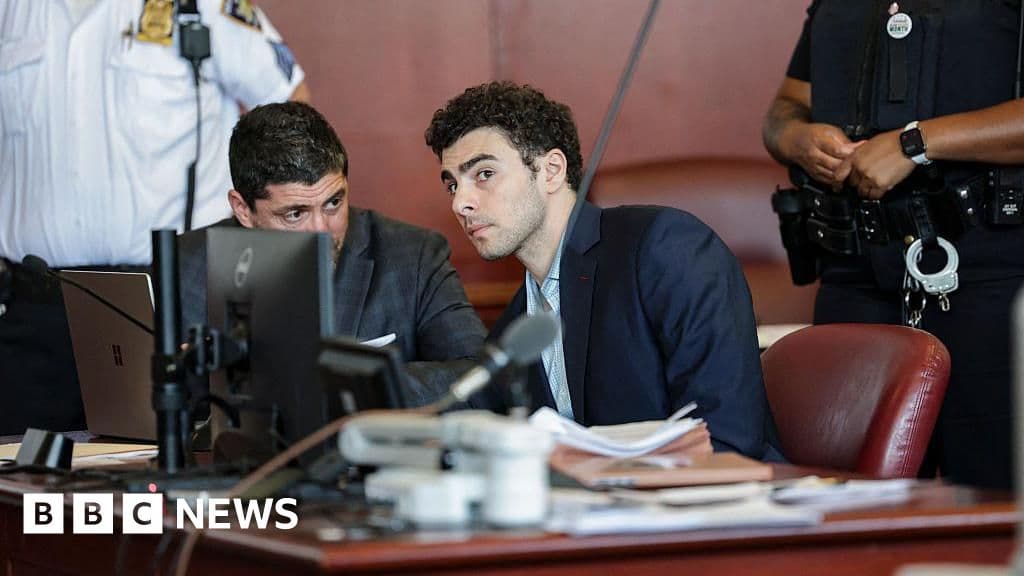
Judge rules gun and writings admissible in Luigi Mangione's murder trial
See every story in News — including breaking news and analysis.
That landmark decision in April weakened the Voting Rights Act's protections against racial discrimination in redistricting and as a result reignited the congressional gerrymandering battle sparked by President Trump ahead of the 2026 midterm election to help Republicans keep control of the House of Representatives.
Monday's move by the court effectively allows the justices to take an off-ramp from hearing what could have been the next major Supreme Court fight over the landmark 1965 law.
What's known as Section 2 of the Voting Rights Act has been mainly enforced as a result of lawsuits by voters and advocacy groups, who have brought hundreds of challenges to maps of voting districts and other election-related procedures.
But in the Mississippi and North Dakota redistricting cases, Republican officials have raised a novel argument — that private individuals and groups do not have a right to sue under Section 2, and only the U.S. attorney general does.
Such an interpretation would lead to far fewer Section 2 lawsuits, legal experts say.
The Supreme Court's decision not to take up the question of what the legal world refers to as a "private right of action" under Section 2 drew pushback from liberal Justice Ketanji Brown Jackson.
In dissents from Monday's order, Jackson pointed out the high court's ruling in the Callais case did not address the legal question of Section 2's enforceability by private individuals and groups.
"Thus I see no basis for vacating the lower court's judgment," Jackson said, criticizing the move to throw out earlier lower court rulings in both the Mississippi and North Dakota cases.
Still, while those cases now make their way back down the federal court system, the future enforcement of another section of the Voting Rights Act is also under question.
Section 208 generally allows voters who need help to vote because of a disability or inability to read or write to get assistance from a person of their choice. But in a case challenging an Arkansas law, a panel of the 8th U.S. Circuit Court of Appeals has found that private groups and individuals cannot sue to enforce Section 208.
That federal appeals court also ruled against a private right of action under Section 2 in the North Dakota legislative redistricting case.
In an opinion dissenting from the 8th Circuit's decision not to review the panel's decision in the Arkansas case, Chief Judge Steven Colloton, a nominee of former President George W. Bush, wrote the 8th Circuit continues on a "regrettable path of rendering unenforceable, in this circuit alone, the voting rights law that many have considered 'the most successful civil rights statute in the history of the Nation.' "
A Supreme Court brief on the Arkansas case is due Monday as the justices prepare to decide, at some point, whether to take it up.
Edited by Benjamin Swasey

