TL;DR
The MV Hondius cruise ship, hit by hantavirus, is nearing Tenerife after a passenger's death. Preparations are underway for the safe repatriation of over 100 people while enforcing a security perimeter around the ship.
Almost a month after the first passenger died of the hantavirus on board the MV Hondius cruise ship, it is finally approaching Tenerife in the Canary Islands.
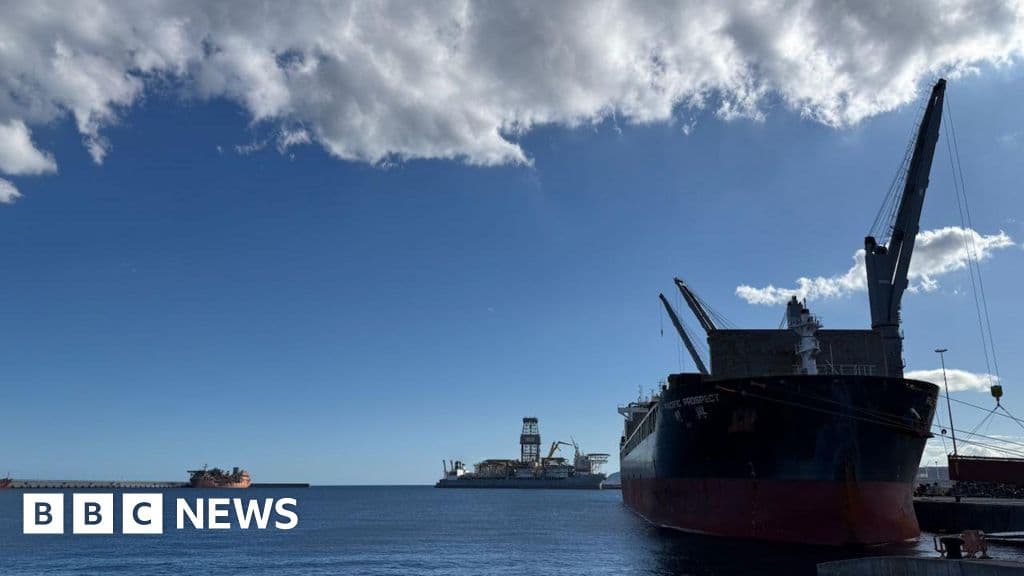
Intensive preparations have been under way to receive the ship in the port of Granadilla and help more than 100 people onto shore to be repatriated.
The Hondius is expected to arrive in the area before dawn but even now it won't be permitted to reach shore: a security perimeter of one nautical mile will be enforced around the ship as it approaches the island.
Once in the port, it will drop anchor at sea to ensure its continuing isolation.
The complex operation to prevent the rare Andes strain of this virus spreading is described by Spain's health minister as "unprecedented".
Involving 23 countries, it has been meticulously planned for maximum safety and to answer the concerns of disgruntled locals. They include the president of the Canary Islands, who says he "won't be calm" until all the passengers and crew have left.
"The risk of contagion for the general population is low," health minister Mónica García repeated on Saturday.
"We believe that alarmism, misinformation and confusion are contrary to the basic principles of preserving public health."
Security measures in the port, an industrial facility in the south of Tenerife, increased notably on Saturday. Spain's military police and disaster response teams have both set up large reception tents and access to the waterfront is restricted.
Once the Hondius has been manoeuvred into place, by around 07:00 (06:00 GMT) on Sunday, medical teams will board to check everyone for signs of the virus. Latest reports say nobody else is showing symptoms.
People will then be divided into groups by nationality and ferried to the coast in small boats. By then, charter planes should be on the tarmac at the local airport, ready to repatriate them.
Earlier on Saturday, the interior minister said the UK, US and multiple EU member states were all sending planes. Medically-equipped aircraft will be on standby, too, should anyone need to be taken into isolation.
Otherwise, the Spanish nationals will be flown to Madrid, where they face a mandatory quarantine in the Gomez Ulla military hospital. Complete isolation would be gruelling - the virus has an incubation period of up to nine weeks - and it is not clear how long people in Spain or elsewhere will be quarantined.
The head of the World Health Organization (WHO) Tedros Adhanom Ghebreyesus, now in Tenerife to oversee the disembarking, has praised the authorities for their "solid and effective response" to this outbreak.
It has been linked to a landfill site in the southernmost tip of Argentina, popular with birdwatchers. The virus is carried there by rodents, and it's rare for it to pass between people, but three cruise passengers have died.
So the WHO boss has urged nervous Spaniards to trust those in charge of the evacuation.