
Trump names Jay Clayton to serve as director of national intelligence
Trump names Jay Clayton as his pick for Director of National Intelligence
NPR Topics: News1 min read

Taylor Swift has filed trademark applications for her voice and image to protect against AI misuse. The trademarks include sound phrases and a specific photograph from her Eras Tour.
Mentioned in this story
Taylor Swift has filed applications to trademark her voice and image in a move seemingly designed to protect against AI misuse.
On 24 April, Swift’s company TAS Rights Management filed three trademark applications, Variety reports. Two of these are sound trademarks which cover Swift saying the phrases “Hey, it’s Taylor Swift” and “Hey, it’s Taylor.”
The third application seeks to trademark the well-known shot of Swift on stage during her Eras Tour, describing “a photograph of Taylor Swift holding a pink guitar, with a black strap and wearing a multi-colored iridescent bodysuit with silver boots. She is standing on a pink stage in front of a multi-colored microphone with purple lights in the background.”
The move comes after Matthew McConaughey trademarked his famous “All right, all right, all right” catchphrase from 1993’s Dazed and Confused in addition to other unauthorized uses of his image and voice this January.
“My team and I want to know that when my voice or likeness is ever used, it’s because I approved and signed off on it,” McConaughey said in a statement. “We want to create a clear perimeter around ownership with consent and attribution the norm in an AI world.”
Swift’s likeness has been used in many AI images and deepfakes, including fake AI-created sexually explicit images. In 2024, Donald Trump posted numerous AI images to Truth Social that falsely showed Swift endorsing him for president. The Guardian has approached a representative for Swift for comment.
“Attempting to register a celebrity’s spoken voice is a new use of trademark registration that has not been tested in court before,” said the intellectual property attorney Josh Gerben in a .
Taylor Swift filed trademarks for her voice, including specific phrases, and a photograph of her during the Eras Tour.
Swift's trademark applications aim to protect her voice and image from unauthorized use in an increasingly AI-driven landscape.
Matthew McConaughey's recent trademark of his catchphrase highlights a trend among celebrities to secure rights over their likeness and voice amid concerns over AI misuse.
Trump names Jay Clayton as his pick for Director of National Intelligence

Exploring the Amal Movement, Lebanon's key Shia political party.

US authorities probe massive '8647' etching on National Mall grounds

John Healey resigns as UK defence secretary amid funding crisis and strategic uncertainty.
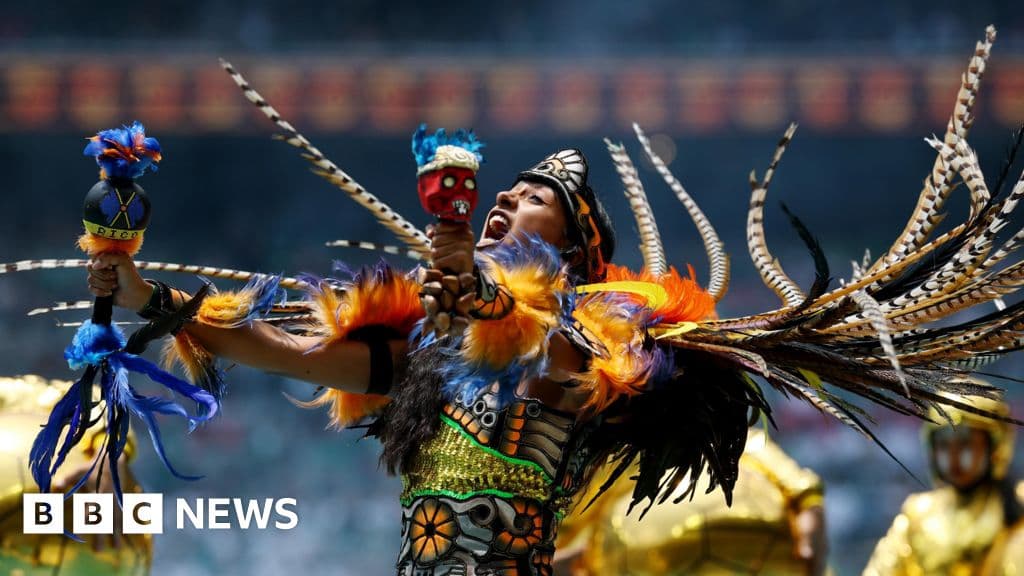
The 2026 World Cup kicks off in Mexico City with Shakira and vibrant fans!

Real Madrid appoints Jose Mourinho as manager on three-year deal, starting July 13.
See every story in News — including breaking news and analysis.
“Historically, singers relied on copyright law to protect their recorded music,” he added. “But AI technologies now allow users to generate entirely new content that mimics an artist’s voice without copying an existing recording, creating a gap that trademarks may help fill.
“By registering specific phrases tied to her voice, Swift could potentially challenge not only identical reproductions, but also imitations that are ‘confusingly similar’, a key standard in trademark law.”
Swift owns more than 50 trademarks related to her name and album titles as well as key song lyrics. In 2014, she registered trademarks for “This sick beat” and “We never go out of style”, phrases that appear in her hit songs Shake It Off and Style.
In 2024 she trademarked Female Rage: The Musical, referring to an Eras Tour segment in which she performed songs from her album The Tortured Poets Department.