
Streeting calls for equal tax on income and capital gains in Labour leadership pitch
Wes Streeting calls for equal tax rates on income and capital gains in Labour leadership bid.
The Guardian World1 min read

Taiwan's President William Lai expressed willingness to speak with US President Donald Trump, potentially breaking decades of diplomatic protocol. This conversation could provoke China's anger amid ongoing tensions over Taiwan's status.
Mentioned in this story
Taiwan’s President William Lai Ching-te has said he would be “happy” to talk to United States President Donald Trump – a conversation that would break more than four decades of diplomatic protocol and risk angering China.
Trump told reporters on Wednesday that he would speak to Lai, as the White House weighed a massive arms package sale to the democratic island. It was the second time since a summit in Beijing last week that Trump has said he would call the Taiwanese leader.
US and Taiwanese presidents have not spoken directly since Washington shifted diplomatic recognition to Beijing from Taipei in 1979. China claims Taiwan as part of its territory and has never renounced the use of force to bring Taiwan under its control.
On Wednesday, Trump reiterated he would speak to Lai, dispelling initial speculation that his mention of Lai after his Beijing summit with Chinese President Xi Jinping was a verbal slip.
President Lai said on Thursday that Taiwan was “committed to maintaining the stable status quo in the Taiwan Strait” and that “China is the disruptor of peace and stability”, the island’s Ministry of Foreign Affairs said in a statement.
Lai would be “happy to discuss these matters with President Trump”, the statement said.
“I’ll speak to him. I speak to everybody,” Trump said, adding that he had a great meeting with Chinese President Xi Jinping during his state visit to Beijing last week. “We’ll work on that, the Taiwan problem,” Trump said.
After wrapping up his trip to Beijing, Trump suggested arms sales to Taiwan could be used as a bargaining chip with China, as the US weighed whether to approve a new arms sales package for the island, which could be worth some $14bn.
The US is bound by the 1979 Taiwan Relations Act to provide Taiwan with the means to defend itself, despite a lack of formal diplomatic ties.
Lai’s government has been on the offensive of late, insisting that US policy on Taiwan has not changed and that Trump made no commitments to China on arms sales to the island.
“Given that US policy toward Taiwan remains unchanged, I think we remain cautiously optimistic about arms purchases,” Taiwan Defence Minister Wellington Koo said.
Taiwan relies heavily on US support to deter any potential Chinese attack. It has been under intense pressure to increase its spending through investment in US firms.
In 2016, shortly after his first election victory, president-elect Trump accepted a phone call from then-Taiwanese President Tsai Ing-wen, angering Beijing, shocking diplomats, world leaders and China experts.
Taiwan's President Lai stated he would be 'happy' to talk with US President Donald Trump, marking a significant diplomatic shift.
A conversation between Lai and Trump could escalate tensions with China, which views Taiwan as part of its territory and opposes direct talks between Taiwanese and US leaders.
The last direct conversation between US and Taiwanese presidents occurred before 1979, when the US shifted diplomatic recognition from Taipei to Beijing.
Wes Streeting calls for equal tax rates on income and capital gains in Labour leadership bid.

Mohamed Salah announced as Egypt's captain for FIFA World Cup 2026

Rachel Reeves stands firm against heckler, emphasizes good manners
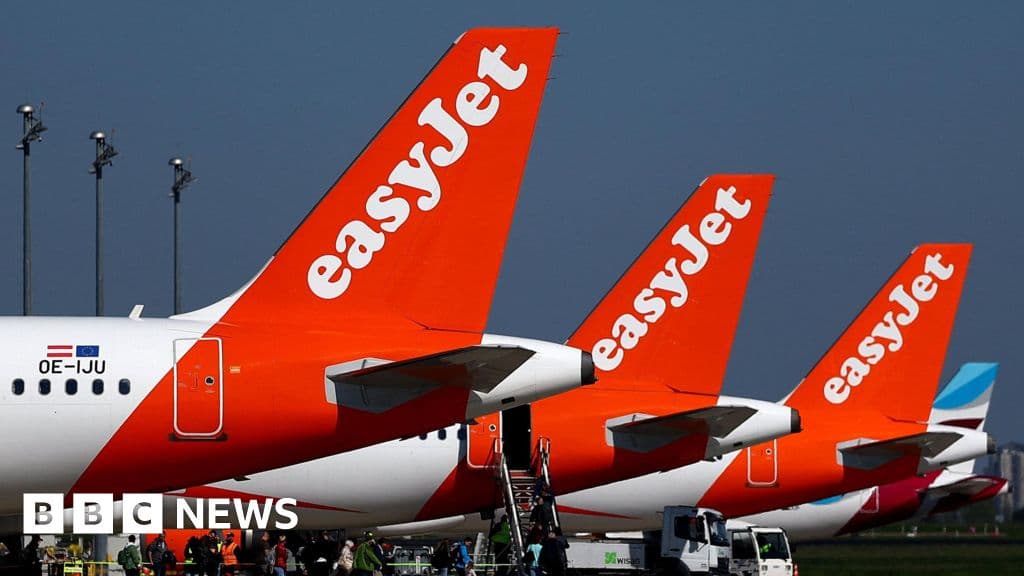
EasyJet's boss says holidaymakers shouldn't panic about jet fuel supplies this summer.

EasyJet sees summer holiday bookings decline due to Iran war concerns.
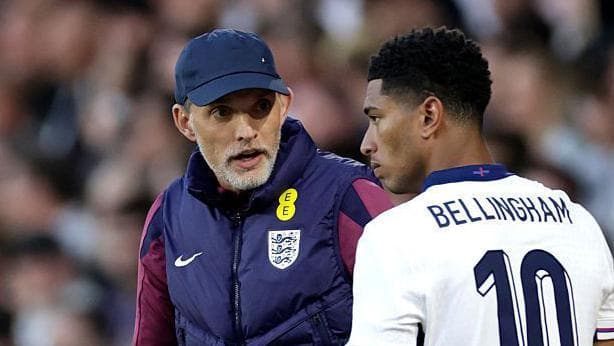
Tuchel faces tough decisions for England's World Cup squad
See every story in News — including breaking news and analysis.