
FDA panel considers a first-of-its-kind flu vaccine using mRNA technology
FDA considers Moderna's mRNA flu vaccine, mFlusiva, for those 50 and older.
The Guardian World1 min read

Taiwan's president hopes for a swift approval of a $14 billion US arms sale, emphasizing the island's rejection of unification with China. The deal is crucial for Taiwan's defense against potential Chinese aggression.
Mentioned in this story
Taiwan’s president has said he hopes the United States approves a $14bn arms sale “as soon as possible”, reiterating that the island “rejects unification” with China.
Taiwan relies heavily on US support to deter any potential Chinese attack, and Washington has put pressure on Taipei to increase its defence spending.
But arms sales also complicate ties between Washington and Beijing. Democratically governed Taiwan is viewed by China as its own territory, and Beijing has stepped up military and diplomatic pressure on the island.
In May, US Secretary of State Marco Rubio said that the $14bn deal was “under review”.
Speaking to the Taiwan Foreign Correspondents’ Club in Taipei on Thursday, Taiwan’s President William Lai Ching-te reiterated his desire for talks based on “parity and respect” with China, but said only the Taiwanese people can decide their future.
“Taiwan’s safeguarding of its own national security and maintaining its democratic and free way of life, its refusal to accept unification, and its refusal to accept rule by the Chinese Communist Party should not be seen as a provocation against China,” he added.
Taiwan said the US’s commitments to Taiwan have not changed, as it is required under domestic law to provide Taiwan with the means to defend itself. A top US military official said last month Washington was pausing its $14bn arms sale to Taiwan to conserve munitions for its war on Iran.
“We will continue to maintain close communication with the US government, and we also hope the arms purchases can be approved as soon as possible,” Lai said.
The Taiwanese president has championed increased defence spending, though last month Taiwan’s parliament only approved two-thirds of the $40bn defence budget Lai had proposed, cutting the part that had been meant for drones and domestically produced weapons.
On Thursday, Taiwan’s defence ministry said it was proposing another special defence package worth $210bn new Taiwan dollars ($6.64bn) for surveillance and small unmanned surface drones.
Lai said China should renounce the use of force and its military activities in the Western Pacific, as Taiwan’s arms purchases send an important message to the world that it is willing to defend itself.
The $14 billion arms sale is vital for Taiwan's defense strategy against potential Chinese attacks and reflects US support for the island.
The arms sale complicates US-China relations by increasing tensions, as China views Taiwan as its territory and opposes US military support to the island.
Taiwan's president is William Lai Ching-te, who advocates for talks with China based on parity and respect while asserting that only the Taiwanese people can determine their future.
FDA considers Moderna's mRNA flu vaccine, mFlusiva, for those 50 and older.

Amber heat warnings issued as southern England braces for heatwave

High-stakes Supreme Court rulings on birthright citizenship and immigration expected today.
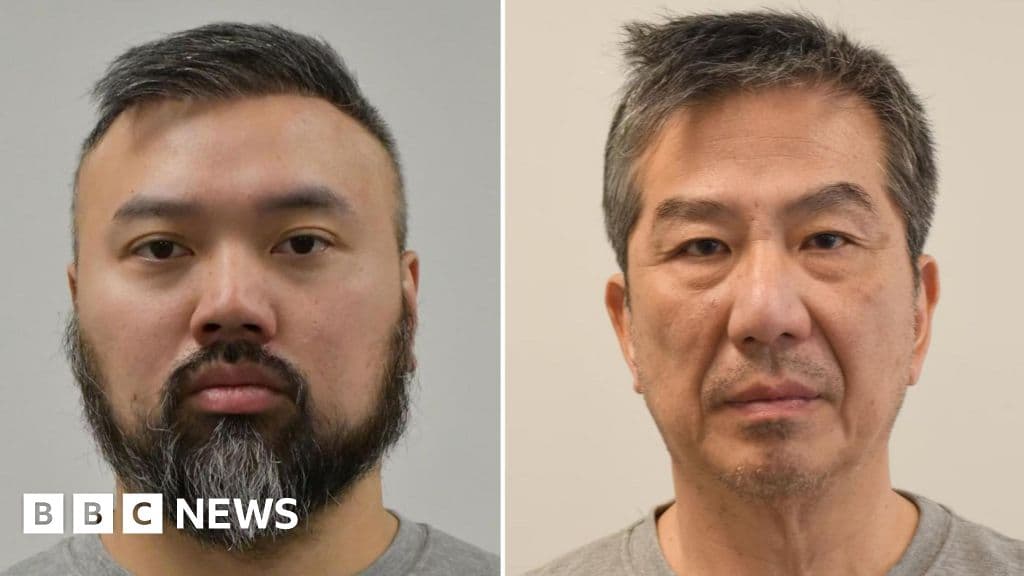
Two men sentenced for assisting Chinese intelligence in the UK, threatening national sovereignty.

Great Britain's major rail operators are now mostly public. Is it working?
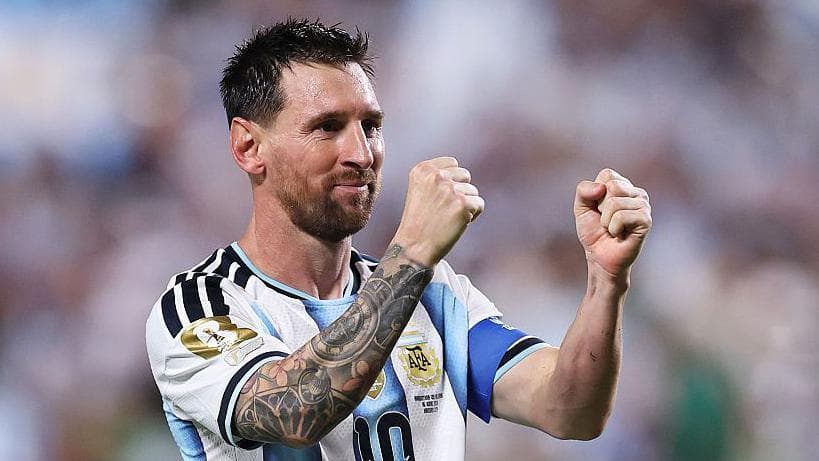
World Cup update: 75 goals scored, 9 draws in 24 matches!
See every story in News — including breaking news and analysis.