
Venezuela’s Delcy Rodriguez heads to The Hague for land dispute case
Delcy Rodriguez travels to The Hague for Venezuela-Guyana land dispute case
Al Jazeera English1 min read

John Swinney plans to collaborate with nationalist leaders in Wales and Northern Ireland to oppose Labour's policies on cost of living and government spending. He anticipates Rhun ap Iorwerth will be appointed first minister of Wales following recent elections.
Mentioned in this story
John Swinney has said he plans to work with the nationalist first ministers in Wales and Northern Ireland in a coordinated opposition to Labour’s policies on the cost of living and UK government spending.
The Scottish National party leader said he had spoken to Michelle O’Neill, the Sinn Féin first minister of Northern Ireland, on Friday night after she had called to congratulate him on his party’s “emphatic” victory in the Holyrood elections.
Swinney, who will be sworn in as Scotland’s first minister next week, said he expected Plaid Cymru’s leader, Rhun ap Iorwerth, to be appointed first minister of Wales after winning the Senedd elections for the first time on Thursday.
He said he “looked forward to making sure our respective countries’ voices are heard loud and clear in the UK”.
O’Neill, who has to work jointly with the Democratic Unionist party in Stormont, so has limits to her authority, had made clear her enthusiasm for all three nationalist-led governments working in concert, Swinney added.
That alliance would take shape against a background of increased political conflict in Holyrood and the Senedd with the arrival of Reform UK, now in second place in both parliaments, as well as Swinney’s efforts to press for a second Scottish independence referendum.
To the shock of other Holyrood leaders, Reform came joint second on Thursday with Scottish Labour, both winning 17 seats. That will give Reform’s Scottish leader, Malcolm Offord, the right to ask the opening questions at first minister’s questions, while Reform could get committee convenership posts.
Swinney said the three leaders were likely to challenge the UK government’s increasing use of the Internal Markets Act, a measure designed to harmonise the UK’s internal trade and business regulations post-Brexit, to impose policies “over the heads” of the three devolved administrations.
He said: “Believe you me, that causes fury in all devolved governments, and perhaps us all working in concert with a shared agenda might get us somewhere on that.”
Swinney also cited the previous campaigns by the Scottish and Welsh Labour governments to lift the two-child benefit cap and said all three parties were very clear about the merits of rejoining the EU to address the UK’s economic decline.
“The UK is in a fundamentally different position and the bit that’s got to catch up with this is Whitehall, and the sooner they do the better,” he said. “I will be pressing for that to be the case.”
John Swinney intends to work with nationalist leaders in Wales and Northern Ireland to coordinate opposition to Labour's policies.
John Swinney is collaborating with Michelle O’Neill, the Sinn Féin first minister of Northern Ireland, and Rhun ap Iorwerth, the leader of Plaid Cymru in Wales.
The recent Holyrood elections in Scotland and the Senedd elections in Wales influenced John Swinney's plans for collaboration.
Michelle O’Neill faces challenges in her role due to the need to work jointly with the Democratic Unionist Party in Stormont, which limits her authority.
Delcy Rodriguez travels to The Hague for Venezuela-Guyana land dispute case

Israeli settlers compel Palestinian family to exhume and rebury father’s body in West Bank.
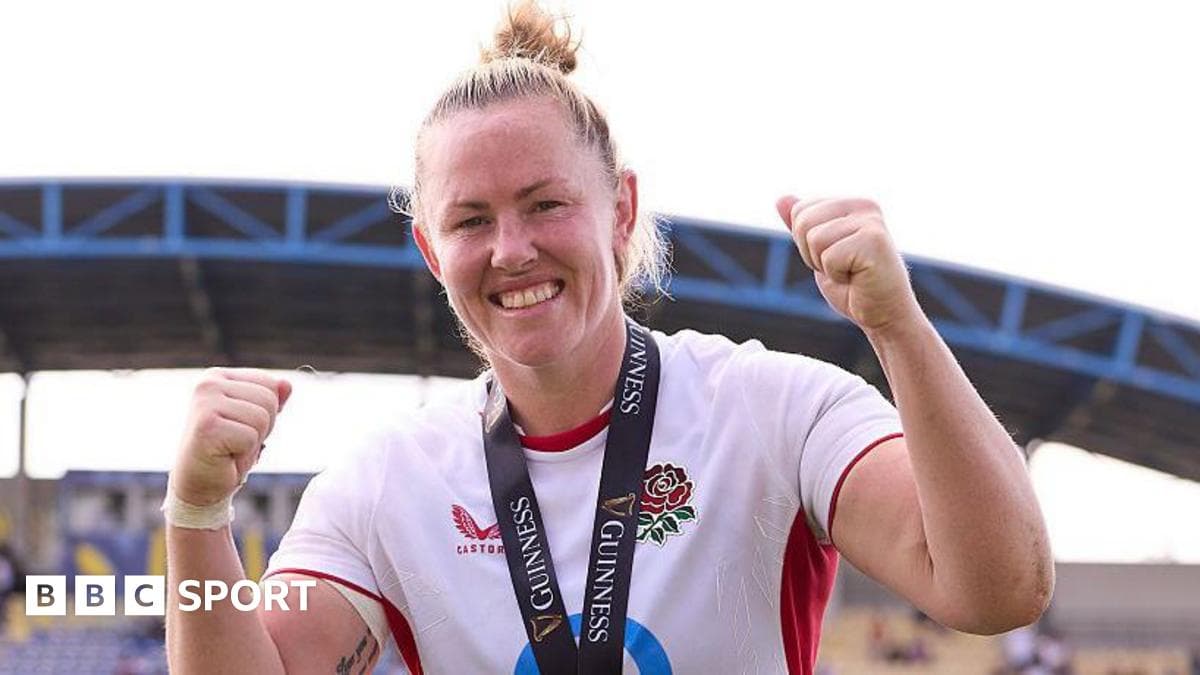
Marlie Packer makes her mark as England prepares for a Grand Slam decider after dominating Italy.

Iran insists on guarantees from FIFA for World Cup participation

Bobby Cox, the iconic manager of the Atlanta Braves, has passed away at 84.

Man City beats Brentford 3-0, closing the gap to Arsenal in the title race.
See every story in News — including breaking news and analysis.
In a victory speech on the steps of the Senedd on Saturday, ap Iorwerth echoed Swinney’s points before his comments were drowned out by the crowd’s impromptu rendition of Mae Hen Wlad Fy Nhadau (the land of my fathers) – the Welsh national anthem – he hailed what he called a “new beginning” for Wales.
Ap Iorwerth said: “It is a new beginning and I have no doubt that when we speak with a national voice that is as determined as we have seen in this election, no UK government, no UK prime minister, now or in the future, can cast Wales aside or turn a blind eye to our needs.”
The Guardian understands from Plaid Cymru sources that the SNP and Sinn Féin have already helped the party prepare for government in Cardiff.
UK government sources have indicated they are unperturbed by the prospects of the three parties collaborating. Speaking before the election, one said that having different parties in different administrations “is in the very nature of democracy” and had been normal since the advent of devolution.
Swinney confirmed he would table a draft bill calling for Holyrood to be given the powers to stage a second independence referendum next week; that document will have no legal force because under the Scotland Act 1998, which set it up, Holyrood has no powers to legislate on constitutional change.
Asked whether he had a mandate to do so given the SNP had failed to achieve the overall majority, Swinney said before the election was the precondition for such a demand, the addition of 14 Scottish Green party MSPs meant Holyrood had its largest ever pro-independence majority.
Even so, Swinney avoided claiming that presented the Scottish government with a cast-iron mandate. Swinney confirmed he also refused to collaborate with Reform next week beyond the basic legally required steps. Offord said that was “arrogant, petty and deeply undemocratic” and contradicted Swinney’s claims he favoured democracy and inclusion.
Speaking in Glasgow with his victorious candidates, Offord claimed his party would bring “a different level of scrutiny” to Holyrood, “especially if the SNP get into some sort of alliance with extremist Greens”.
Asked to define extremist policies, Offord said: “Legalising drugs? Or abolishing prisons? Or having open borders? I think that’s pretty extremist.”
In fact, the Scottish Greens want to decriminalise illegal drug use and do not have a policy of abolishing prisons, although they favour locking up fewer people and focusing on community rehabilitation; nor do they have a policy on open borders but want an end to the hostile environment strategy.