
Trump taps former FEMA director to lead the disaster agency again
Trump nominates Cameron Hamilton to lead FEMA again after a year-long absence.
NPR Topics: News1 min read
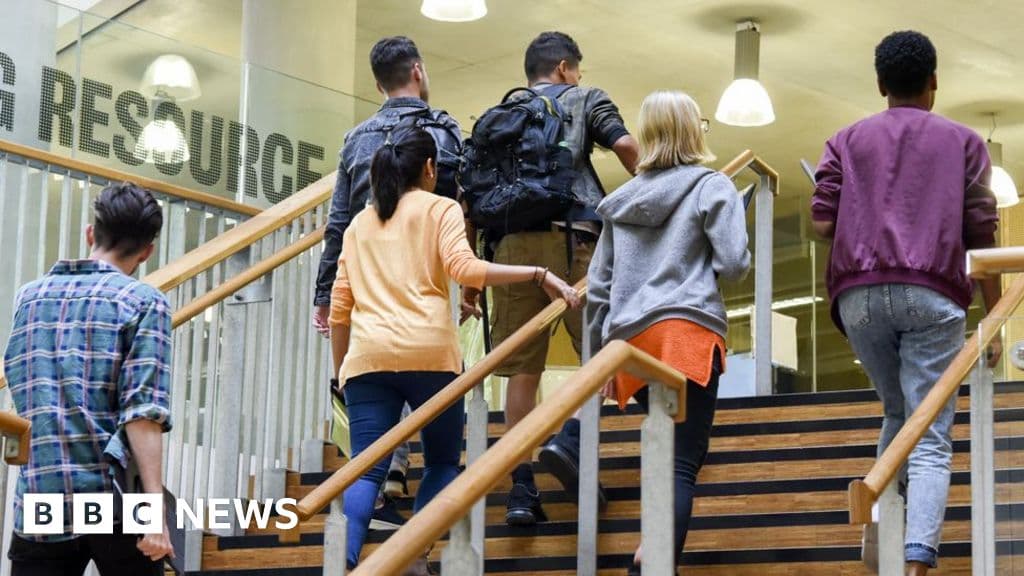
MPs warn that 24 universities in England are at risk of insolvency within a year, urging better government protection for students. The Education Select Committee emphasizes the need for an early warning system to safeguard students' investments in their education.
Mentioned in this story
Students need better government protection if a university in England goes bust and cannot pay its debts, according to MPs.
In a report, the Education Select Committee said 24 institutions are now said to be at risk of insolvency within the next 12 months - with many already making job cuts, closing courses and selling off buildings or land.
Helen Hayes MP, who chairs the committee, said the priority was to protect students "who have invested time, money and energy" into their studies.
A Department for Education (DfE) spokesperson said the government was committed to creating a secure future for universities so they can deliver for students, taxpayers and the economy.
Hayes said: "Developing an early warning system is essential. The government and the Office for Students should be ready to step in when the lights are turning amber, not when they are already flashing red."
The Labour MP for Dulwich and West Norwood said the possibility of a major UK university becoming insolvent was a "real possibility, not a theoretical warning".
The report said a protocol should be developed with costed plans for protecting students and staff, by offering options such as merging with another institution, restructuring or an orderly exit, where the university effectively closes but with arrangements in place for students, staff and courses.
The report said the higher education regulator, the Office for Students, fears 24 providers - including seven with over 3,000 students - are at risk of insolvency and "market exit" in the next 12 months.
A further 26 institutions are at risk of exit within the next two to three years, it said, but some of these are smaller, as only about half of them have more than 3,000 students.
The DfE said it had "taken action to put the sector on a secure financial footing", by raising the maximum cap on tuition fees and refocusing the Office for Students to support universities' financial stability.
"Through our ambitious reforms announced in the post-16 education and skills white paper we will restore universities as engines of growth, aspiration and opportunity."
However, the report said a fee freeze for undergraduates had impacted universities' finances, driving them to increase income from fees for postgraduate and international students.
It said interational students constitute a quarter of all students but pay over 45% of the fee income.
"These fees represent a financial surplus used to cross-subsidise research and domestic teaching," it said.
Hayes added that if the government wants to reduce the number of international students coming to the UK, it must set out how it will stabilise university finances.
Responding to the report, the University and College Union (UCU) said it shows the government is "asleep at the wheel" as universities face a "financial cliff edge".
The report identifies 24 institutions in England that are at risk of insolvency within the next 12 months.
MPs are calling for better government protection and the development of an early warning system to safeguard students if a university goes bust.
Many universities are making job cuts, closing courses, and selling off buildings or land due to financial pressures.
Helen Hayes MP, the chair of the Education Select Committee, is leading the report highlighting the risks to students.
Trump nominates Cameron Hamilton to lead FEMA again after a year-long absence.

Interior Department cancels rule prioritizing conservation on public lands, easing restrictions for industries.
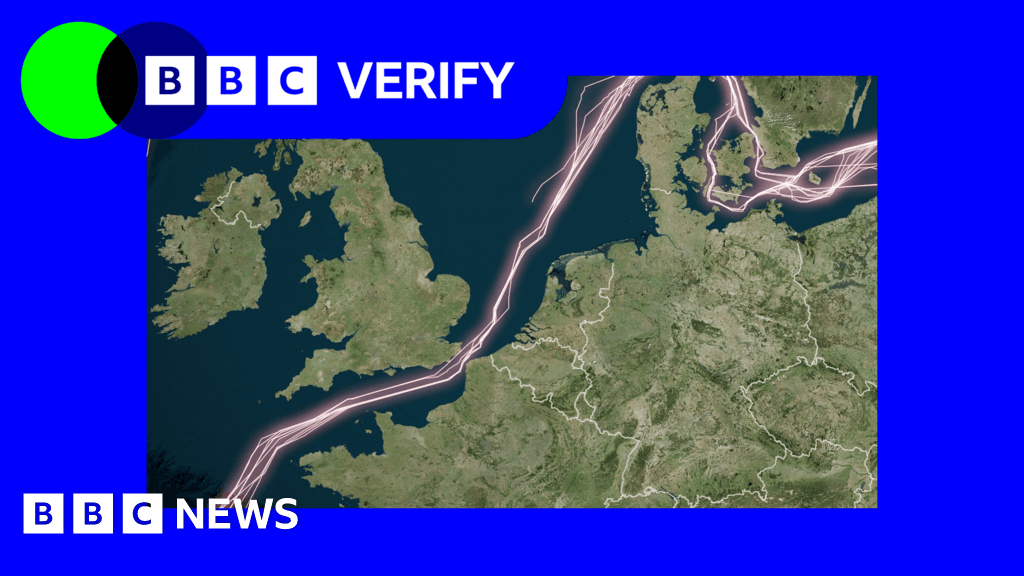
Almost 200 sanctioned Russian ships have entered UK waters since a government warning, with no interceptions reported.
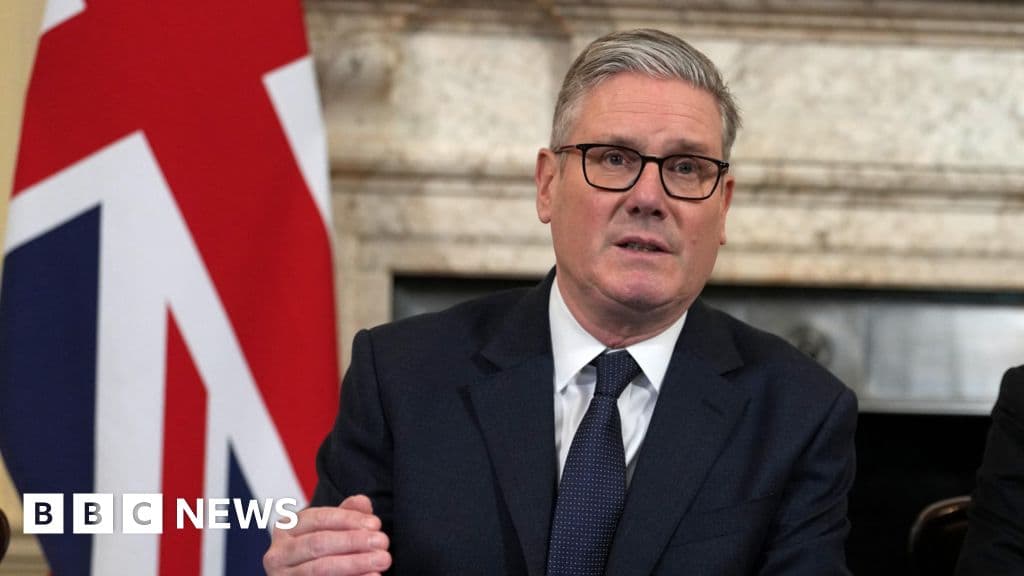
Labour MPs express loss of confidence in the Prime Minister as cabinet splits over his future.
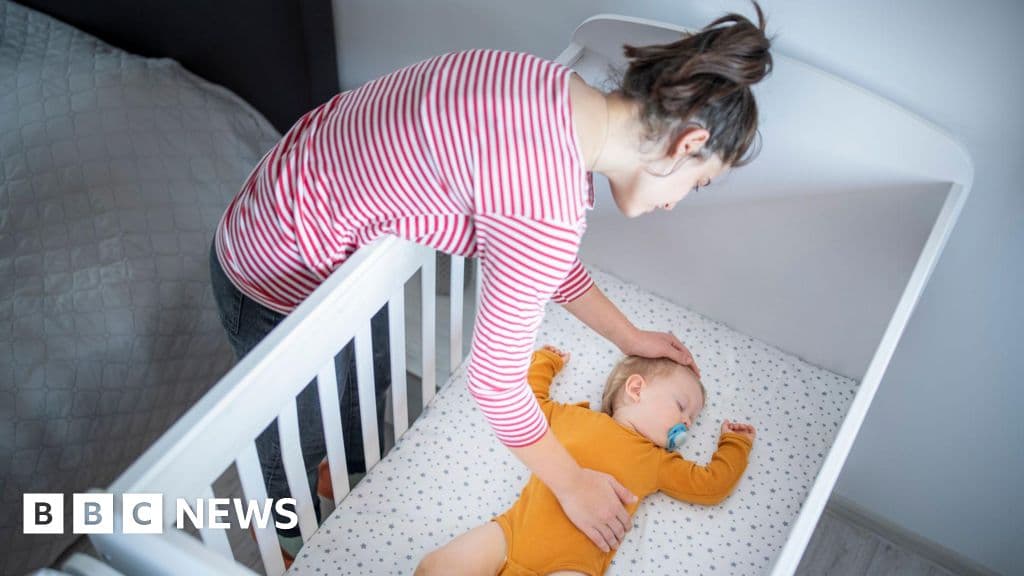
Calls for urgent regulation of the baby-sleep industry after a BBC investigation reveals unsafe advice.

A nonprofit is suing to stop the Lincoln Memorial Reflecting Pool from being painted blue.
See every story in News — including breaking news and analysis.
General secretary Jo Grady called for an emergency higher education taskforce to oversee how ministers will directly intervene to implement the report's recommendations.
Vivienne Stern, chief executive of Universities UK, which represents 141 universities, said they were "grateful" to the government for increasing fees in line with inflation in England.
However, she said visa changes had decreased international enrolments, and "a longstanding failure of research grants to cover costs" had created huge pressures for universities.
Alex Stanley, National Union of Students (NUS) vice president, said the report was "scary reading" and "students should not be bearing the brunt of the lack of investment in higher education".