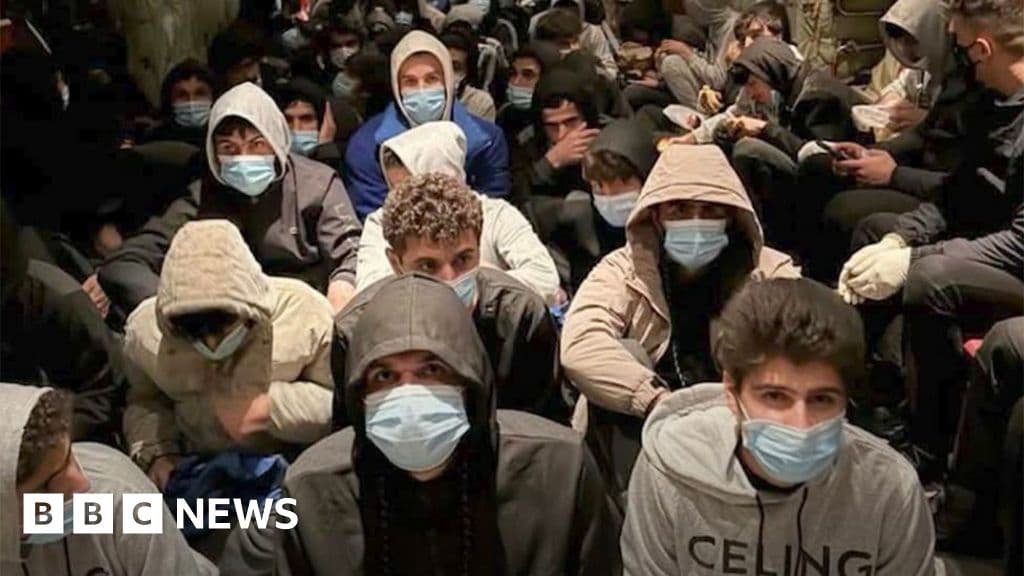
'Pay ransom or lose a kidney': Illegal migrants bound for UK kidnapped in Libya
Over 300 migrants kidnapped in Libya, facing organ removal threats if ransom not paid.
BBC News1 min read

Bank of England's deputy governor warns that record-high global stock markets do not reflect underlying economic risks and are expected to fall. Concerns include private credit markets and overvalued AI stocks.
Mentioned in this story
Record-high global stock markets do not reflect the risks in the global economy, and will fall back, a deputy governor at the Bank of England has warned.
Sarah Breeden, deputy governor for financial stability at the Bank, fears that macroeconomic risks are not fully priced into equity markets.
She cited concerns about private credit markets, highly valued artificial intelligence stocks, and other “risky valuations”.
Breeden told the BBC: “There’s a lot of risk out there and yet asset prices are at all-time highs. We expect there will be an adjustment at some point.”
The US stock market hit a record high earlier this week as investors shrugged off fears that the energy shock sparked by the Iran war is hurting the global economy and driving up inflation.
Japan’s Nikkei 225 index ended the day at a record closing high, lifted by a rally in technology stocks after the chipmaker Intel beat forecasts with its latest results on Thursday night.
Britain’s FTSE 100 share index is about 5% below the record high it reached in late February, just before the Iran war began.
Concerns about private credit, which involves potentially risky loans funded using investors’ money, have been growing in recent months.
The Bank warned at the end of March that valuations were particularly stretched for US technology companies focused on AI, and that investor sentiment relating to risky credit markets had deteriorated even before the conflict in the Middle East began.
Breeden told the BBC that the Bank was worried about a “private credit crunch, rather than a banking-driven credit crunch”.
“The thing that really keeps me awake at night is the likelihood of a number of risks crystallising at the same time – a major macroeconomic shock, confidence in private credit goes, AI and other risky valuations readjust – what happens in that environment and are we prepared for it?” she said.
“What we are watching for is: how might those prices fall? Will there be a sharp adjustment downwards? And if there is such an adjustment, how will that affect the economy? I’m not saying it will happen today, tomorrow, in 12 months’ time. It’s ensuring that if it happens the system is resilient,” Breeden added.
The deputy governor, Sarah Breeden, stated that current stock market highs do not account for significant macroeconomic risks and anticipate a market adjustment.
Concerns include risky valuations in private credit markets and highly valued artificial intelligence stocks, which may not be sustainable.
Despite fears from the Iran war impacting the global economy and inflation, the US stock market recently reached a record high.
Over 300 migrants kidnapped in Libya, facing organ removal threats if ransom not paid.

Israel's airstrikes in Lebanon kill 14, escalating conflict with Iran.
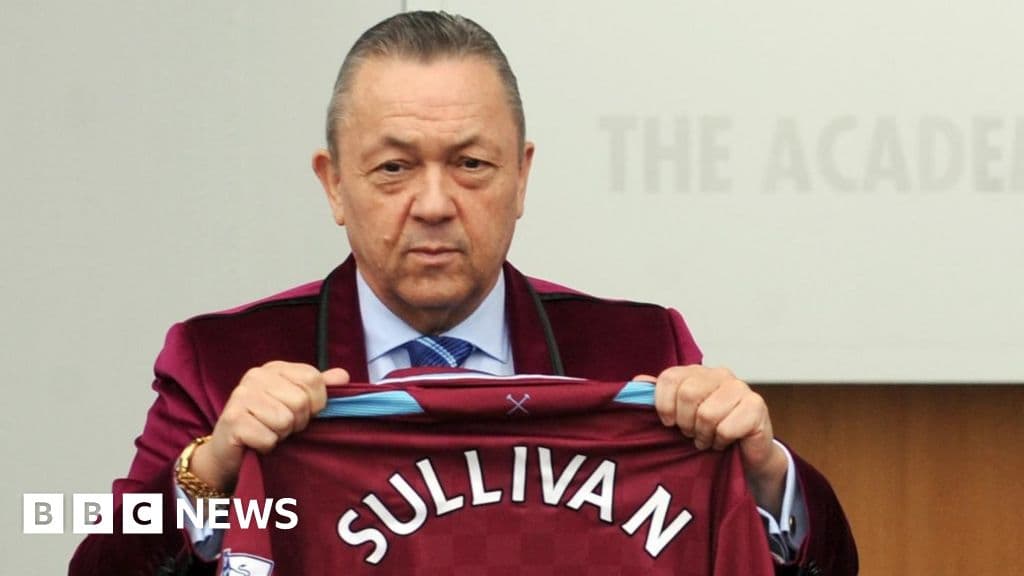
Football Regulator is in contact with West Ham regarding serious allegations against co-owner David Sullivan.

Brisbane woman released on bail after charged with murdering terminally ill husband
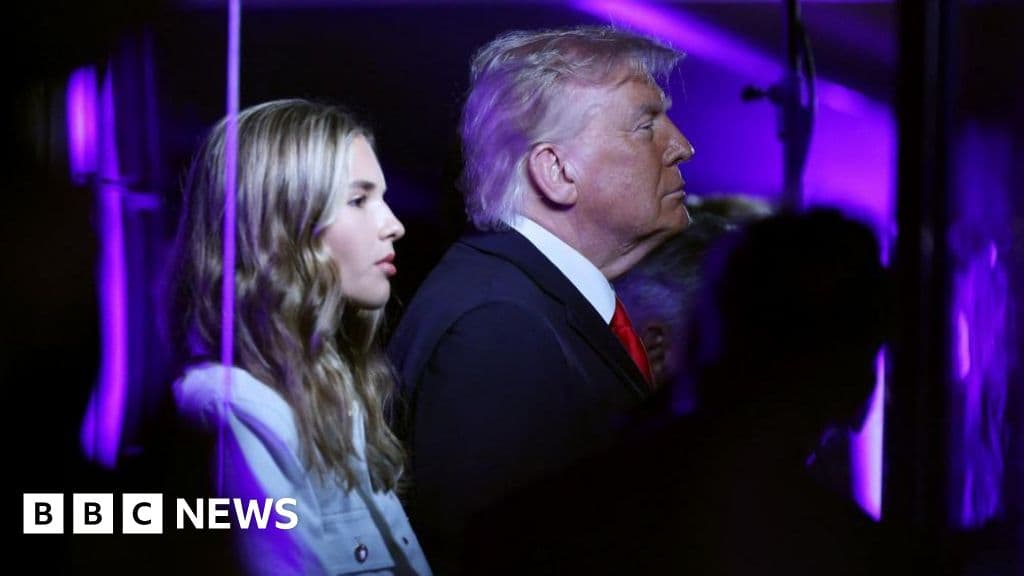
Trump becomes first sitting president to attend NBA Finals, booed by crowd

ABC managing director Hugh Marks secretly searches for new news director, replacing Justin Stevens.
See every story in News — including breaking news and analysis.
The FTSE 100 fell by over 0.5% on Friday, after Breeden’s interview was published, amid a wider market drop as traders worried that there was no sign of a breakthrough in the Iran war.
Russ Mould, investment director at AJ Bell, suggested that Breeden’s warning of a potential global stock market correction might be weighing on the City.
“It’s unusual for a Bank of England official to explicitly warn about a potential stock market pullback, and the comment might have contributed to some of the FTSE 100’s decline on Friday.
“Breeden wasn’t simply referring to the Middle East events – she also referenced concerns around a private credit crunch, high equity valuations and AI,” Mould added.