
Trump due in China for high-stakes summit with Xi Jinping | First Thing
Trump's Upcoming Summit with Xi Jinping: Key Issues at Stake
The Guardian World1 min read
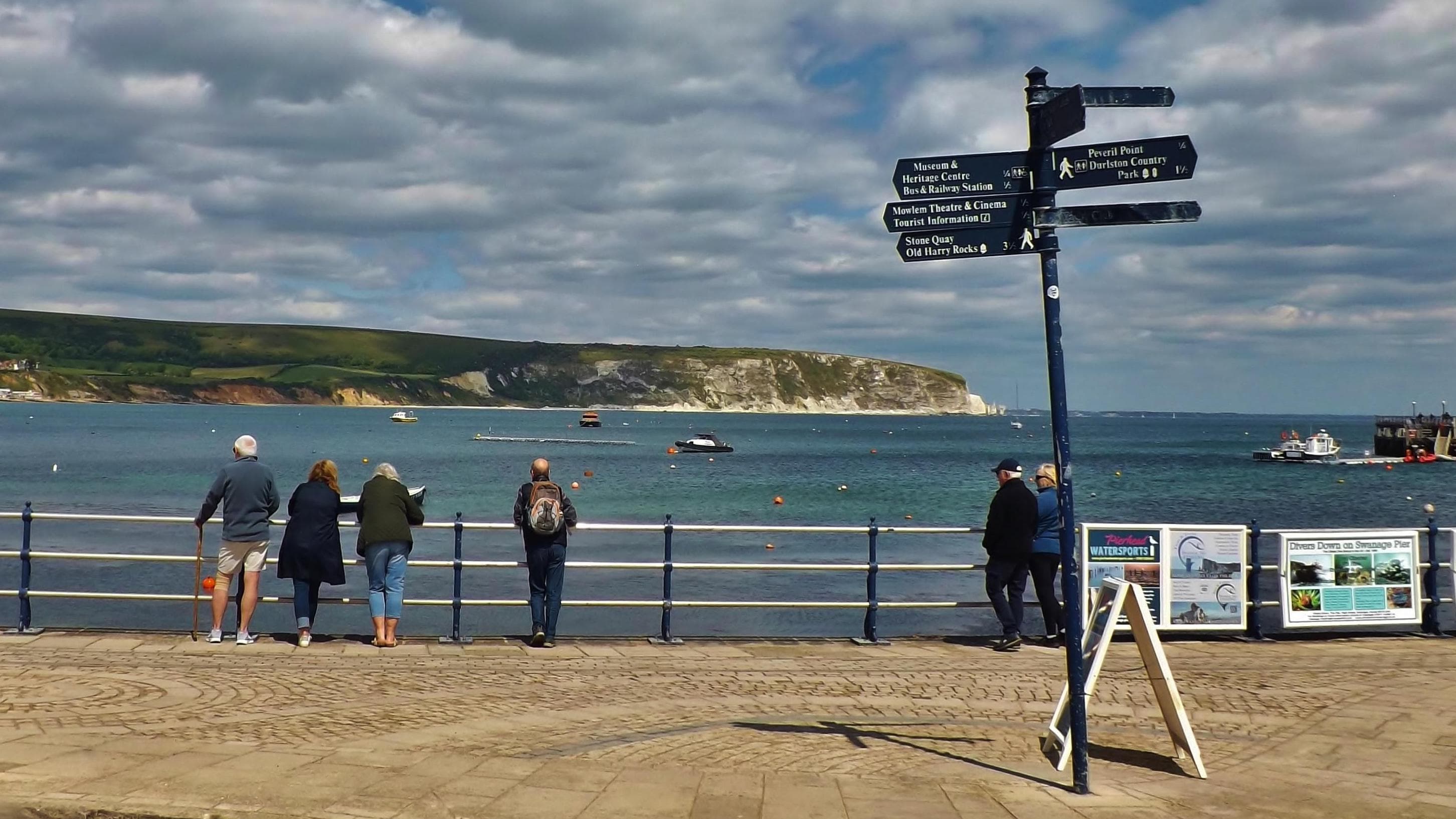
After a cold snap, spring temperatures in the UK are expected to rise above 20C next week. However, rain is likely in some areas, especially in the north and west.
After a stretch of unseasonably low temperatures for much of the UK, spring warmth is set to make a comeback next week.
Afternoon highs could climb above 20C (68F) in some places, marking a big change from the cold snap currently affecting the UK.
Warmer weather does not necessarily mean dry weather and sunshine for everyone though, with fronts expected to bring rain at times, particularly in the north and west.
The increase in temperature will not happen quickly, with chilly air expected to cling on for the next few days.
Northerly winds are currently blowing across the UK bringing cold Arctic air across our shores.
This is holding daytime temperatures several degrees below the seasonal norm with some late-season frosts at night.
This chilly air will stay with us during Wednesday, Thursday and Friday with daytime highs around 9-14C (48-57F), sunny spells and blustery showers, and the ongoing risk of overnight frost.
The cold air is heading our way thanks to a combination of high pressure in the Atlantic and areas of low pressure moving to the north and east of the UK - driving northerly winds.
But over the weekend that pattern will - slowly but surely - start to shift.
Westerly winds will develop and by Sunday temperatures should be back to the mid-May average of 12-18C (54-64F).
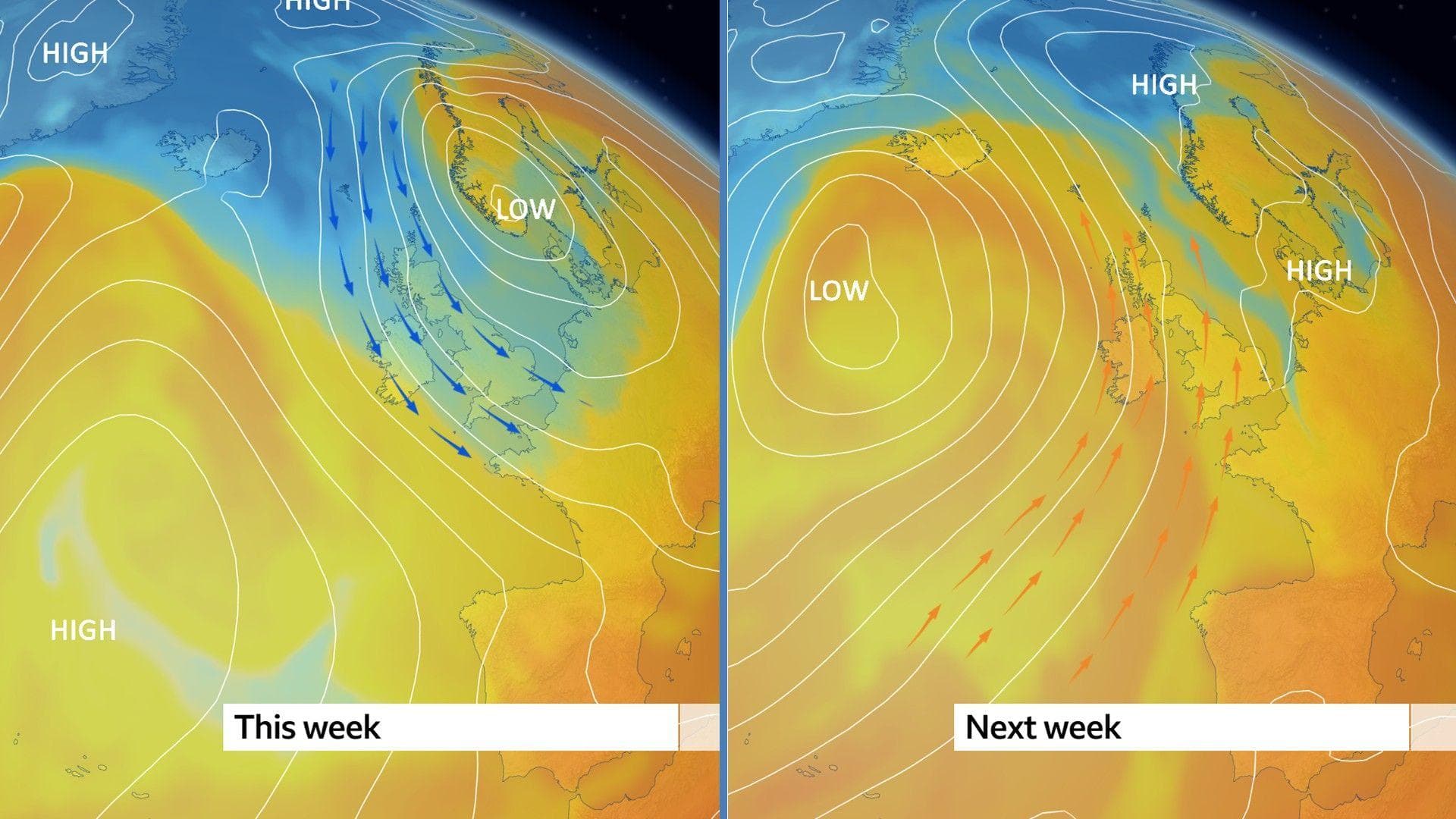
Image caption,
Temperatures will swing from below average to above average as the wind direction changes
By the middle of next week the pattern looks likely to flip completely, with low pressure to the west of the UK and high pressure to the east.
That will bring southerly winds from the subtropics - and a very different feel.
Next week is still a long way off in weather forecasting terms so the exact numbers may change.
The UK is expected to see afternoon highs climb above 20C (68F) next week.
No, warmer weather may bring rain at times, particularly in the north and west.
Chilly air is expected to linger for the next few days before the temperature increase occurs.
The article does not specify the cause of the cold snap, only that it has been unseasonably low temperatures.
Trump's Upcoming Summit with Xi Jinping: Key Issues at Stake
King Charles outlines key legislative plans in his speech, including nationalisation and EU agreements.

The Pentagon estimates the war in Iran costs $29 billion now, rising from $25 billion.

The Brazilian government has started marking land for the uncontacted Kawahiva people after a 27-year wait, confirming their territory of 410,000 hectares. This move aims to enhance protection for the vulnerable Indigenous community amidst ongoing legal challenges and threats from agribusiness interests.

Eurovision officials are closely watching voting patterns amid concerns about Israel's influence on results.

Gail's smoked chicken Caesar club has more salt than five cheeseburgers!
See every story in News — including breaking news and analysis.
However, computer models suggest that many areas could see maximum temperatures into the high-teens or low-twenties Celsius.
It is not impossible that parts of southern England and Wales could see the thermometer climbing even higher, into the mid-twenties Celsius.
It will depend upon the exact positions of the areas of high and low pressure, how warm the air heading our way will be - and on how much sunshine we get to see.
As high pressure and low pressure battle for supremacy it is likely that at least some of us will see showers or longer spells of rain - which could be heavy and thundery.
At the moment it looks like the wettest of the conditions will be across northern and western parts of the UK with drier conditions further south and east.
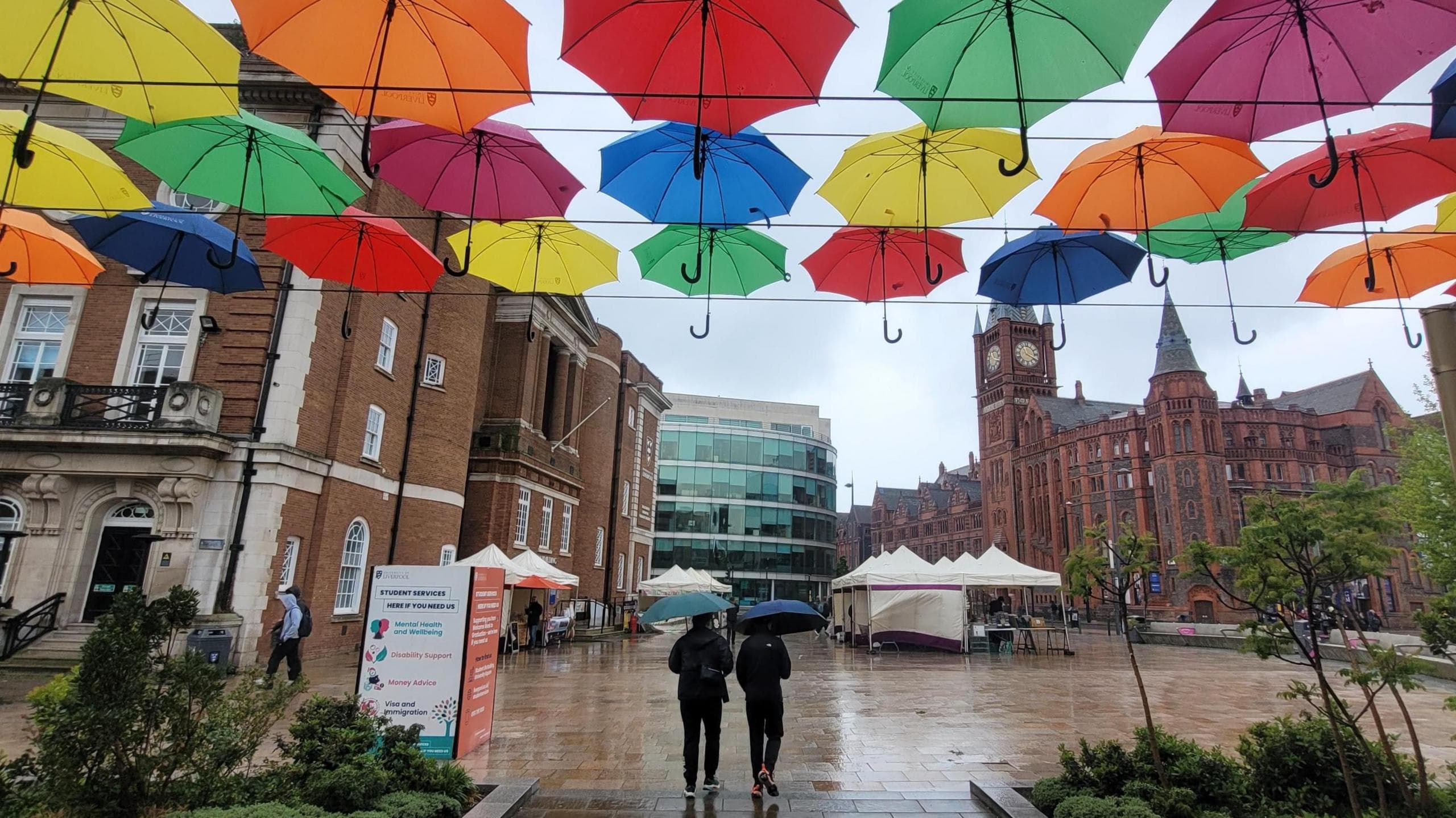
Image caption,
Even as the weather gets warmer umbrellas may still come in handy
There is likely to be some sunshine at times, and in any lengthier sunny periods it may start to feel particularly warm.