
Who will win the World Cup? BBC pundits make their predictions
Who will win the World Cup? BBC pundits share their predictions!
BBC News1 min read

Seattle has enacted a year-long ban on new AI datacenters following a unanimous city council vote. The moratorium aims to address environmental concerns and regulate the impact of these energy-intensive facilities.
Mentioned in this story
Seattle has passed a year-long moratorium on the construction of new datacenters. The city council voted unanimously in favor of the temporary ban on Tuesday.
A major tech hub whose metro area is home to Amazon and Microsoft, Seattle is the largest US city to have passed such a moratorium as the backlash against AI infrastructure grows across the country.
Lawmakers have framed the pause as an opportunity to draft regulations specifically targeting the electricity-hungry datacenters being built nationwide to serve the AI sector, and to protect local residents from environmental risks and rising electricity bills.
According to Seattle mayor Katie Wilson, the moratorium will also let city officials determine whether datacenters are a “good use of urban land”, and potentially impose new stipulations on their approval, such as requiring developers to invest in local transit and housing initiatives in exchange for construction permits.
“There are times when public pressure forces elected officials to do something they don’t want to do, but in other cases, public pressure just supports and helps to spur on elected officials to do things that they already want to do,” said Wilson. “I think this was one of those latter cases.”
After the Seattle Times reported in April that five proposed datacenters could consume up to a third of the city’s current demand for electricity, lawmakers quickly moved to impose a moratorium. Local tech workers, including activist groups like Amazon Employees for Climate Justice, met with policymakers on the topic and mounted a letter-writing campaign that sent nearly 100,000 emails to local lawmakers.
According to Ben Jones, a spokesperson for the climate-activist group 350 Seattle, a “huge number” of tech workers organized against the data centers because AI is “synonymous with people losing their jobs”. Amazon and Microsoft have laid off thousands of local workers over the past year as they spend a projected $390bn on AI investments in 2026.
An amendment to the moratorium that passed unanimously last week allows existing datacenters in Seattle to apply for expansions requiring up to 20 megawatts of additional power during the year-long pause. Activists are concerned that the provision may lead to a spike in datacenters’ demand for power while the moratorium is in place, and may undermine the premise of the pause.
The ban aims to draft regulations targeting the environmental impact and electricity consumption of datacenters serving the AI sector.
The moratorium will last for one year, allowing time for city officials to assess regulations and community needs.
Future approvals may require developers to invest in local transit and housing initiatives as part of the construction permit process.
Who will win the World Cup? BBC pundits share their predictions!

Afghanistan blames Pakistan for deadly air raids killing 13, mostly children
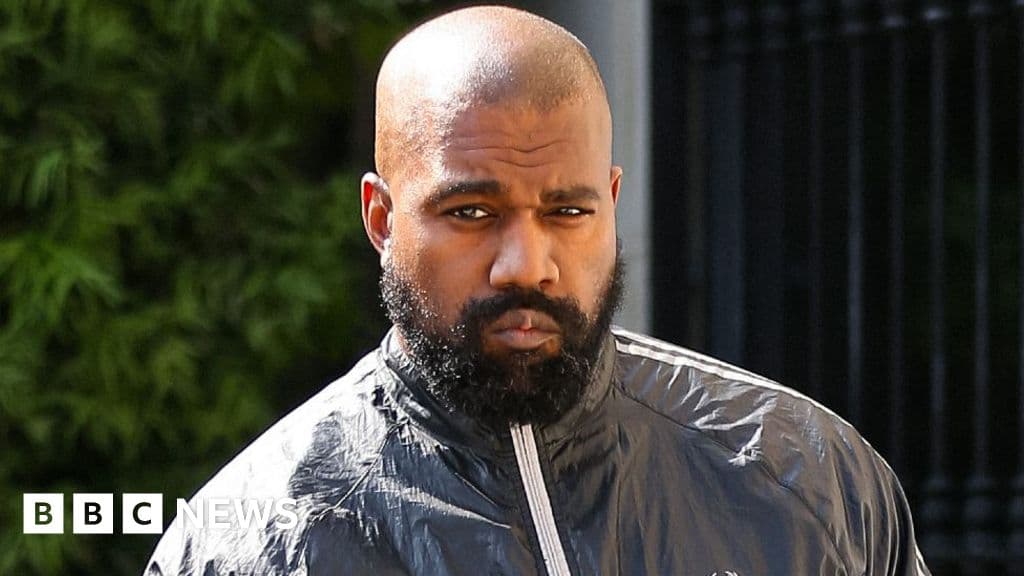
Model Jennifer An claims Kanye West choked her on set, leaving her scared.

Thirty-two charities in England and Wales have donated over £28 million to illegal Israeli settlements, according to MP Melanie Ward. If gift aid is claimed, taxpayers could subsidize these settlements by £5.6 million, prompting an investigation by the Charity Commission.

UK's leading science facilities face closure due to £162m funding crisis.

A poll shows that 55% of Makerfield voters would be less likely to support a candidate with offensive social media posts. Only 31% said such posts would not affect their voting decision.
See every story in News — including breaking news and analysis.
Lawmakers justified the amendment as a way to differentiate between the datacenters that already exist in Seattle and serve a civic purpose, like those powering health facilities and emergency-call systems, from large-scale centers designed to serve the AI sector.
Seattle activists are now working with other organizations in Washington state to help more groups mount similar campaigns against the bipartisanly unpopular datacenters, including in Spokane, the state’s second-largest city, and Walla Walla, in an agricultural corner of south-eastern Washington.
Wilson said her administration will push for state-level regulation of datacenters during the Washington state government’s next legislative session.