
‘There’s wee girls inside’: panic as masked men storm house in Belfast
Chaos in Belfast: Masked men storm house, claiming to 'liberate' it
The Guardian World1 min read

A proposed social media ban for under-16s in the UK may fail, according to the Molly Rose Foundation. The charity warns that children could bypass age checks and migrate to less regulated platforms.
Mentioned in this story
A rushed under-16s social media ban in the UK could unravel and families will be left to count the cost, a leading child safety charity has warned.
The Molly Rose Foundation (MRF) said an age limit on the use of tech platforms could unravel, after a report that the prime minister, Keir Starmer, is to announce a ban on under-16s accessing “harmful” social media apps.
It is not known which apps would fit into that category, but a blanket ban in Australia covers the leading industry names including Facebook, Instagram, X, TikTok and Snapchat.
MRF, founded by the family of Molly Russell, a British teenager who took her own life after viewing harmful online content on Instagram and Pinterest, said a ban would fail to keep children safer because they would circumvent age checks and could move to less regulated areas such as gaming.
Andy Burrows, the MRF chief executive, said a “rushed” ban would “quickly unravel” and was not supported by the evidence.
“Parents have been clear they want decisive action that will actually work,” he said. “If Keir Starmer prioritises short-term announcements over what the evidence and experts say is needed, children and parents will be left to count the cost and child protection will take a step back.”
The Times reported on Sunday that the government was planning to announce a ban before the Makerfield byelection on 18 June. The mayor of Manchester, Andy Burnham, who is contesting the seat for Labour, has said he will challenge Starmer for the party leadership if he wins.
A consultation on children’s online safety, including whether there should be an under-16s ban, closed only last week, but the government is keen to act on its findings as quickly as possible.
If the government pushes ahead with a selective ban, it would be different from the under-16s block in Australia where age limitations are imposed if a service enables social interaction between two or more users, and if it allows users to post material. A range of apps have been swept up in that definition.

The UK government plans to announce a ban on under-16s accessing certain 'harmful' social media apps.
While specific apps have not been named, similar bans in other countries cover platforms like Facebook, Instagram, TikTok, and Snapchat.
The foundation argues that the ban could unravel quickly and fail to protect children, as they might circumvent age checks and turn to less regulated platforms.
Keir Starmer is the UK Prime Minister who is expected to announce the proposed ban on under-16s accessing certain social media apps.
Chaos in Belfast: Masked men storm house, claiming to 'liberate' it

House approves $70 billion for ICE and Border Patrol through Trump's term

Young men in Myanmar are being forcibly conscripted into the military amid civil war.
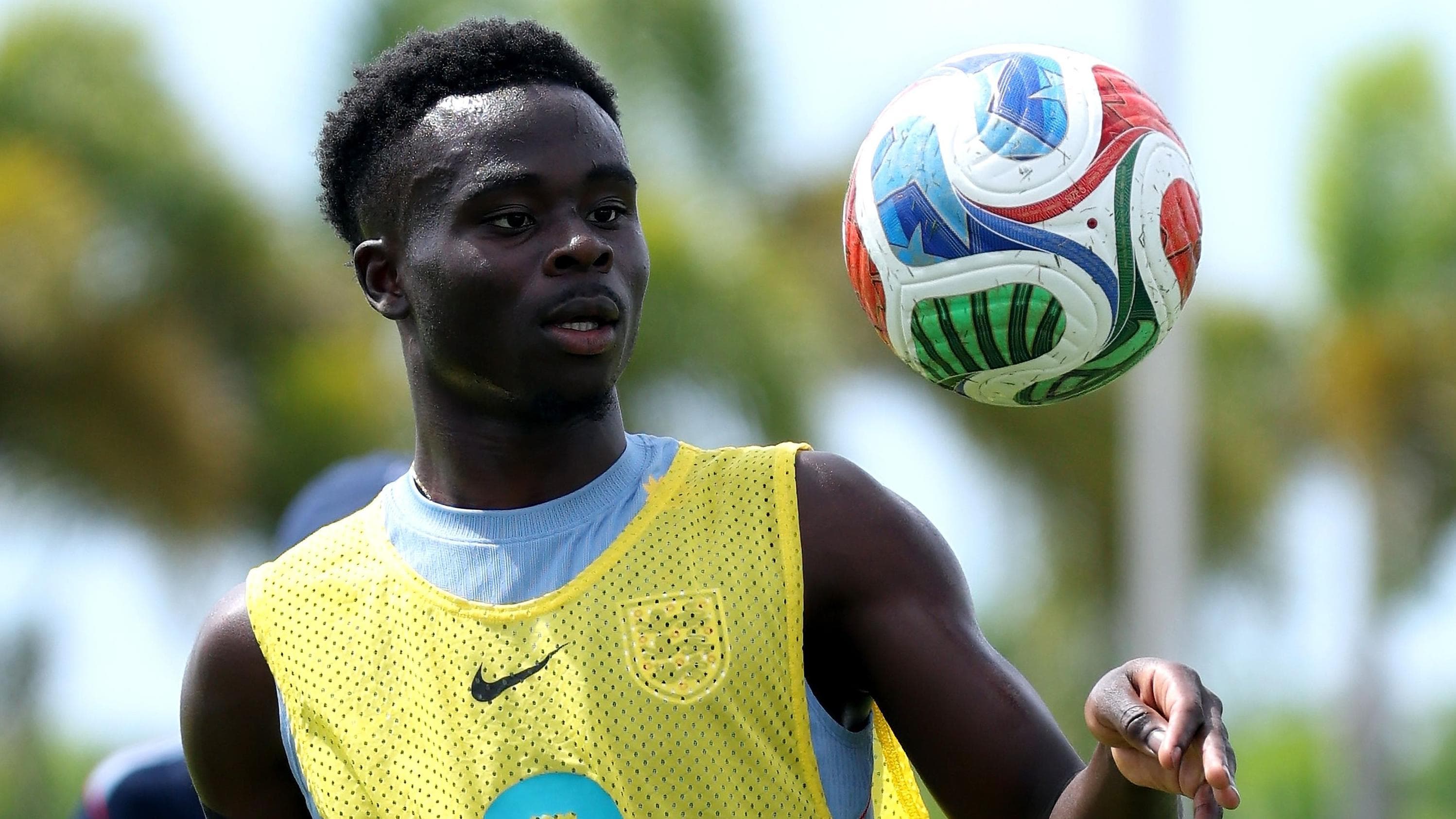
England's Tuchel carefully manages Saka's fitness ahead of the World Cup.

Canada confirms Gordie Howe Bridge opening despite Trump's threats

Australia's High Court to Decide on Damages for Indefinite Detention Case
See every story in News — including breaking news and analysis.
MRF has proposed safety standards including the curbing of personalised algorithms that curate the content a teenager sees. Photograph: Denis Borisov/Getty Images
The UK government is also consulting on other safety matters including whether there should be age restrictions on a range of app features, such as infinite scrolling, and limitations on the use of AI chatbots.
MRF has said the government should set strict safety standards for social media apps, such as curbing personalised algorithms that curate the content a teenager sees, with those apps being banned only after they have shown they do not meet those requirements.
MRF, which has received funding from Instagram’s owner, Meta, in lieu of legal proceedings after the inquest into Molly’s death, says its position is different from the government’s “harmful” ban policy because it gives apps a chance to clean up their act first.
Beeban Kidron, the crossbench peer and a leading online safety advocate, said the reported government proposal was a “non-ban ban”. Lady Kidron accused ministers of soft-pedalling safety measures after the government’s announcement on Monday that it had given a three-month deadline to Apple and Google to install anti-nudity software on smartphones.
“Tech company behaviour over the last two decades has made clear that profit, not safety, is the driving force. This government is soft on tech and soft on the causes of harm,” Kidron said.
Fred Thomas, a Labour MP who organised a letter earlier this year in which he and more than 60 colleagues in the parliamentary party urged Starmer to back a social media ban for under-16s, said: “The evidence overwhelmingly supports bold action to protect children, and that is what I hope we get. Clearly this will remain a live issue, noting how fast online platforms change, and agility will be required going forward.”
However, there is also frustration in Labour’s ranks about the prime minister’s approach, with one MP saying: “They should get on with it [a ban], to be honest. They can’t keep saying it’s coming and then backing down.”