
Renowned British artist David Hockney dies aged 88
Renowned British artist David Hockney has passed away at 88, leaving a legacy in contemporary art.
Al Jazeera English1 min read
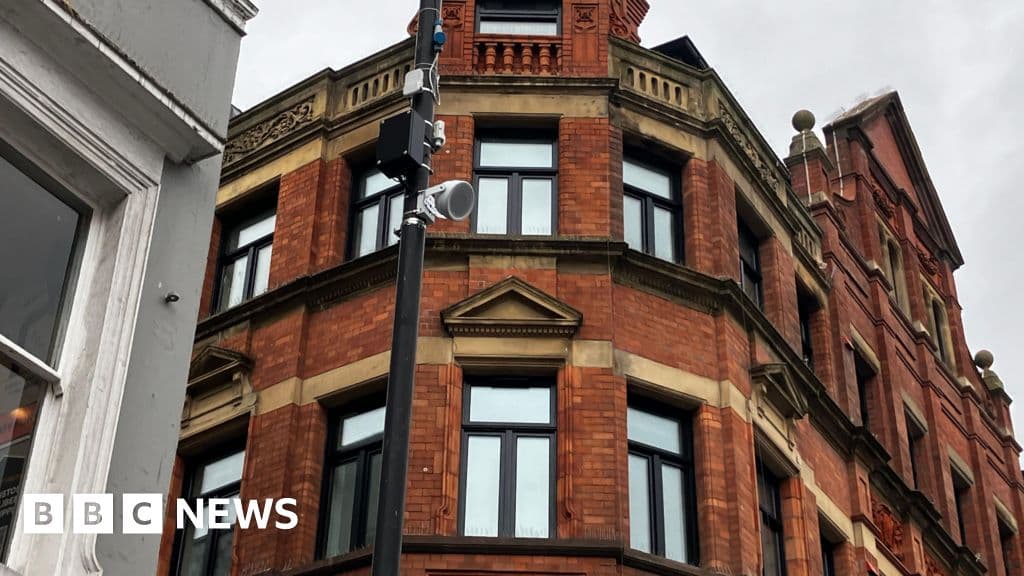
Liverpool is using classical music from speakers to disperse youths and combat anti-social behavior, according to Merseyside Police and the City Council. This tactic has sparked anger among local musicians who feel it reinforces elitist stereotypes.
Mentioned in this story
It may be world famous as a city of music, but music is now being used in Liverpool as an unlikely weapon in the fight against troublemakers.
Classical arrangements have been loudly pumping out of speakers on lampposts in Liverpool's Whitechapel area.
The BBC has learned that both Merseyside Police and Liverpool City Council are behind the tactic, which they said was "an effective tool" in breaking up groups of youths and "preventing anti-social behaviour".
But classically trained musicians in the city said they were angry that it was being "weaponised" against young people, reinforcing stereotypes of it being elitist and exclusive.
And they point to the fact that Liverpool City Council puts funding into the Liverpool Philharmonic Orchestra, which runs outreach projects that "use orchestral music making to improve the life chances of children by increasing confidence, well-being, skills and resilience".
Laura Macmillan, a conservatoire-trained violinist who now plays in the Liverpool band Ian Prowse and Amsterdam, said: "It makes me feel really angry as a classical musician who, as someone from a working class background, was made to feel that I wasn't good enough to play that kind of music.
"There's always been this stereotype that classical music is for people who have lots of money and is too complicated for some people, and to weaponise it like this is appalling."
Macmillan, 36, added: "If you wanted to get rid of groups of young people, play something from K-Pop Demon Hunters, because no-one over the age of about seven wants to hear that song Golden anymore."
Some traders and business owners told the BBC they were weary of having to to listen to the same four or five pieces of music on repeat.
And they said they did not know why it was being played.
Ian Silverberg, 67, who runs Silverberg Opticians in Whitechapel, said: "I thought it was for big events like the Grand National, to impress upon people visiting that we are a city of music.
"To find out otherwise is a bit disappointing."
In recent months, the council and Merseyside Police have been pushing plans to create a large Public Space Protection Order (PSPO) zone taking in most of the city centre in response to increased antisocial behaviour and violence involving young people.
The plan raised concerns that an unintended consequence of the order could be that it could be used to disperse people involved in legitimate protest.
And the BBC has learned that the music - which Mr Silverberg said he had heard as early as 05:30 when coming into town to open his shop - may have had unintended consequences for people sleeping rough in the city centre.
Michelle Langan, who runs the Paper Cup Project cafe for homeless people, said: "Some of our customers have come in saying they were concerned that it was being played very early in the morning and they were worried it was being done to disturb rough sleepers.
Classical music is being used in Liverpool as a tactic by Merseyside Police and the City Council to break up groups of youths and prevent anti-social behavior.
Local musicians are angry about the use of classical music as a weapon against young people, arguing it reinforces elitist and exclusive stereotypes.
The Liverpool Philharmonic Orchestra runs outreach projects aimed at improving life chances for children by enhancing their confidence, well-being, skills, and resilience through orchestral music.
Liverpool City Council has described the use of classical music as 'an effective tool' in addressing anti-social behavior and managing troublemakers in the community.
Renowned British artist David Hockney has passed away at 88, leaving a legacy in contemporary art.

Nora Fatehi brings a message of unity with her song 'Siir Siir' at Canada's World Cup opening ceremony.

Protests against the military draft by ultra-Orthodox Jews have escalated in Israel, leading to violence and injuries among demonstrators and police. The ongoing unrest reflects deep political divisions over conscription and its implications for religious study.

One injured in Israeli air raids on southern Lebanon despite ceasefire

Women detained at Delaney Hall in NJ launch hunger strike for better conditions and rights.
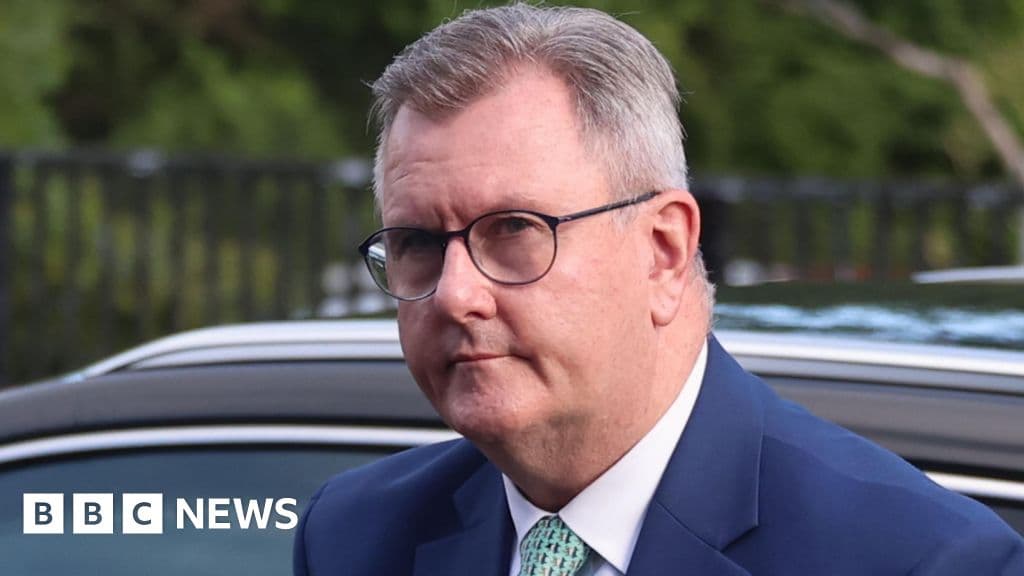
Donaldson denies meeting with sex abuse accuser amid trial
See every story in News — including breaking news and analysis.
"We didn't have a clue and were concerned that might be what it was, because no-one had told us why it was being played."
Liverpool City Council confirmed that the music was not intended to drive out rough sleepers.
A spokesman added: "The speakers are used on occasion as a tactic to disperse people from an area when there is anti-social behaviour and have proved successful at doing so.
"We are reviewing the time and frequency of their use in the light of recent feedback we have received."
Merseyside Police Liverpool City Centre Neighbourhood Inspector Jack Woodward said: "We will use all possible measures to reduce anti-social behaviour and youth-related violence because we're determined to make our city centre safe for visitors and residents.
"In partnership with Liverpool City Council, one tactic we can use involves playing music from speakers which are located in hotspot areas. This has proven to be an effective tool in dispersing large gatherings of youths, helping to prevent anti-social behaviour and criminality taking place in the area; whilst supporting our city centre community.
"We will not tolerate such behaviour and we take every report seriously. Please get in touch if you witness or have any information about an incident and we will investigate."
Listen to the best of BBC Radio Merseyside on Sounds and follow BBC Merseyside on Facebook, X, and Instagram. You can also send story ideas via Whatsapp to 0808 100 2230.