
Hydration break boos: How FIFA united players, fans, coaches at World Cup
FIFA's hydration breaks at the World Cup face backlash from players and fans.
Al Jazeera English1 min read

The TUC calls for an increased windfall tax on the UK's largest banks after they reported nearly £14bn in first-quarter profits, driven by market turbulence from the Iran war. The current bank surcharge was reduced from 8% to 3% earlier this year.
Mentioned in this story
An increased windfall tax should be imposed on the UK’s largest banks according to trade union leaders, after the big four lenders reported almost £14bn in first-quarter profits, partly fuelled by market turbulence caused by the Iran war.
The Trades Union Congress (TUC) renewed its call for an increase in the current bank surcharge, which was reduced from 8% to 3% of profits above £100m by the Conservative government in 2023, as banks benefit from the high interest rate environment.
The Bank of England held interest rates at 3.75% last week, with markets pricing in up to two increases by the end of this year. The average two-year fixed mortgage rate was 5.77% on Tuesday according to Moneyfacts, compared with 4.83% before the start of the conflict in the Middle East.
Over the past week, the UK’s big four banks – Barclays, HSBC, Lloyds and NatWest – reported combined profits of £13.8bn for the first quarter.
“Getting banks to pay more tax on their profits is plain common sense when they’re raking in billions and the rest of the country is struggling to get by,” said Paul Nowak, general secretary of the TUC.
“With Donald Trump’s war abroad unleashing economic chaos at home, it’s only right that banks’ bumper profits are taxed fairly and used to shield households and firms from the damaging impacts of the war.”

The big four high street banks – Barclays, HSBC, Lloyds and NatWest – made a combined £13.8bn in profits in the first quarter of 2026. Photograph: Andrzej Rostek/Alamy
The current windfall tax rate on UK banks is 3% on profits above £100 million.
The UK's big four banks reported combined profits of £13.8 billion for the first quarter.
Trade union leaders are urging for a windfall tax increase because banks are profiting significantly amid economic struggles faced by the public.
FIFA's hydration breaks at the World Cup face backlash from players and fans.

Brazil secures first World Cup 2026 win with 3-0 over Haiti, thanks to Cunha's double!
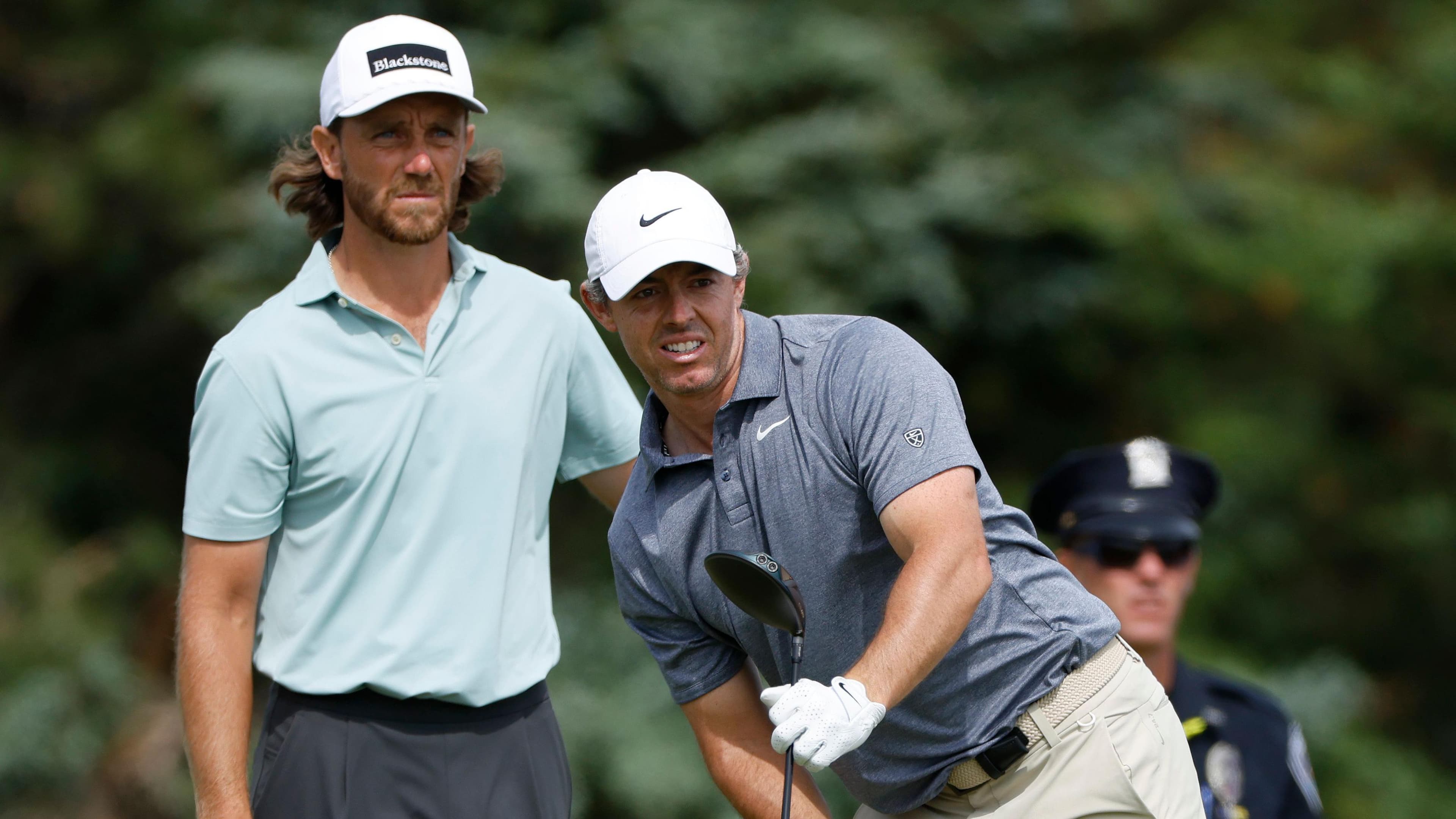
Wyndham Clark holds a four-shot lead at the US Open, while McIlroy and Scheffler struggle in windy conditions.
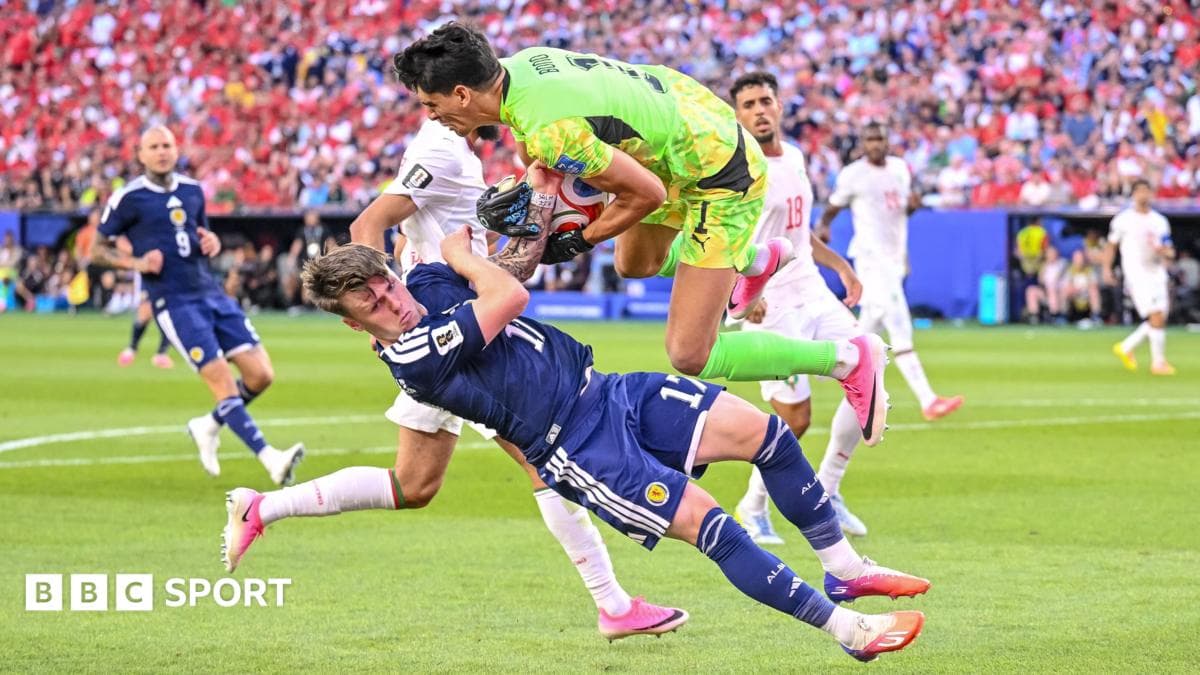
Scotland shows resilience but falls short against Morocco in Boston
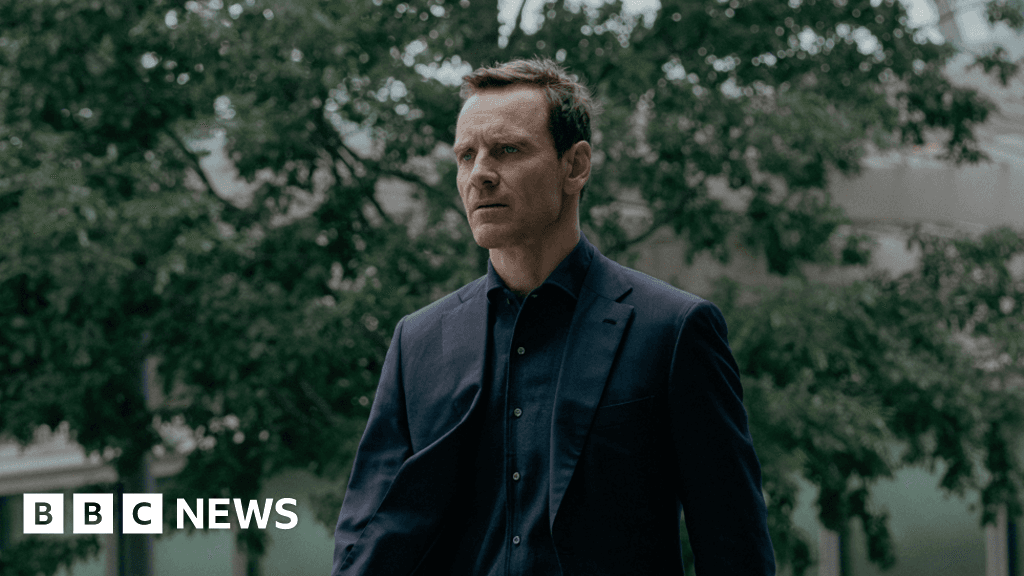
Michael Fassbender discusses trust and deception in the digital age as The Agency returns.

Nex Playground, a new console, launches to get kids moving on June 22 in the UK and Ireland.
See every story in News — including breaking news and analysis.
During a results call last week with the media, William Chalmers, chief financial officer at Lloyds Banking Group, was asked whether banks were “profiteering” from the Iran war.
The FTSE 100 group, whose brands include Lloyds Bank, Halifax and Bank of Scotland, reported a 33% increase in year-on-year profits to £2bn in the first quarter.
“Banks have had many years of very low margins, of low profitability in the context of a low-rate environment,” said Chalmers. “The sector always expected a gradual increase in the profitability of banks when rates rise. That is the way the financial services industry works.”
The TUC estimates that returning the bank surcharge back to the 8% level it was at three years ago, what it calls the “bare minimum”, would raise £9bn over four years. Doubling that to 16% would deliver £24bn over four years.
The big four banks made profits of almost £46bn last year, resulting in bumper annual pay packets for bosses.
“After the Tories cut the bank surcharge tax, banks enjoyed a profits bonanza because of high interest rates,” said Nowak.
“Now they could be set to make even more if interest rates remain high for longer.
“The last economic shock caused by [Vladimir] Putin’s illegal invasion in Ukraine led to a bumper payday for banks at the expense of mortgage payers – we can’t allow the same thing to happen again.”
Last year, the IPPR thinktank argued for a new bank tax to be introduced by chancellor Rachel Reeves in the November budget, a proposal that the industry managed to see off after intense lobbying.