News
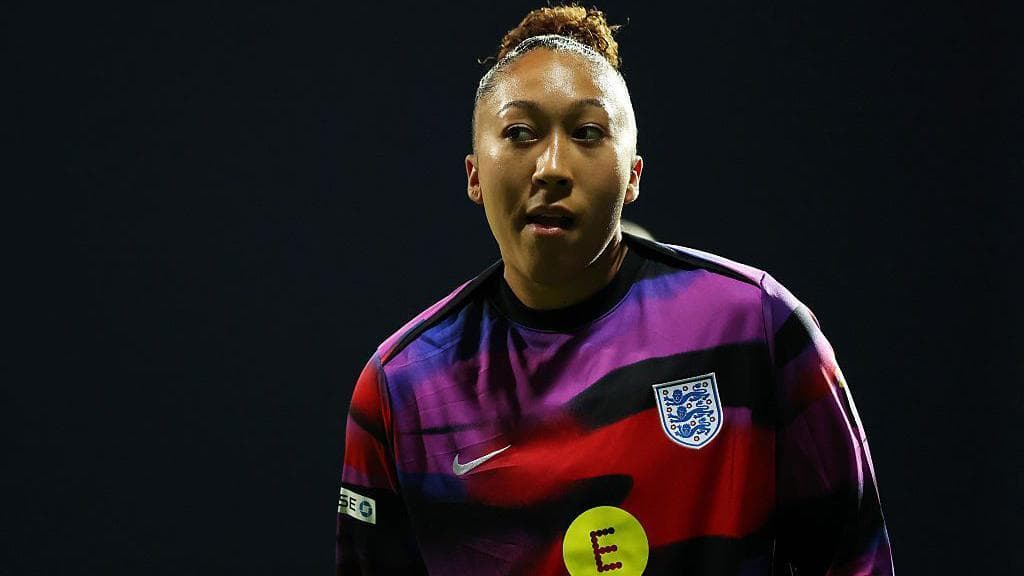
Success over Spain - but how can England get best out of classy James?
England's 1-0 win over Spain highlights Lauren James' potential.
BBC News1 min read

Rachel Reeves criticized Donald Trump's decision to go to war against Iran without a clear exit plan, calling it a 'folly.' The war has led to rising oil prices and inflation concerns in the West.
Rachel Reeves has hit out at the “folly” of Donald Trump’s decision to go to war against Iran without a clear exit plan.
Speaking to the Mirror before a trip to Washington for the International Monetary Fund spring meeting, the UK chancellor renewed her criticism of the war, which has pushed up oil prices and threatens a new jump in inflation across the west.
She was speaking after a turbulent few days in which the US and Iran abandoned peace talks in Islamabad without a deal and the US officially started a blockade of Iranian ports on the strait of Hormuz, through which Iranian oil ships have been passing in recent weeks.
Reeves said: “This is a war that we did not start. It was a war that we did not want. I feel very frustrated and angry that the US went into this war without a clear exit plan, without a clear idea of what they were trying to achieve. And as a result the strait of Hormuz is now blocked.”
She added: “Obviously no sensible person is a supporter of the Iranian regime but to start a conflict without being clear what the objectives are and not being clear about how you are going to get out of it, I do think that is a folly and it is one that is affecting families here in the UK but also families in the US and around the world.
“I don’t think it was the right decision. But it was absolutely the right decision for Keir Starmer – our prime minister – to keep us out of this conflict.”
While Reeves has previously expressed her frustrations about the war, her comments on Tuesday go further than anything either she or the prime minister had previously publicly said.
Starmer told the Commons on Monday: “My decision has been very clearly that whatever the pressure – and there’s been some considerable pressure – we’re not getting dragged into the war.”
Reeves was speaking before the IMF meeting where foreign ministers from around the world will talk about the economic fallout from the Iran war.
The fund published a new set of forecasts on Tuesday afternoon showing the UK would suffer the biggest economic impact of any G7 country, with GDP expected to rise by just 0.8% this year rather than 1.3% as previously forecast.
Reeves has promised to help poorer households with their energy bills if they rise later in the summer and is also under pressure to cancel a planned rise in fuel duty in September.
Rachel Reeves criticized the US decision to go to war against Iran without a clear exit plan, calling it a 'folly.'
The conflict has pushed up oil prices and threatens to increase inflation across the West.
The US abandoned peace talks with Iran and officially started a blockade of Iranian ports in the Strait of Hormuz.
Reeves expressed frustration over the lack of clear objectives and exit plans in the US war strategy, which she believes impacts families in the UK and beyond.
England's 1-0 win over Spain highlights Lauren James' potential.

Former UCLA gynecologist James Heaps pleads guilty to 13 sexual abuse charges and sentenced to 11 years.

Wes Streeting unveils new women's health strategy to combat medical misogyny

DoorDash driver who delivered to Trump had lobbied for his tax policy

Protests erupt in Canada against cuts to refugee healthcare program
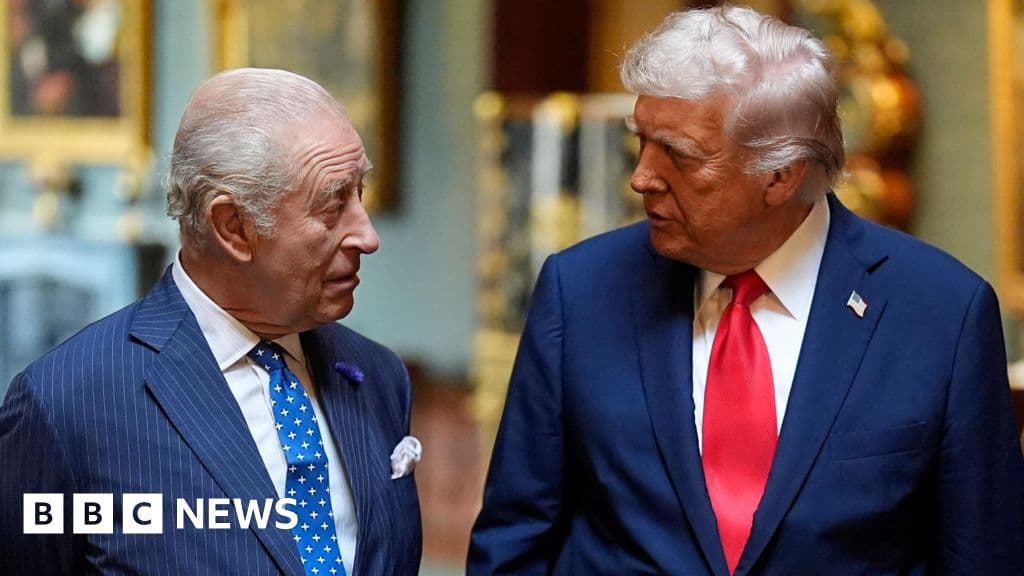
King and Queen won't meet Epstein survivors during US visit, but Queen Camilla will engage with domestic abuse groups.
See every story in News — including breaking news and analysis.
Starmer meanwhile has set up a new committee of ministers to discuss the impact of the war on Britain, which met for the first time on Friday. Officials said they spoke about the situation in the strait of Hormuz, where the US blockade officially began on Tuesday.
Downing Street said: “It’s clear that the impacts of this crisis will be felt here in the UK for a long time to come, and resilience is at the heart of his approach.”
The prime minister will travel to Paris later this week for an international summit of more than 40 countries to discuss how to safeguard shipping through the strait. Officials say they will talk about how to de-mine the waterway, how to rescue ships stranded there and eventually, how to make sure ships can pass through it.
The US is unlikely to attend, while many world leaders will do so virtually rather than in person.