Puberty blocker trial will help reduce harm, says Cass report author
TL;DR
A trial on puberty blockers for gender-questioning children aims to assess risks and benefits, with author Dr. Hilary Cass emphasizing the need for research to prevent harm. The trial will involve children as young as 11 and includes increased safeguards for participants.
Key points
- Trial examines risks and benefits of puberty blockers
- Dr. Hilary Cass emphasizes need for research
- Children as young as 11 could be recruited
- Increased safeguards for trial participants
- Weak evidence behind puberty blockers highlighted
Mentioned in this story
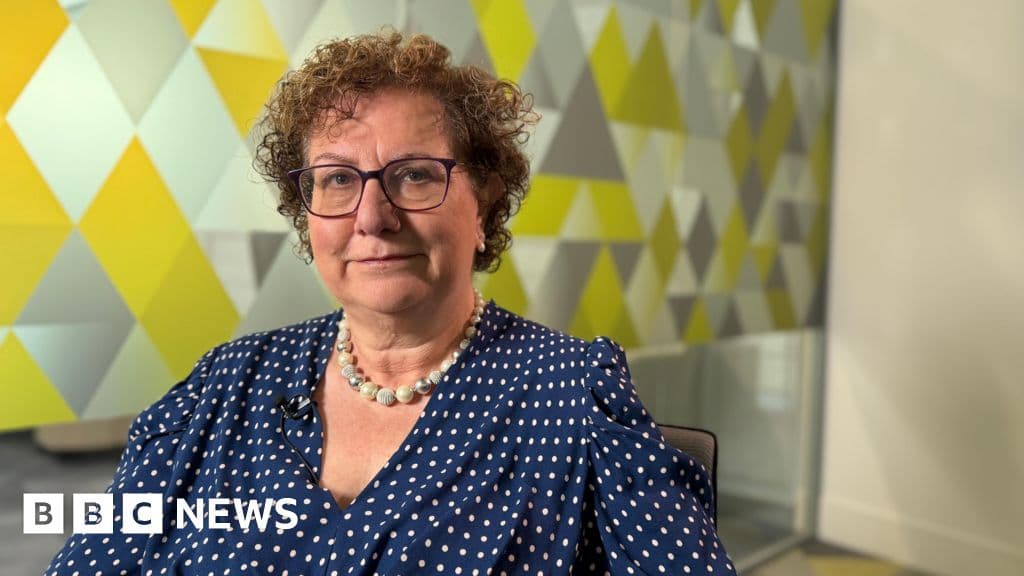
A trial examining the risks or benefits of drugs that can delay puberty for gender-questioning children will help reduce harm, according to the author of a landmark review.
Dr Hilary Cass said she was "absolutely convinced that more children will be harmed if we don't do the trial than if we do."
Her commentsfollow pressure from campaigners and some politicians to have the research programme scrapped after it was announced children as young as 11 could be recruited onto the trial.
The Pathways clinical trial will berun by researchers at Kings College, London (KCL). In addition to setting a minimum age, they have also increased the safeguards for participants.
The puberty blockers research was recommended by Dr Cass after her 2024 review of gender medicine for children pointed to weak evidence behind their use.
The NHS has in the past prescribed puberty blockers for under-18s gender care, but in 2024 the government brought in a UK-wide, indefinite ban on the drugs being prescribed privately or by the NHS.
Speaking to the BBC, Dr Cass said she believes since then "some of the hype about risks have been exaggerated in that we genuinely don't know if there are harms."
And she said the trial was "essential" to answer the question about "whether these drugs are helpful or not".
She added that young people will be "closely monitored in every respect" and the drugs stopped if concerns emerge.
The researchers will examine the impact of the drugs on the physical, social and emotional wellbeing of participants. This will include checks on bone density, brain function and fertility.
Cass believes without a trial young people will continue to get drugs from "unregulated and dangerous routes."
"Today we have young people turning up in the clinics on testosterone at 11, which we know is irreversible," she said.
"It may be that if they were prescribed puberty blockers instead, that would give more time for the therapist to work with them and perhaps come to a different solution than a long-term life on medication."
Testosterone is a masculinising hormone which should not be prescribed in the UK for children under 16 for gender treatment.
Puberty blockers, also known as puberty suppressing hormones (PSH), are used to delay puberty.
Health Secretary James Murray told Parliament on Monday that clinical evidence would be important on which to base future decisions.
Mr Murray said: "I have felt uncomfortable and uneasy about some of the challenges raised by this matter.
"But for me, following the clinical advice, basing future decisions on clinical evidence, is the right way to move forward in the context of me having received the most robust assurances about the safeguards which are in place to protect young people involved in this trial from receiving harm."
The trial was announced in November but paused in February when medical regulators proposed a minimum age of 14 for participation.
KCL researchers said after careful discussion, age limits were agreed at 11 for birth-registered female participants, and 12 for birth-registered males. They are due to start recruiting children in August, subject to ongoing legal action.
That action is being brought by campaigners who claim the trial is unethical and that children cannot give properly informed consent to take part in something that could, for instance, damage their future fertility.
One of those taking legal action is Bayswater Support Group, which works with parents who are wary of medical solutions for their gender-questioning children.
A spokesperson for the organisation says the trial risks causing irreversible harm to the participants and will not resolve the "outstanding questions about puberty blockers".
The Conservative party has said it wants to force a vote in the House of Commons so that politicians can have their say.
Chay Brown, Healthcare Director of trans campaign group TransActual, welcomed the trial but said the NHS should reverse the puberty blocker ban and "provide timely and holistic care for all trans people on the basis of informed consent - not the latest moral panic".
Dr Cass argues that this is a matter that needs to be settled by clinical opinion and by science, and that this group of young people and their families have been let down by NHS services for too long.
Q&A
What is the purpose of the puberty blocker trial led by Kings College, London?
The trial aims to examine the risks and benefits of puberty blockers for gender-questioning children to help reduce potential harm.
Who is Dr. Hilary Cass and what is her role in the puberty blocker trial?
Dr. Hilary Cass is the author of a landmark review on gender medicine and advocates for the trial, believing it is necessary to prevent harm to children.
What age group will be involved in the puberty blocker trial?
The trial will recruit children as young as 11 years old.
What safeguards have been implemented for participants in the puberty blocker trial?
The trial has increased safeguards for participants to ensure their safety during the research process.