
Fake romance to missed deliveries: How to protect yourself from three common scams
Learn about common scams and how to protect yourself from them.
BBC News1 min read

Protests in Bolivia have escalated for three days, driven by demands for reforms in agriculture, education, and labor policies. The Bolivian Workers’ Centre union has called for strikes amid a severe economic crisis marked by a currency shortage.
Mentioned in this story
Protests in Bolivia have entered the third day with three separate groups calling for reforms to agricultural, educational and labour policies.
The country’s main trade union, the Bolivian Workers’ Centre (COB) union, issued a strike call last Friday, coinciding with labour reform protests around the globe to mark International Workers’ Day.
The South American nation was already facing a currency shortage, causing its largest economic crisis in 40 years.
On Tuesday, COB, alongside transport and education workers, took to the streets, leading to clashes with police. Law enforcement officers fired tear gas at protesters near the presidential palace in La Paz, and in nearby El Alto, public workers blocked the streets with buses, cars and trucks.
Last year, centre-right politician Rodrigo Paz was elected president of Bolivia, marking a shift in government leadership in a country that had been under socialist rule for decades.
Bolivia, which is facing a budgetary crisis, ended a fuel subsidy, putting pressure on the country’s working class. The fuel subsidy that Paz cut was decades-old and kept petrol prices at 2006 levels.
As a result, quality fuels became increasingly inaccessible. Transport workers say that they were forced to use lower-quality fuel and claim that, because of that, their cars, trucks and buses have damaged engines.
They are demanding compensation from the government for the damage.
The strikes brought public transport to a halt in several major cities around the country. Among them are the administrative capital, La Paz, as well as El Alto, Cochabamba, Oruro, and the constitutional capital, Sucre.
They have created at least 70 roadway blockages, according to the Bolivia Highway Association.
A litre of diesel fuel under the subsidy cost 3.72 bolivianos ($2.06 per gallon) and premium petrol cost 3.74 bolivianos ($2.05 per gallon). Without the subsidies, those prices now jump to 9.80 bolivianos ($5.40 per gallon) for diesel and 6.96 bolivianos ($3.84 per gallon) for premium petrol.
Transit workers also demanded shorter queues at filling stations, as well as road repairs.
Bolivia has faced a budgetary crisis and is running low on foreign currency reserves. Last year, Paz and his centre-right government replaced socialists who had been in power for decades, and at the time, Paz said that the country was in an “economic, financial, energy, and social emergency”.
When Paz took office, the country’s total debt was 95 percent of GDP, and it had consistent deficits that mirrored the country’s commodity collapse in 2014. Bolivia’s liquid reserves were less than one month of imports, according to analysis from the non-partisan global economic think tank Finance for Development Lab.
Protesters are calling for reforms in agricultural, educational, and labor policies.
The protests were triggered by a strike call from the Bolivian Workers’ Centre union coinciding with International Workers’ Day.
Bolivia is experiencing its largest economic crisis in 40 years, exacerbated by a currency shortage.
Protesters have clashed with police, blocked streets with vehicles, and faced tear gas near the presidential palace.
Learn about common scams and how to protect yourself from them.

At least seven people were killed and dozens injured in recent shootings in Chicago. Donald Trump has called for military intervention in the city, questioning why Governor JB Pritzker has not sought his help.
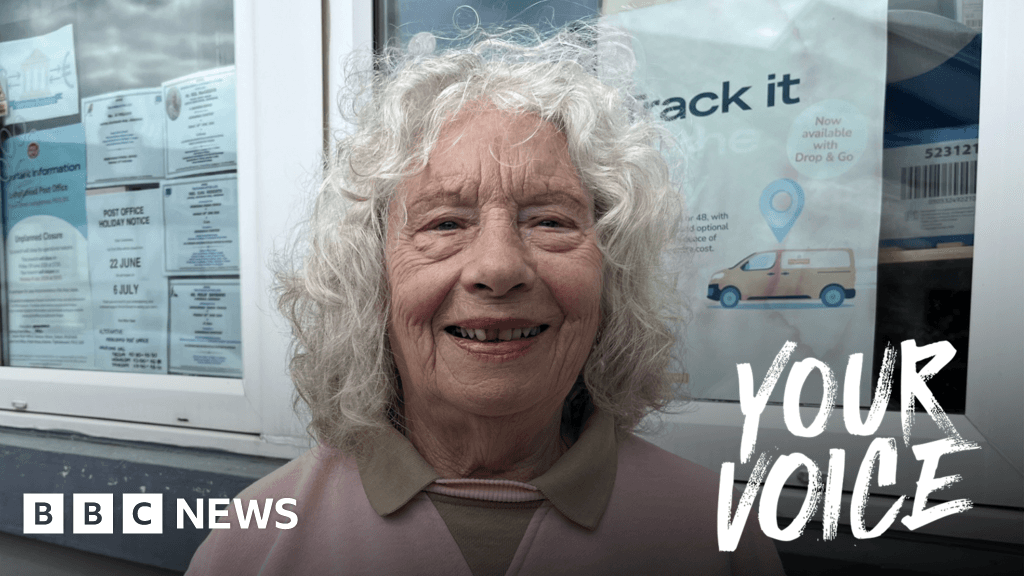
Residents in a remote town face banking challenges after the last bank closes.

Survey: 67% of UK Taxpayers Support Increased Levies on Big Tech

Far-right millionaire Abelardo de la Espriella wins Colombia’s presidential runoff against Iván Cepeda.
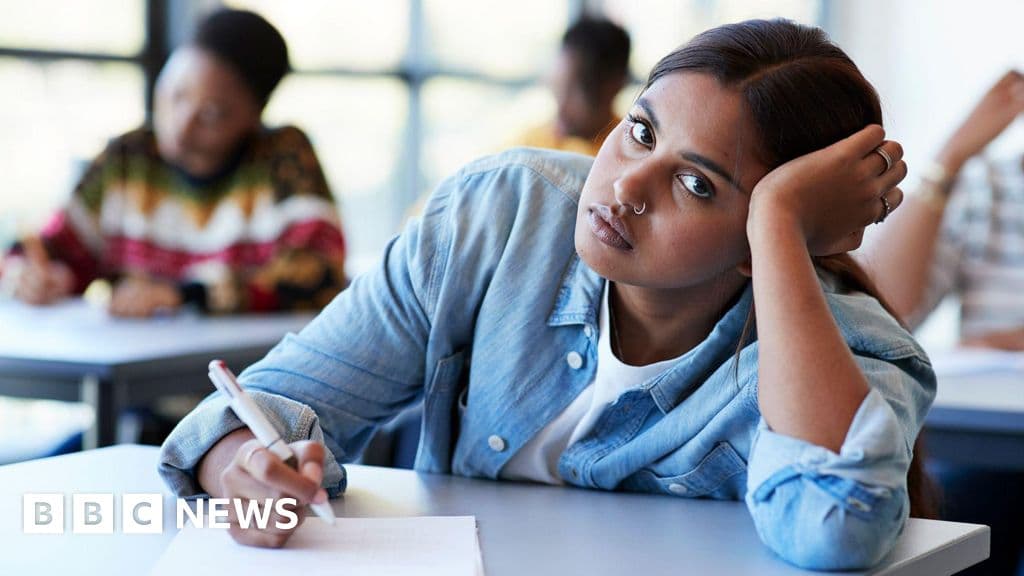
The decline of the Indian rupee and stricter visa regulations are causing Indian students to reconsider studying abroad. Many, like Pragati Priya, face increased financial burdens as they plan their education overseas.
See every story in News — including breaking news and analysis.
In an effort to stabilise the economy in February, the government sought $3.3bn in financial assistance from the International Monetary Fund, as first reported by Bloomberg. By March, the country’s finance minister claimed that the nation would make dollar bond coupon payments. That led to Moody’s raising the country’s credit rating.
That month, Bolivia’s inflation hit 15 percent, a 10 percent drop from a 25 percent peak last July.
However, other protests are also under way in Bolivia at the same time. A teachers’ union is calling for a state-funded “single free public education system”.
COB has called for an indefinite general strike.
“Starting today, a general, indefinite and active strike is declared, until the government understands the people’s demands,” COB’s Secretary-General Mario Argollo told a group of 1,000 supporters on Friday amid the calls for the protest in El Alto.
Among the demands are a 20 percent increase to the nation’s minimum wage, which currently sits at 3,300 bolivianos ($477.71) per month and took effect in January. That is an increase from 2,750 bolivianos ($398) set in 2025.
Paz pushed back on the demands last week.
“If you want to raise salaries, first create jobs,” Paz said in the city of Cochabamba on Friday.
The group also wants pension increases and cuts to salaries for government officials.