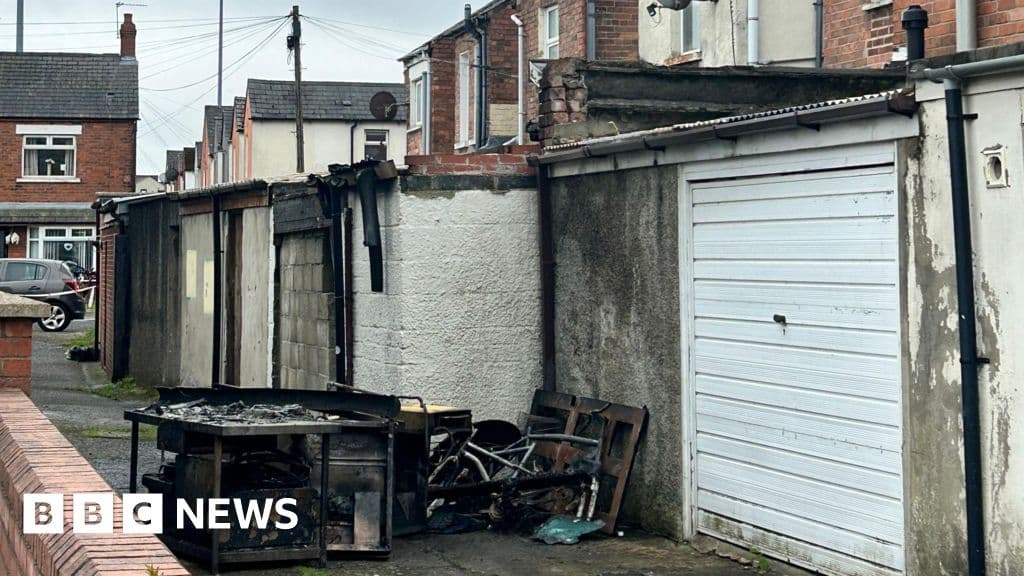
Nineteen now arrested over disorder with house targeted in arson
Nineteen people arrested, including a teen, after violence in Northern Ireland and an arson attack.
BBC News1 min read
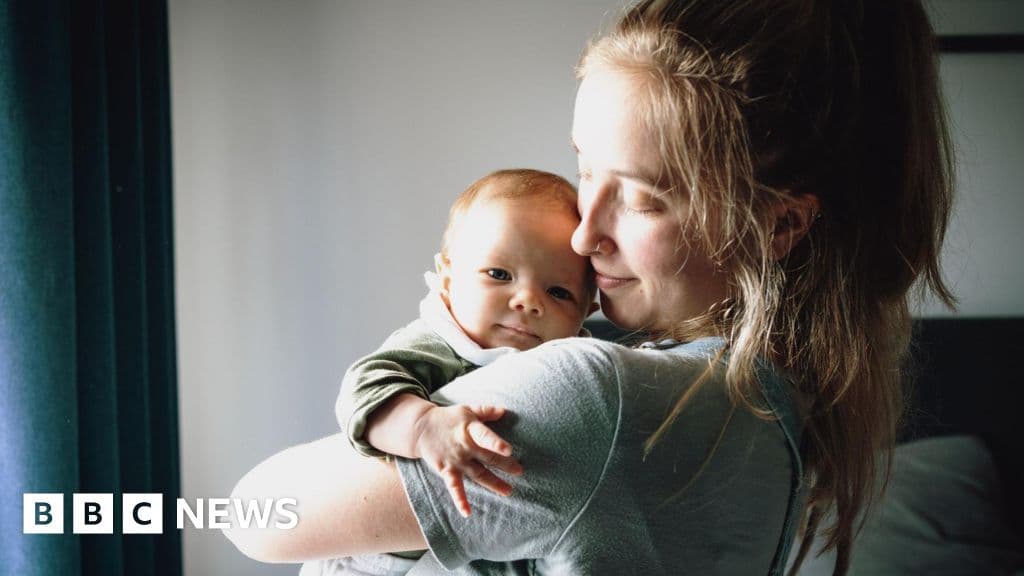
A pregnancy vaccine has reduced hospital admissions for newborns due to RSV by over 80%, according to UK health officials. The vaccine is offered to pregnant women starting at 28 weeks to protect their babies from severe respiratory infections.
A vaccine during pregnancy which protects newborns against nasty chest infections is cutting hospital admissions of babies by more than 80%, UK health officials say.
A virus, called RSV, affects many babies in the first few months of life and can leave them gasping for breath and struggling to feed, with more than 20,000 babies ending up seriously ill in hospital in the UK every year.
Since 2024, women have been offered a vaccine from 28 weeks of pregnancy to protect their newborns.
A new study analysing the impact of the vaccine shows it gives "excellent protection" to babies when they are most vulnerable to RSV, the UK Health Security Agency (UKHSA) says.
RSV (respiratory syncytial virus) is one of the main reasons young babies are admitted to hospital before the age of one.
Half of newborns catch the virus, which can cause anything from a mild cold to a life-threatening chest infection because of inflammation in the lungs. Small numbers die from it every year.
In babies with bad infections you can see their chest and lungs struggling, as they try to pull enough oxygen in, said Dr Conall Watson, national programme lead for RSV at the UK Healthy Security Agency.
"This is very, very frightening as a parent, frightening with good reason."
The new vaccine was introduced in the UK in 2024 after clinical trials showed it could boost a pregnant woman's immune system enough to pass on protection to the baby through the placenta.
This means babies born to vaccinated pregnant women are protected from the day they are born.
This new study shows the protection is nearly 85% when given at least four weeks before baby is born. Some protection is still possible if the jab is given later than this.
Even a two-week gap between vaccination and birth can be long enough to protect babies born a little early, the study shows.
"If you've got a longer interval between when the vaccine gets given and when baby is born, then you get even better protection," says Dr Watson.
"Get it on time. But if you can't, do get vaccinated all the way through the third trimester."
The study followed nearly 300,000 babies born between September 2024 and March 2025 in England - equivalent to about 90% of all births during that time.
More than 4,500 babies were admitted to hospital. The vast majority were infants whose mothers had not been vaccinated against RSV.
The vaccine didn't come in time for Laine Lewis's son Malachi, now 12 years old. He developed a cold as a baby which deteriorated so much that he was taken to hospital, diagnosed with RSV and put on oxygen. Malachi later stopped breathing and a scan soon after revealed brain damage.
The pregnancy vaccine reduces hospital admissions for RSV in newborns by more than 80%.
RSV, or respiratory syncytial virus, is a virus that can cause severe chest infections in babies, leading to difficulty in breathing and feeding.
The pregnancy vaccine is offered to women starting at 28 weeks of pregnancy.
More than 20,000 babies in the UK are hospitalized each year due to serious RSV infections.
Nineteen people arrested, including a teen, after violence in Northern Ireland and an arson attack.

Exploring the Historical Roots of Torture Against Palestinians

USA faces Paraguay in World Cup 2026 opener at SoFi Stadium!

Israel's new buffer zone in Lebanon could be an attempt to seize gas reserves.

China detains American researcher accused of spying amid Myanmar tensions

At 93, Moira Brown will attend her fourth World Cup, celebrating Scotland's qualification for the tournament after nearly 30 years. She'll cheer for her team during their group stage matches in the U.S.
See every story in News — including breaking news and analysis.
His mum has said it's important his story "doesn't scare people" because what happened to Malachi was very rare.
But she added: "I'd encourage people to take the vaccine for RSV because it will help their child."
Dr Watson said the vaccine could "make a big difference to keeping babies safe" through the winter.
"I would strongly encourage any pregnant woman to discuss it with their midwife, other health professionals, and be ready to have the vaccine at their week 28 appointment, or another vaccine appointment arranged soon after that."
Latest figures show around 64% of pregnant women in England are getting the RSV vaccine, but that falls to 53% in London.
The flu and whooping cough vaccines are also recommended during pregnancy.
Adults aged 75 or over, or who live in a care home for older adults, are also offered the RSV vaccine across the UK.