Poll: Americans draw a new line in the betting bonanza sweeping over Wall Street — politics.
TL;DR
A recent poll reveals that 44% of Americans believe betting on political events should be illegal, despite growing interest in prediction markets. Many express discomfort with wagering on outcomes related to politics, including elections and presidential actions.
Key points
- 44% of U.S. adults oppose betting on election outcomes
- Concerns about wagering on political events are widespread
- Prediction markets are gaining popularity in various sectors
- Poll conducted by Public First, a U.K.-based firm
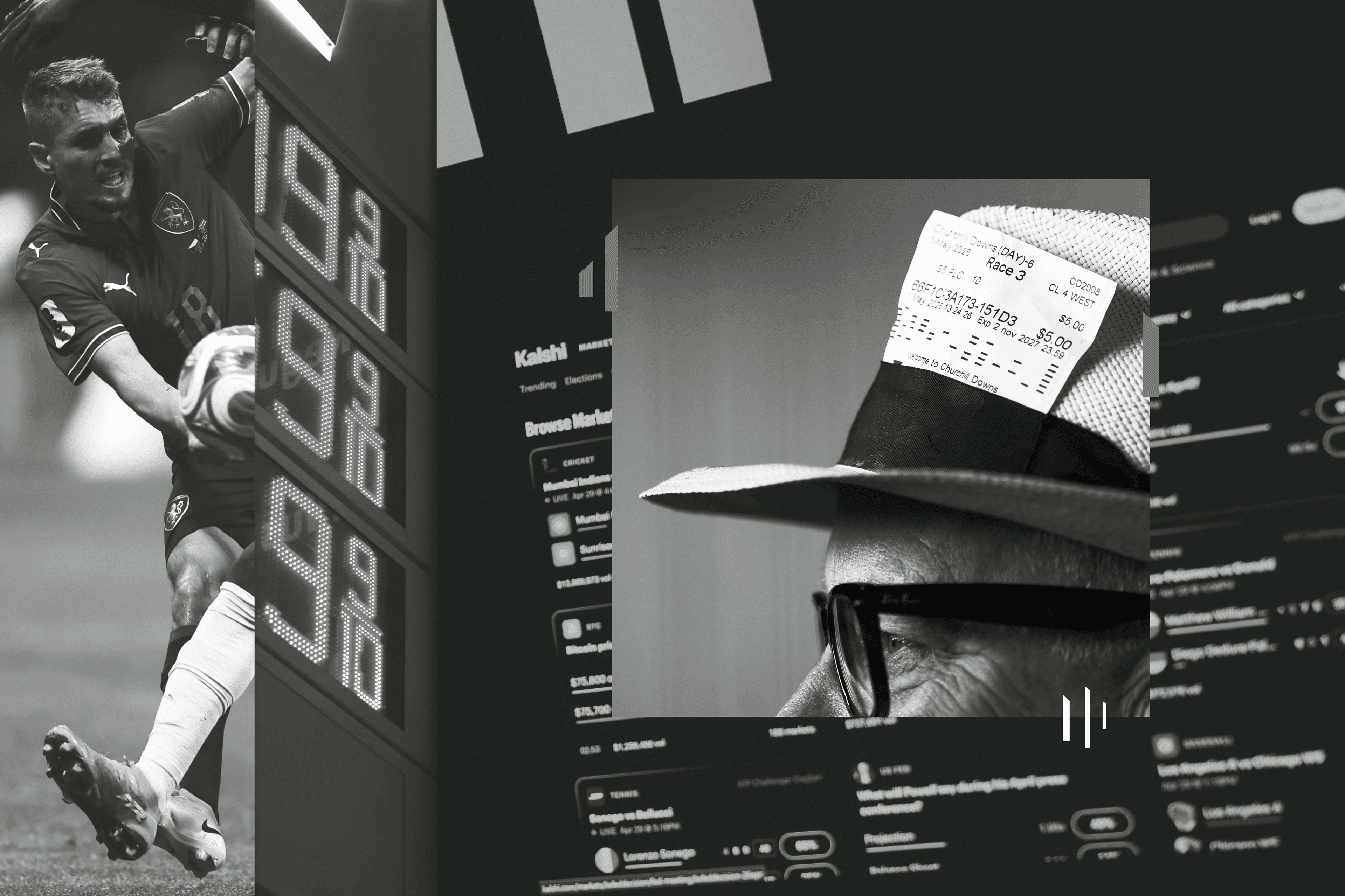
Americans have shown little hesitancy about betting on the World Cup, the weather in Dallas and the next James Bond through the prediction markets.
Yet, for many, politics is a step too far.
Results from The POLITICO Poll show that a large group of U.S. adults doesn’t believe wagering on political events like what President Donald Trump will say, who he will pardon, and the outcome of the 2028 presidential election should be legal.
The prediction markets are still new to much of the public, even after their meteoric rise in mainstream media, finance and politics. But as Kalshi, Polymarket and other such companies have opened the door to a world of betting on just about everything and anything, the poll’s results suggest a disquiet among many Americans about the flood of wagers — and especially when they relate to Washington.
Conducted by Public First, an independent U.K.-based polling firm, the survey found that a plurality of U.S. adults — 44 percent — said they believe that betting on election outcomes should be illegal. A similar share of respondents voiced concern about betting on what the president or other newsmakers will say, as well as who will receive a presidential pardon.
“These markets are not for everybody,” said John Aristotle Phillips, who leads the election-centric prediction market platform PredictIt. “People are going to object to certain areas, and they’re going to be somewhat sanguine about others.”
Prediction market proponents have argued that politically focused bets serve as a valuable source of information by offering a wisdom-of-the-crowds lens on the news of the day. The markets, they say, can also help consumers, corporations and small businesses offset the financial risk of a change in administration or the law.
And yet, the results could provide new fodder for those critics who fear that the wagering of millions of dollars on U.S. elections risks staining American democracy. Nearly $700 million has already traded hands on the 2028 presidential election markets from Kalshi and Polymarket’s international platform.
“It’s a bad bet for democracy,” Sen. Jeff Merkley, a Democrat from Oregon, told POLITICO. “If you allow election betting, you now have very affluent folks who can bet millions of dollars and simultaneously affect the outcome of an election through dark money. … That type of corruption in our elections is deadly.”
Kalshi declined to comment for this report. In a statement, Polymarket Deputy Chief Legal Officer Olivia Chalos said prediction markets “have become a foundational source of real-time information and forecasting, providing real-time probability signals across politics, sports, culture, economics, and current events to anyone seeking market information about future outcomes.” Chalos added that the company operates a U.S.-regulated venue that is subject to the same rules as other major financial exchanges.
The prediction markets are nothing new in the U.S. But for years, the Commodity Futures Trading Commission, a small but powerful financial regulator, blocked them from expanding in areas like elections over concerns about unleashing a torrent of betting in the U.S. financial markets.
And then, just weeks before Election Day 2024, a federal judge knocked down the CFTC’s arguments opposing a bid by Kalshi to offer the chance to wager thousands if not millions of dollars on the election. That opened the floodgates on regulated political betting in the U.S. — and the frenzy has only intensified since.
Day traders, political junkies and Wall Street giants are now taking to the prediction markets to wager on a seemingly ever-expanding slate of bets that covers sports, politics and pop culture. Kalshi and Polymarket have partnership agreements with the likes of CNN, The Wall Street Journal’s publisher and Major League Baseball, and boast valuations measured in the tens of billions of dollars. And the CFTC has adopted a far-friendlier posture to the industry’s growth under Trump and its new chair, Michael Selig.
The prediction markets still have a long way to go in winning over most Americans. More than 50 percent of Americans said they would not consider placing a bet on a prediction market, according to The POLITICO Poll.
Younger Americans, however, do find the markets to be of interest. Of those who were between 18 and 24 years old, 12 percent of respondents said they had placed a prediction-market wager —an identical finding for those who were between 25 and 34 years old. By comparison, just 6 percent of the broader group said they had done so. What’s more, 30 percent of those 18- to 24-year-olds said they’d consider placing a bet on a prediction market, compared to 17 percent of the total group.
Sports account for most of the trading activity on prediction markets today — and a major part of the fight swirling around them. States across the country, tribal organizations and entrenched interests in the gambling industry have argued that the companies are skirting existing sports-betting regulations, a charge that the prediction markets and the CFTC have firmly rejected. (The POLITICO Poll found that, when asked who should regulate the prediction markets, 28 percent of respondents said the federal government, versus 15 percent who said the states.)
But the markets have also swiftly expanded their political wagers, which now go well beyond the outcome of a presidential election and include down-ballot races, the fate of Cabinet secretaries and the passage of legislation. And those markets could become major drivers of the prediction market industry’s long-term growth, analysts at Bloomberg Intelligence wrote in a report this month.
The analysts called markets on politics, elections and public policy “the greatest opportunity” for Kalshi and Polymarket, estimating that those products could grow to see $266 billion in trading volume by 2030. That would represent 27 percent of the platforms’ volume, compared to 10 percent in early 2025, according to the report.
For Caleb Davies, a long-time prediction market trader who lives in Minnesota, political markets are critical. Polls, analyses and pundits, of course, offer some insight into what will happen in an election or with a pending bill, but Davies said, “it’s not the same as getting a whole bunch of smart people betting money.” He added that wagering on the passage of a major bill with sweeping economic implications, such as the repeal of the Affordable Care Act, can be critical as well.
“It’s a unique product,” he said.
Some offshore markets like Polymarket’s international platform even offer trading tied to the Iran war, though the CFTC outlaws U.S.-regulated prediction markets like Kalshi and Polymarket’s U.S. venue from such topics. A majority of those surveyed said that wagers on the outcomes of war and on terrorist acts should be illegal.
The poll was conducted just weeks after the Justice Department and CFTC charged a U.S. soldier with allegedly using confidential information to trade on the capture of then-Venezuelan leader Nicolás Maduro through Polymarket, a landmark case that has fanned concerns on Capitol Hill about insider trading in the prediction markets.
That war and terrorism bets would be unpopular was no surprise to PredictIt’s Phillips. But politics more generally, he said, does have a place in the prediction market landscape. And for Phillips, it’s not just about the traders — it’s also about the newsrooms, campaign strategists and broader public who are turning to the markets for clues as to the president’s agenda, whether a bill is going to pass and, of course, who is going to win an election.
“We’re in the early innings,” he said. “There are going to be hundreds or thousands of prediction markets around the globe — some of them are going to be very, very specific to a particular industry or human activity and others are going to be much broader. And there is a place for political prediction markets.”
Q&A
What percentage of Americans oppose betting on political events?
44% of Americans believe that betting on political events should be illegal.
Why are Americans concerned about betting on politics?
Many Americans feel uncomfortable with wagering on political outcomes, fearing it could undermine the seriousness of political discourse.
What types of political events are people betting on?
People are betting on events such as presidential pardons, election outcomes, and statements from political figures.
Who conducted the poll on betting and politics?
The poll was conducted by Public First, an independent polling firm based in the U.K.