
Ant Middleton backs Reform UK’s Robert Kenyon in Makerfield byelection
Ant Middleton's endorsement of Robert Kenyon sparks criticism in Makerfield byelection
The Guardian World1 min read
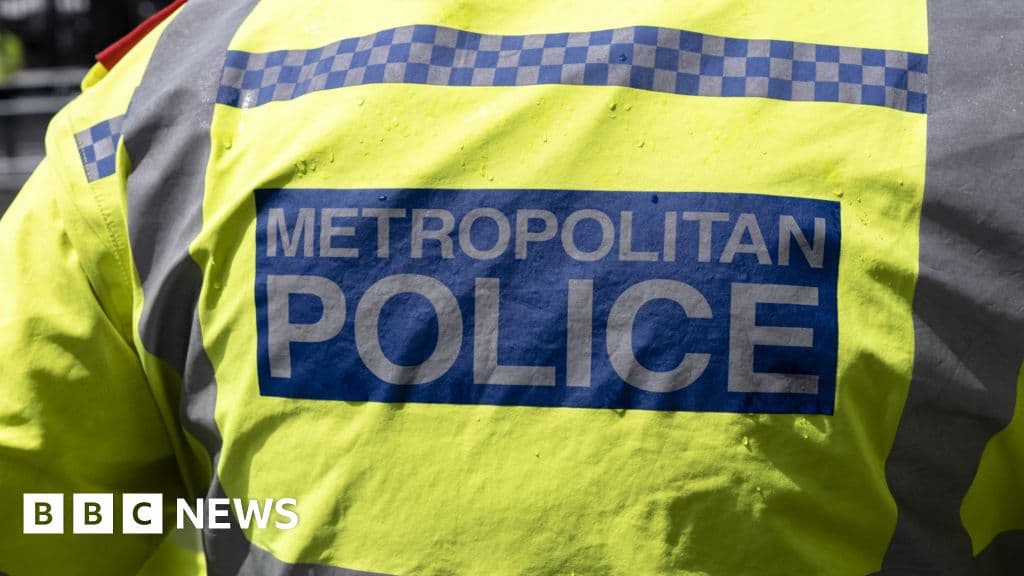
Metropolitan Police officers used personal phones to take photos of evidence, including a dead body, during a misconduct hearing. Officers claimed police-issued devices were inadequate for quality images, leading to disciplinary actions against two officers.
Mentioned in this story
Metropolitan Police officers used personal devices to take photos of evidence, including images of a dead body, a misconduct hearing has revealed.
Officers told an internal Scotland Yard investigation that they routinely used their own phones, and sent images via WhatsApp, because police-issued devices were not good enough to take quality photographs.
PC Billy Manning was found to have kept a picture of a dead man on his phone, which he later showed colleagues at a training session, the hearing was told.
The Met issued a written warning to Manning and to another officer, PC Frankie Jordan, who also kept photos of evidence on his phone, and apologised to anyone affected by the officers' actions.
The misconduct hearing heard that Manning was sent to an assisted residence for elderly people in Dalston, east London, where he and other officers discovered a resident who had died "some days or weeks earlier".
PC Zak Malik took photos of the dead man on his personal phone and sent them to Manning on WhatsApp.
Malik sent the images so he could reduce the file size and upload them to the Met's system, the hearing was told.
Manning deleted the photos from his iPhone library but did not delete them from his WhatsApp.
When Malik realised the photo was still on WhatsApp and warned Manning, he replied with three laughing face emojis.
At a training course at a Shoreditch police station the following year, Manning was discussing "difficult situations" with fellow officers and decided to show them the photo of the dead man, saying: "I've been to a bad one, I will show you the picture."
Two officers "felt very uncomfortable" and reported him.
Manning was then arrested and his mobile was seized. Other pictures were found relating to victims, suspects and evidence. He claimed what he did was "common practice".
It was also discovered that he was the creator of a WhatsApp group called "Away Days" containing sexist, homophobic, ableist and transphobic content.
Jordan, who also appeared at the misconduct hearing, was found with photos of evidence on his phone.
He said he "did not believe that he had done anything wrong" as officers "routinely took photos of evidence on their personal mobile phones".
He denied deliberately retaining images on his device, saying he forgot that they were there.
The misconduct panel heard evidence of "confused and conflicting guidelines" over whether Met officers could use their phones for work. Even the Met's senior leadership team had interpreted the guidelines differently.
Following the hearing, held between November 2025 and February 2026, Manning was handed a final written warning for a period of two years and Jordan received a final warning for three years. No criminal charges were pursued.
A Met spokesperson said: "The actions of PC Manning and PC Jordan were highly inappropriate and fell below the standards expected of them as an officer… We would like to apologise to those affected by the officers' actions and for any distress caused."
Metropolitan Police officers took photos of evidence, including a dead body, using personal devices instead of police-issued phones, which they deemed inadequate.
PC Billy Manning received a written warning for keeping a photo of a dead man on his phone, along with another officer, PC Frankie Jordan, who also stored evidence photos on his personal device.
The incident took place at an assisted residence for elderly people in Dalston, east London.
Ant Middleton's endorsement of Robert Kenyon sparks criticism in Makerfield byelection

Gulf states prepare for new security strategies as U.S.-Iran ceasefire nears.
Jude Bellingham set to start in No 10 role for England's World Cup opener, but Marc Guehi is out.

Sam Bankman-Fried loses appeal to overturn fraud conviction and prison sentence

US judge permits UFC fight at White House for Trump's birthday celebration

Venezuela raises alarm over oil spill from Trinidad and Tobago, threatening ecosystems and fishing.
See every story in News — including breaking news and analysis.
Listen to the best of BBC Radio London on Sounds and follow BBC London on Facebook, X and Instagram. Send your story ideas to hello.bbclondon@bbc.co.uk