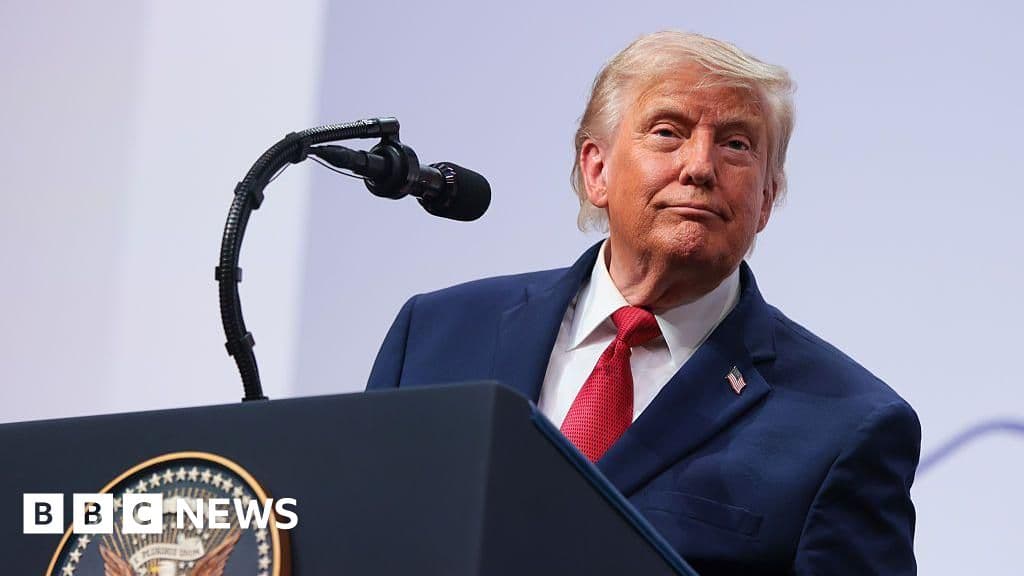
What's in the US-Iran agreement?
US-Iran Memorandum of Understanding aims to end conflict and extend ceasefire.
BBC News1 min read

OPEC+ has announced a symbolic increase in oil output by 188,000 barrels per day for June amid disruptions in Gulf supplies due to the US-Israel war on Iran. The decision reflects the group's commitment to market stability despite the UAE's recent exit from OPEC+.
Mentioned in this story
OPEC+ has agreed to a modest, largely symbolic oil output increase for June as the United States-Israel war on Iran disrupts Gulf supplies through the Strait of Hormuz.
“In their collective commitment to support oil market stability, the seven participating countries decided to implement a production adjustment of 188 thousand barrels per day,” OPEC+ said in a statement, making no mention of the United Arab Emirates, which quit the body on Friday.
“The seven OPEC+ countries also noted that this measure will provide an opportunity for the participating countries to accelerate their compensation.”
The statement was issued after the seven countries – Algeria, Iraq, Kazakhstan, Kuwait, Oman, Russia and Saudi Arabia – met virtually on Sunday to “review global market conditions and outlook”.
The move is designed to show the group is ready to raise supplies once the war stops and signals that OPEC+ is pressing on with a business-as-usual approach despite the departure of the UAE, OPEC+ sources said, according to the Reuters news agency.
Top OPEC+ producer Saudi Arabia’s quota will rise to 10.291 million barrels per day (bpd) in June under the agreement, far above actual production. The kingdom reported actual production of 7.76 million bpd to OPEC in March.
OPEC+ has 21 members, including Iran. But in recent years, only the seven nations plus the UAE have been involved in monthly production decisions.
The UAE, one of the world’s top producers, announced on Tuesday that it would withdraw from the Organization of the Petroleum Exporting Countries and the expanded OPEC+ group after chafing at their production quotas.
Neither group has reacted publicly so far, making the lack of any mention of the UAE in Sunday’s statement notable.
The Iran war, which began on February 28, and the resulting closure of the Strait of Hormuz have throttled exports from OPEC+ members Saudi Arabia, Iraq and Kuwait, as well as from the UAE. Before the conflict, these producers were the only countries in the group able to raise production.
Even when shipping through the Strait of Hormuz reopens, it will take several weeks, if not months, for flows to normalise, oil executives from the Gulf and global oil traders have said.
The supply disruption has propelled oil prices to a four-year high of more than $125 per barrel as analysts begin to predict widespread jet fuel shortages in one to two months and a spike in global inflation.
Crude oil output from all OPEC+ members averaged 35.06 million bpd in March, down 7.7 million bpd from February, OPEC said in a report last month. Iraq and Saudi Arabia made the biggest cuts due to constrained exports.
OPEC+ is increasing oil output to support market stability amid disruptions caused by the US-Israel war on Iran.
The countries participating in the output increase are Algeria, Iraq, Kazakhstan, Kuwait, Oman, Russia, and Saudi Arabia.
OPEC+ is increasing its oil output by 188,000 barrels per day.
US-Iran Memorandum of Understanding aims to end conflict and extend ceasefire.

A British yacht, Bright Future, faced a standoff with a Russian frigate, Admiral Grigorovich, which fired warning shots near the Isle of Wight. The incident highlights tensions at sea and has garnered significant media attention.

Trump's Iran peace plan claims to avert worldwide depression with major concessions.

Dan Evans will have to qualify for Wimbledon singles after missing out on a wildcard.

Trump's DOJ nominee calls January 6 an 'event' not an 'attack'
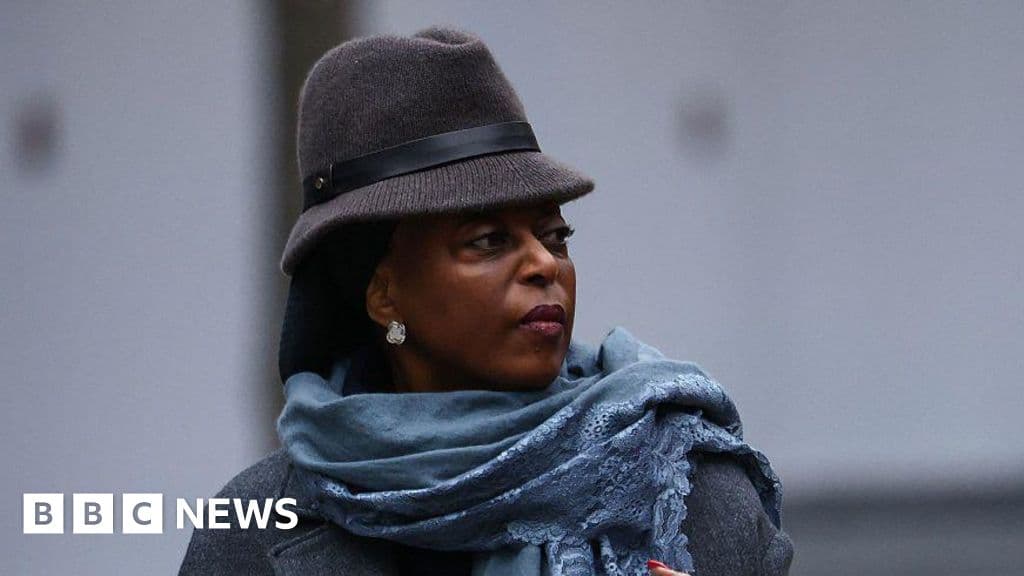
Former Nigerian oil minister Diezani Alison-Madueke acquitted of bribery charges in UK trial.
See every story in News — including breaking news and analysis.