
NPR's new chief content officer: 'I've been training for this job my whole life'
NPR appoints Nadine Zylstra as chief content officer to expand digital audience
NPR Topics: News1 min read

Motorists in New South Wales using medicinal cannabis may soon drive without severe penalties, as the government plans to introduce legislation allowing THC up to a certain threshold. Drivers must register their prescription and will face temporary bans if they test positive.
Mentioned in this story
Motorists who use medicinal cannabis may soon be able to drive on New South Wales roads without fear of a severe penalty as the Minns government announces long-awaited reforms.
The government announced on Thursday it would introduce legislation which would see drivers with a medicinal cannabis prescription no longer face a three-month licence suspension or fine for having the THC component of cannabis in their system.
Under the proposed new system, drivers with a full licence can drive with THC up to a threshold. However, if the driver – who will be required to register that they have a prescription with Transport NSW – returns a positive test they will still face a 24-hour ban while a laboratory tests the results.
If the lab result shows the person’s THC levels were above the allowed threshold, they will receive a warning on the first and second occasion to give them an opportunity to adjust their use. If it happens a third time within two years, the person will face a minimum three-month licence suspension and a $704 fine.
The government noted in its announcement that 1 million Australians use medicinal cannabis and up to a third of those people are in NSW.
“For thousands of people, medically prescribed cannabis is life-changing medication that is necessary for people to go about their daily lives,” the premier, Chris Minns, said.
Sign up for the Breaking News Australia email
“These changes strike a careful balance of providing a more practical approach for medicinal cannabis users while maintaining strong road safety protections for the community.”
One of those people will be Michael James who served 15 years in the Australian army and lives in regional NSW. He has a prescription to manage his PTSD and chronic pain. He stopped driving after he was fined $600 at a roadside stop for having THC in his system, despite not having used his medication for more than 12 hours.
“I hadn’t taken my medication for over 12 hours. I was not impaired. Yet under NSW law I was treated like a criminal,” James said. “Cannabis makes me safer on the roads, not riskier.”
Dr Will Tregoning, the chief executive of Unharm, said “patients tell us constantly about the toll of these outdated laws – jobs lost, independence lost, the impossible choice between their health and their licence.”
The organisation is calling on regional NSW MPs to back the legislation, arguing it is their constituents who are affected by the current laws the most as driving is the only way to reach essential services and family.
“Reforming this law is also good for road safety: in some cases the current law has made roads less safe by forcing patients off medication that was helping them sleep,” he said.
The proposed laws will allow drivers with a medicinal cannabis prescription to drive with THC levels below a certain threshold without facing a three-month licence suspension.
Motorists will be able to drive with THC in their system as long as they register their prescription and stay below the allowed threshold, avoiding severe penalties.
If a driver tests positive, they will face a 24-hour ban while their results are tested, and may receive warnings or penalties based on their THC levels.
Approximately 1 million Australians use medicinal cannabis, with up to a third of them residing in New South Wales.
NPR appoints Nadine Zylstra as chief content officer to expand digital audience

Israel and Iran have returned to conflict, threatening peace efforts led by Trump.

Parents of Nottingham attack victims urge medical staff to breach confidentiality if patients pose risks to others. They claim local authorities failed to act on warnings about the attacker, Valdo Calocane, before the June 2023 stabbings.
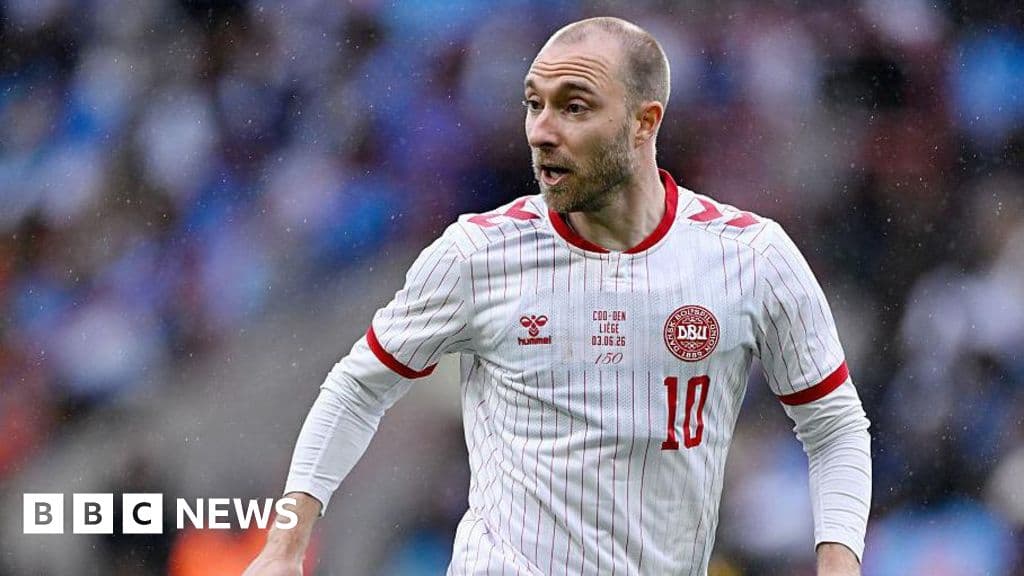
Christian Eriksen recovers after heart device activates during match.

Sean McGovern, a senior Kinahan cartel figure, gets 24 years in prison for directing criminal activities.

Norway's Stale Solbakken brands Scotland's Steve Clarke 'unprofessional' after friendly cancellation.
See every story in News — including breaking news and analysis.
Prof Iain McGregor, anacademic director of the Lambert Initiative for Cannabinoid Therapeutics at the University of Sydney, said that THC can be detected in the body for weeks after cannabis use but research shows impairment typically clears within hours.
“We’ve also shown that THC concentrations in blood and saliva are poor and inconsistent indicators of impairment. Prosecuting patients on the basis of THC presence in saliva, long after any effect has worn off, is manifestly unjust,” he said.
In November, the independent MP for Sydney, Alex Greenwich, moved a motion that was co-signed by Jeremy Buckingham from the Legalise Cannabis party calling for the government to enact a legal defence for drivers who use medicinal cannabis.
Greenwich welcomed the government’s announcement, saying it prioritises road safety while also allowing users to drive again.
“As someone who is a medicinal cannabis patient, I know first-hand the positive benefits it can have for my sleep and anxiety management,” he said. “As an MP, I’ve also heard from people across NSW whose lives have been unfairly limited by laws that have not kept pace with modern medicine.”