
Prospect of Labour leadership race brings out different sides of rivals
Labour party faces internal strife as leadership contenders emerge.
The Guardian World1 min read

Eli Lilly's new weight-loss drug, retatrutide, has shown significant results, helping participants lose an average of 28% of their body weight in a trial. The drug outperformed existing obesity medications, with some participants losing up to 70.3 lbs over 80 weeks.
Mentioned in this story
A new weight-loss drug has helped participants in a sizable trial lose much more weight than other obesity drugs already on the market – up to an average of 28% of their body weight – Eli Lilly announced Thursday.
The Indiana-based pharmaceutical company in a press statement said that retatrutide, a once-weekly triple hormone receptor agonist, led to an average weight loss of 70.3lbs (28.3%) over 80 weeks among participants receiving the 12mg dose, with 45.3% achieving at least 30% weight loss.
In Eli Lilly’s phase three trial, 2,339 adults who have obesity or are overweight, have at least one weight-related comorbidity, and have no diabetes were randomized to receive retatrutide in doses of 4mg, 9mg, 12mg, or a placebo. Over 80 weeks, participants receiving the highest doses achieved substantial weight loss, the company said.
Patients taking 9mg and 12mg of retatrutide lost an average of 64.4lbs (25.9%) and 70.3lbs (28.3%), respectively. Meanwhile, patients on the 4mg dose lost 47.2lbs (19.0%) despite only a single dose-escalation step.
“This is the largest weight loss I’ve ever seen in any medication trial,” Dr Susan Spratt, an endocrinologist and the senior medical director for the Population Health Management Office at Duke Health in North Carolina told NBC News. “This is huge.”
The company also reported that 65.3% of participants on the 12mg regimen reduced their BMI below 30 – the clinical cutoff for obesity – including 37.5% of individuals who began the trial with a BMI of 40 or higher.
Based on Eli Lilly’s trial, weight loss with retatrutide appears to exceed what has been typically possible with other weight-loss medications, including Eli Lilly’s own Zepbound and Novo Nordisk’s Wegovy. On Zepbound, users can expect to lose an average of 15% to 20%of starting body weight over 72 weeks. On Wegovy, users can expect to lose an average of 14% to 19% of starting body weight gradually over 64 to 72 weeks.
While some weight-loss drugs, like Wegovy, now also come in a pill form, retatrudtide and Zepbound are injected once a week with the dose increasing incrementally over time.
Retatrutide is a GLP-1, like Wegovy and Zepbound, and a GIP (glucose-dependent insulinotropic polypeptide), like Zepbound, but it also includes a hormone that none of the other weight loss drugs on the market have: glucagon, a hormone produced by the pancreas that raises blood sugar levels to prevent them from dropping too low. The three hormones working together help with your metabolism, controlling appetite, and maintaining energy.
Retatrutide is a once-weekly triple hormone receptor agonist developed by Eli Lilly, designed to aid weight loss by targeting multiple hormonal pathways.
Participants in the trial lost an average of 70.3 lbs, which is approximately 28% of their body weight, with 45.3% achieving at least 30% weight loss.
In the phase three trial, 2,339 adults lost significant weight over 80 weeks, with those on the highest doses losing up to 70.3 lbs.
Retatrutide has outperformed existing obesity drugs, achieving the largest weight loss seen in any medication trial, according to experts.
Labour party faces internal strife as leadership contenders emerge.

Stuart Broad surprised by Ollie Robinson's recall for England's Test against New Zealand.


Critics Say US Travel Ban on DRC, Uganda, South Sudan Isn't the Solution to Ebola Outbreak
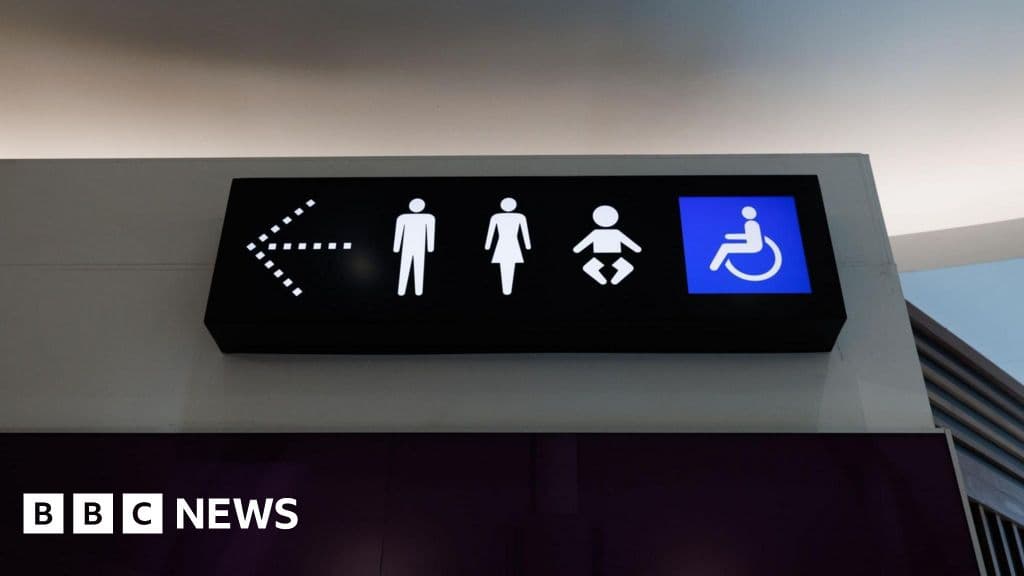
New guidance confirms single-sex spaces must be used based on biological sex, affecting trans individuals.

James Roscoe, a top diplomat who recently left the British embassy in Washington, has been honored by King Charles. His departure is under investigation due to a leak related to UK national security discussions.
See every story in News — including breaking news and analysis.
Outside the weight loss, patients using retatrutide did report various side effects associated with the drug. Nausea was reported in 28.6% of participants receiving the 4mg dose, 38.4% on 9mg, and 42.4% on 12mg, compared with 14.8% in the placebo group. Other side effects included diarrhea which affected 25.2%, 34.1%, and 32.0% of patients across the three dose groups, versus 13.5% on placebo. Constipation was reported by roughly one-quarter of treated patients compared with 10.9% of those receiving placebo.
Vomiting also increased with dose escalation, occurring in up to one in four patients on the highest dose, compared with 4.8% in the placebo group. Upper respiratory tract infections were reported in 14.2% of patients receiving 4mg of retatrutide, 12.2% on 9mg, and 13.1% on 12mg, compared with 11.6% in the placebo group.
“It was impressive to see that every dose of retatrutide resulted in clinically meaningful weight reduction for nearly all participants, and people with severe obesity on the highest dose lost on average 30% of their body weight over two years,” said Ania Jastreboff, a medicine and pediatrics professor at the Yale School of Medicine who led the study, in a statement accompanying the press release.
“Importantly, treatment with retatrutide not only resulted in robust weight reduction, but also in clear improvements in assessed cardio-metabolic health measures.”
With the recent rise in popularity of weight-loss drugs, emerging research suggests that GLP-1 receptor agonists may offer benefits beyond weight loss, including preventing anxiety and depression from worsening, as well as reducing sickness-related absences from work by nearly half.
Retatrutide also showed significant improvements from baseline in several cardiovascular risk factors including HDL cholesterol, triglycerides and systolic blood pressure, Eli Lilly said.