
Why you should care about 2 power companies merging. Hint: affordability
NextEra Energy announces $67 billion merger with Dominion Energy amid rising electricity demand.
NPR Topics: News1 min read
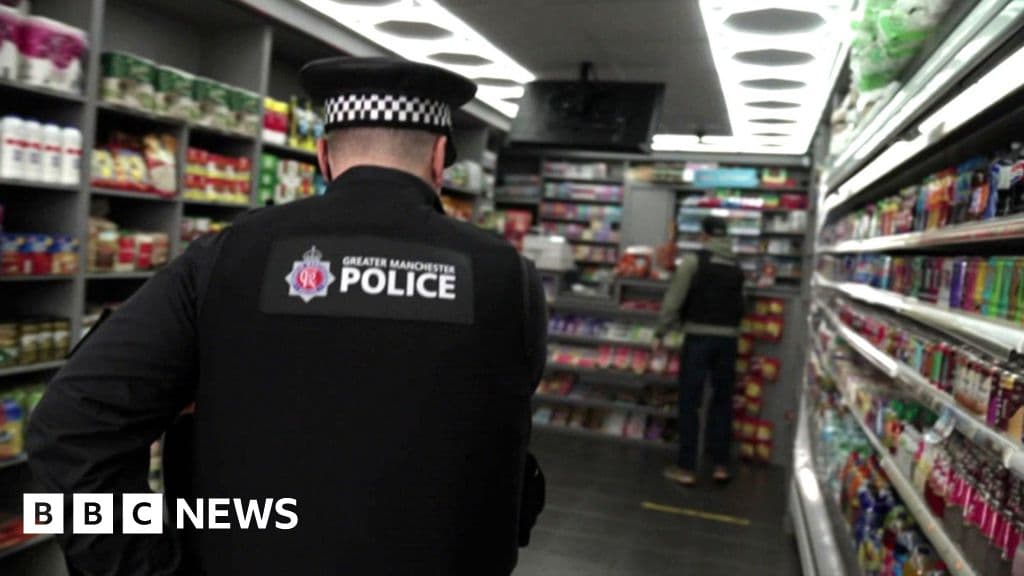
The UK government has launched a £30m High Street organised crime unit following a BBC investigation into illegal shops linked to drug gangs and exploitation. The initiative aims to enhance law enforcement and support trading standards over the next three years.
A new £30m High Street organised crime unit has been announced by the government after the BBC's year-long investigative reporting into illegal mini-marts, vape shops and barbers.
Over 12 months BBC News exposed drug gangs, child sexual exploitation reports, money laundering, immigration crime, and ghost directors linked to shop fronts selling illegal cigarettes and illegal vapes.
The law enforcement response will be run across the UK by the National Crime Agency (NCA) over the next three years - with a cash boost for trading standards.
The Chartered Trading Standards Institute (CTSI) suggested cuts to its members' resources under previous governments had helped allow serious and organised crime to gain foothold in High Streets.
The government has also pledged to carry out a review on how to strengthen law enforcement powers - as well as consulting on extending the length of closure orders to shut criminal businesses down for longer, an area the CTSI said needed to be changed.
Under the government plans:
The NCA estimates that at least £1bn of criminal cash is laundered through High Street stores the UK each year through businesses connected to the sale of fake goods, tax evasion, illegal working, and illegal drug supply.
Home Secretary Shabana Mahmood said: "We are hitting back with a nationwide crackdown to shut these fronts down, seize dirty cash and drive organised crime off our high streets and put bosses behind bars."
Proposals for the High Street organised crime unit - which will be overseen by Security Minister Dan Jarvis - were originally outlined in the 2025 Autumn Budget but the government has now released more details.
Over the course of 12 months, BBC News has gone undercover to expose the shocking reality of organised crime taking over our High Streets leading to an "urgent" Home Office investigation, multiple arrests across the country and pledges to change the law.
In April 2025 the BBC joined the NCA as it raided barbers, mini-marts and vape shops in response to growing intelligence reports that some of these shops are being used for money laundering and illegal working.
In May and June last year the team found secret underground tunnels supplying sacks of illegal cigarettes to High Street mini-marts in Hull, with authorities warning us that there is a "war" against organised crime that they can't win, with the profits from counterfeit tobacco now rivalling "heroin and cocaine" in a black market worth up to £6bn a year.
The new High Street crime unit aims to combat organised crime linked to illegal shops, including drug trafficking and exploitation.
The government has allocated £30 million to the High Street organised crime unit.
The investigation revealed links between High Street shops and drug gangs, child exploitation, money laundering, and the sale of illegal products.
The government plans to review and potentially extend the length of closure orders to shut down criminal businesses more effectively.
NextEra Energy announces $67 billion merger with Dominion Energy amid rising electricity demand.
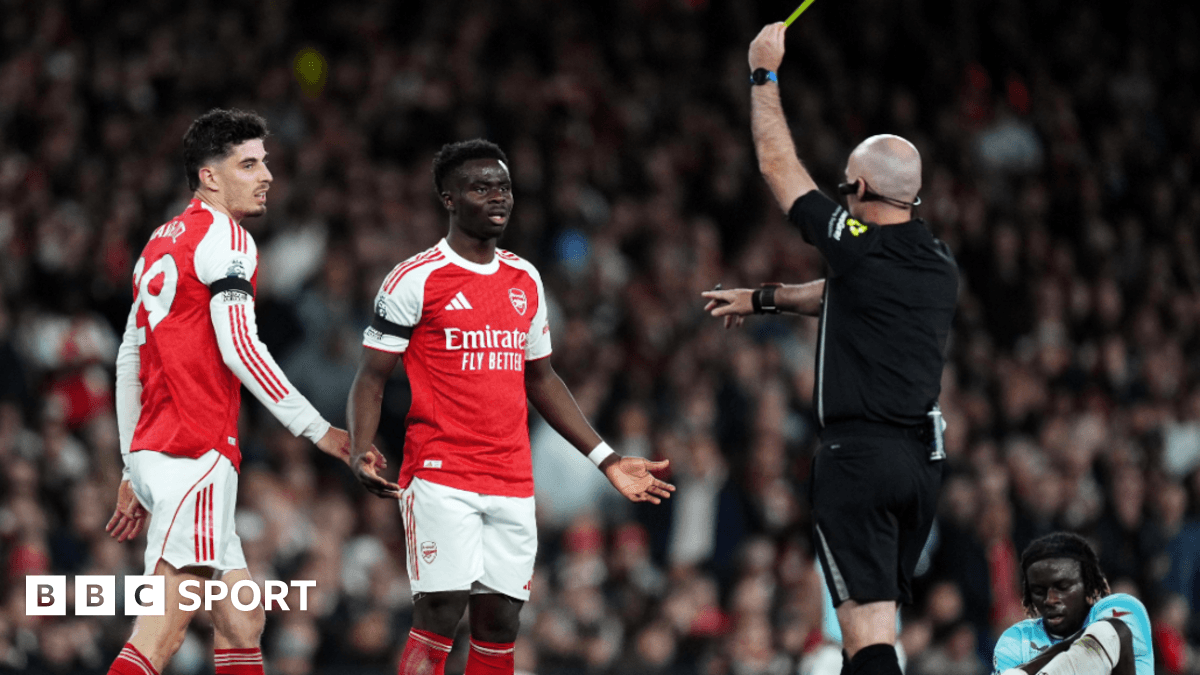
Havertz scores but nearly sees red in Arsenal's win over Burnley

Jonno Duniam defends welfare limits for citizens, claiming it incentivizes citizenship.
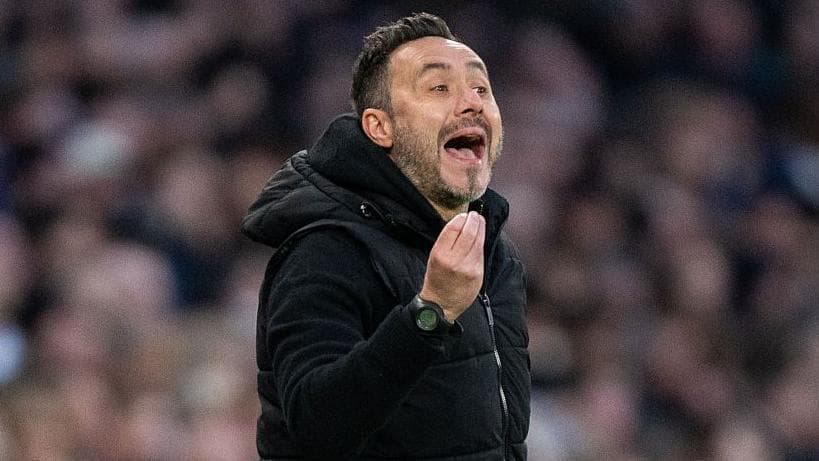
De Zerbi says rival fans wanting Spurs relegated motivates the team.

UK government launches £20m unit to tackle dodgy shops laundering £1bn

Pep Guardiola's legacy will resonate in football for generations.
See every story in News — including breaking news and analysis.
The then Immigration Minister, Seema Malhotra, described what the BBC had found as a "national scandal" and the then-Home Secretary Yvette Cooper later said it was a "disgrace".
In July, mass Freedom of Information requests revealed for the first time that 3,700 illegal shops had operated across the UK.
In November last year, we exposed asylum seekers buying and selling High Street mini marts for cash, criminal kingpins erasing £60,000 illegal working fines, and exposed a Kurdish organised crime gang operating on High Streets the length of Britain.
In response to our investigations, Mahmood launched an "urgent" investigation led by the National Crime Agency (NCA), Immigration Enforcement, HMRC and police forces from across the country. She said the BBC's evidence proved that "the system was broken" and demonstrated a pull factor in the small boat crisis.
This year, in March a senior council worker repeatedly shared with West Midlands authorities reports of children as young as 11 being sexually abused in High Street mini-marts and last month undercover reports exposed how cocaine, cannabis, laughing gas and prescription pills were being offered for sale. One street we visited in the West Midlands was described as "lawless" by an anonymous law enforcement source.
In response, Prime Minister Sir Keir Starmer said the government was "absolutely focused" on tackling such criminality, pledging stronger powers and more police officers to do so.
The NCA said 950 people have been arrested and more than £10m worth of goods seized over the past 18 months and the new unit would help it target and disrupt more "high harm offenders".
Sal Melki, deputy director of illicit finance at the NCA, said: "This criminal activity makes our communities less safe and less prosperous.
"It undermines legitimate business, deprives public services of tax revenues, and fuels a range of predicate offences such as the drugs trade, illicit goods, trafficking, and organised immigration crime."
Lord Bichard, chairman of National Trading Standards, said the unit would "help drive a coordinated national response while strengthening local enforcement capability".
John Herriman, chief executive of the CTSI, told the BBC that cuts of about 50% had been made to trading standards resources between 2011 and 2023.
He said there was a "sense" that the situation on High Streets "has been getting worse and worse for a number a years," adding: "That is pretty demoralising."
"This funding is the start of that fight-back process," he said.
Currently courts can order shops to be closed for three months. Herriman said the CTSI wants new powers to be brought in to raise the limit to 12 months, with a complete ban possible for the worst offenders.
Responding to the government plans, the Conservatives said Labour had "done more damage to our High Streets than 75 officers can fix".
Chris Philp MP, Shadow Home Secretary, said there were fewer police officers as well as "anti-business legislation" under the government.
"Crime and antisocial behaviour are at unacceptably high levels, every day, too many people witness things that anger and alarm them," he said, adding a Tory government would aim to put extra police officers on the streets.
Get our flagship newsletter with all the headlines you need to start the day. Sign up here.