
Muslims begin the annual Hajj against a backdrop of war concerns
Hajj pilgrimage kicks off in Mecca with war concerns looming
NPR Topics: News1 min read

Millions of households in Great Britain are facing energy bill anxiety as costs are projected to rise to nearly £1,900 this summer. The typical dual-fuel bill is expected to increase by 13%, adding £209 annually, prompting calls for government action.
Ministers face growing calls to cut utility bills as millions of households in Great Britain face energy cost “anxiety,” with gas and electricity costs forecast to rise to almost £1,900 from this summer.
The typical dual-fuel bill is expected to climb by nearly 13% under the government’s energy price cap, adding £209 a year to household costs, in a blow to families already hit by rising prices for essentials.
Higher energy bills are expected to weigh on households through the summer months after the Iran war caused the UK’s gas market price to double earlier this year, according to market experts at the consultancy Cornwall Insight.
They warned that the quarterly price cap is likely to remain above pre-crisis levels into early winter even if tensions ease, leaving households exposed to elevated costs as demand for heating rises in colder months.
Craig Lowrey, the principal consultant at Cornwall, said that unless the price cap drops in the autumn, the government “will need to think seriously about targeted support for the most vulnerable”.
Rachel Reeves last week announced a package of measures to cut the cost of living but has not so far offered support for domestic energy costs. She told MPs on Thursday that Treasury officials were working up contingency plans ahead of the winter; but that any support scheme for households would be “targeted and temporary”.
Instead the chancellor announced what the Treasury is calling “Great British summer savings” by reducing VAT on tickets for attractions and children’s meals. The savings will come into effect a few days before the energy price rise, to coincide with the start of the summer holiday season.
Campaigners expressed disappointment that she had not taken action on energy bills. “We had hoped that the predictions of a huge rise in the price cap could have been the moment for ministers to show they are prepared to go further and faster in their determination to bring down bills,” said Simon Francis, of Fuel Poverty Action Campaign.
He said the delay in announcing support “may cause anxiety among households who pay on direct debit and who could see energy firms increase their payments now to take into account likely higher costs this winter”.
The Treasury has insisted that it is too soon to act, however, with the scale of winter price increases as yet unclear, and dependent on whether a peace deal between the US and Iran reopens the strait of Hormuz.
The unit price of electricity is expected to rise to 26.03p per kilowatt hour from July, while gas will rise to 7.16p/kWh, according to Cornwall Insight forecasts, meaning household bills will vary depending on how much energy is consumed.
The regulator, , is considering whether to lower its assumptions for how much energy the average home uses, which means the new cap may appear similar to the current cap when it is announced on Thursday, even though the unit rate is likely to be much higher.
Energy bills for households in Great Britain are expected to rise to nearly £1,900 this summer, with a 13% increase in the typical dual-fuel bill.
Energy prices are increasing due to the doubling of the UK’s gas market price earlier this year, influenced by the ongoing Iran war.
The government's energy price cap is set to increase, adding £209 to household costs annually, which is a significant burden for families already facing rising prices.
Experts suggest that if the price cap does not drop in the autumn, the government may need to consider targeted support for the most vulnerable households.
Hajj pilgrimage kicks off in Mecca with war concerns looming

NHS spends record £241m on outsourcing scan analysis to private firms due to staffing issues.

Historic launch: Hong Kong astronaut Li Jiaying aboard Shenzhou-23
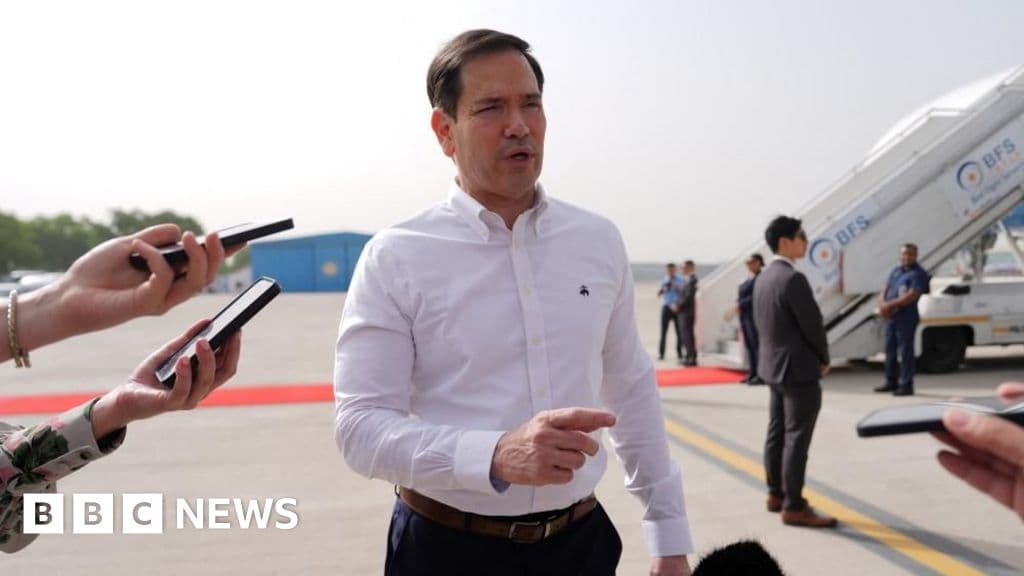
Marco Rubio suggests a solid Iran deal could be finalized on Monday, involving a ceasefire and nuclear talks.

Singapore's economy beats expectations with 6% growth in Q1 despite Iran war fallout.

Paul Brereton steps down as Australia's first national anti-corruption commissioner
See every story in News — including breaking news and analysis.
A government spokesperson said: “We know families will be concerned about the impact the conflict in the Middle East will have on their energy bills. Tackling the affordability crisis is our number one priority. The lesson of yet another fossil fuel crisis is the UK needs to get off the fossil fuel rollercoaster and on to clean, homegrown power we control.”