
Muslims begin the annual Hajj against a backdrop of war concerns
Hajj pilgrimage kicks off in Mecca with war concerns looming
NPR Topics: News1 min read

Marco Rubio stated that the US-Iran agreement is 'pretty solid' as oil prices decline. He emphasized Israel's right to defend itself amid ongoing strikes between Israel and Hezbollah during a ceasefire.
Mentioned in this story
Marco Rubio also told reporters in New Delhi that “Israel always has a right to protect itself”.
“If Hezbollah is going to launch missiles or launches missiles at them, Israel has every right to respond to that, or to prevent that from happening,” the US secretary of state was quoted as saying.
double quotation markThat’s always been understood. It’s being understood during the ceasefire.”
Israel and Hezbollah have continued trading strikes during the US-brokered ceasefire between Israel and Lebanon, which began on 16 April and was recently extended by 45 days.
The potential deal between the US and Iran to their war also reportedly requires Israel to end its offensive in Lebanon.
Israeli prime minister Benjamin Netanyahu said on Sunday that Donald Trump had reaffirmed his support for Israel’s right “to defend itself against threats on all fronts, including in Lebanon”.
Hello and welcome to the Guardian’s continuing coverage of the crisis in the Middle East.
US secretary of state Marco Rubio said on Monday that a deal to end the war with Iran could materialise “today”.
His comments came after oil prices plunged and Asian shares rose earlier in the day amid optimism that the US and Iran were close to an agreement that might secure a lasting end to the three-month war and reopen the strait of Hormuz. Oil prices hit a two-week low, with Brent crude futures falling 4.5% to $98.83 a barrel by 11.50pm GMT.
“We thought we might have some news last night, maybe today – I wouldn’t read too much into it,” Rubio said in New Delhi of a potential agreement.
“We have what I think is a pretty solid thing on the table in terms of their ability to open up the straits,” he said. “It has a lot of support in the Gulf.”

Marco Rubio described the US-Iran agreement as 'pretty solid' during a press briefing in New Delhi.
The ceasefire between Israel and Lebanon, which began on April 16, has seen continued strikes between Israel and Hezbollah despite being recently extended by 45 days.
Israel maintains that it has the right to protect itself and respond to any missile attacks from Hezbollah.
The potential US-Iran deal reportedly requires Israel to cease its offensive actions in Lebanon.
Hajj pilgrimage kicks off in Mecca with war concerns looming

NHS spends record £241m on outsourcing scan analysis to private firms due to staffing issues.
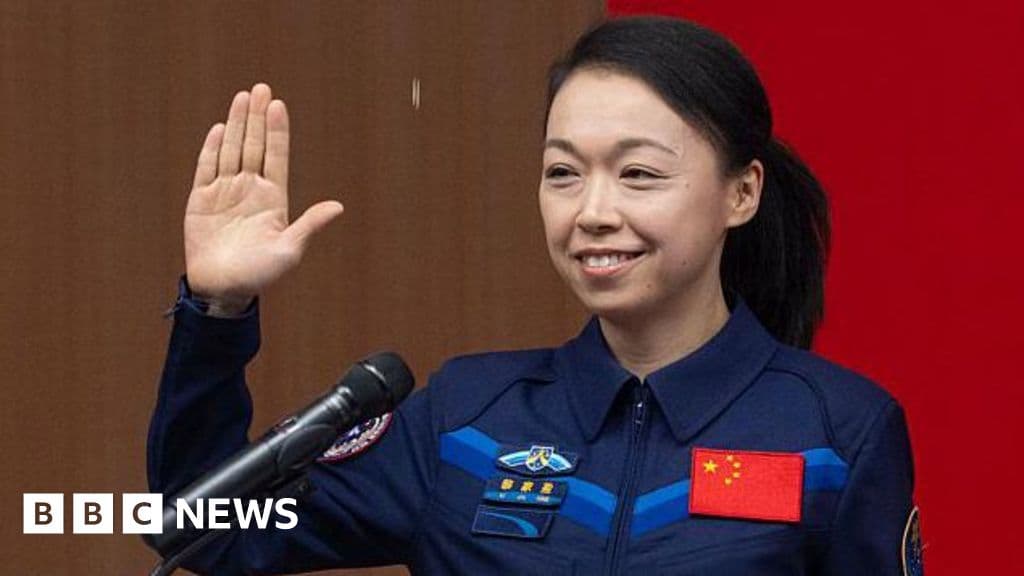
Historic launch: Hong Kong astronaut Li Jiaying aboard Shenzhou-23
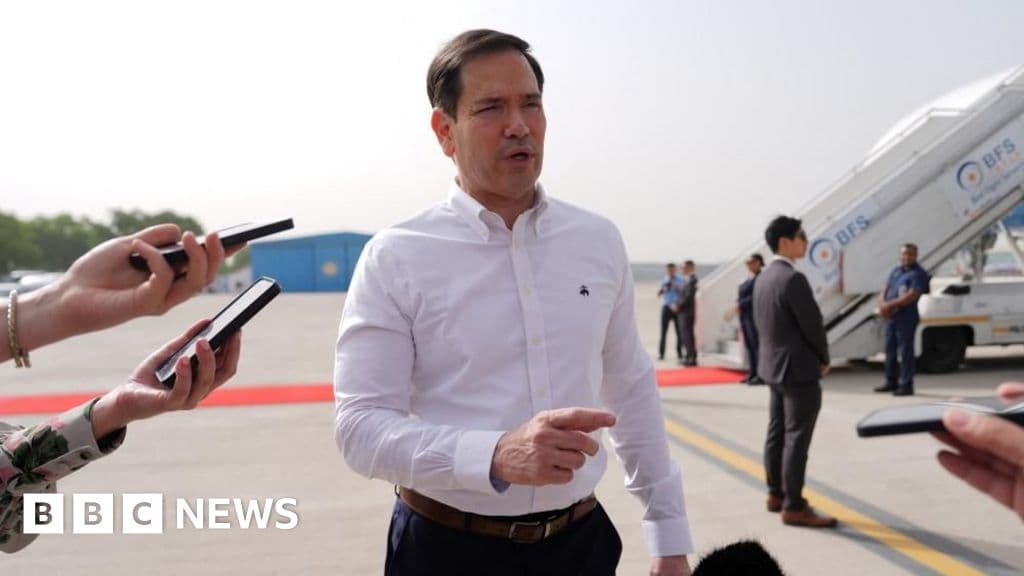
Marco Rubio suggests a solid Iran deal could be finalized on Monday, involving a ceasefire and nuclear talks.

Singapore's economy beats expectations with 6% growth in Q1 despite Iran war fallout.

Paul Brereton steps down as Australia's first national anti-corruption commissioner
See every story in News — including breaking news and analysis.
Marco Rubio talking to journalists in New Delhi during an official visit to India. Photograph: Julia Demaree Nikhinson/Reuters
Rubio’s remarks came after Donald Trump tempered expectations of a deal, saying on Sunday that he had told his negotiators “not to rush”. Negotiations with Iran were “proceeding in an orderly and constructive manner”, the US president said.
Middle East officials told the Associated Press on Sunday that the US was close to reaching a deal with Iran that would end the war and reopen the strait, a vital conduit for global energy supplies.
On Sunday Trump said the US blockade on Iranian ships in the Hormuz strait would “remain in full force and effect until an agreement is reached, certified and signed”. “Both sides must take their time and get it right,” he added.
As details of the possible agreement emerged over the weekend, critics including Trump’s former secretary of state Mike Pompeo said it offered little beyond the 2015 Iran nuclear deal negotiated by former president Barack Obama, from which Trump withdrew during his first term.
Chris Van Hollen, a Democratic member of the Senate foreign relations committee, said the deal’s reported outlines would amount to little more than “the prewar status quo” with Iran.
Explore more on these topics