
Oil prices fall, stocks rally as US, Iran sign framework to end war
Oil prices fall and stocks rally after US-Iran peace deal.
Al Jazeera English1 min read

Meta is suing Ofcom over its fines regime under the Online Safety Act, claiming the methodology for calculating charges is flawed. The company argues that fines should be based on local revenue rather than global revenue, which could lead to excessive penalties.
Mentioned in this story
Meta has launched a legal challenge against the UK’s media regulator over the fees and fines regime it is enforcing under landmark digital safety legislation.
The Facebook and Instagram owner is claiming that Ofcom’s methodology for calculating the charges is flawed and should not be based on a company’s global revenue. Breaches of the Online Safety Act can be punished by fines of up to 10% of qualifying worldwide revenue (QWR) or £18m – depending which is higher.
In the case of Meta, which reported revenues of $201bn last year, Ofcom could in theory impose a fine of $20bn for breaches. Under regulations introduced in September, Ofcom’s fees will also be based on a proportion of an organisation’s QWR and apply to businesses that made more than £250m of this revenue a year.
Meta argues that fees and potential fines should be based on the country where the company is being regulated and is seeking a judicial review of Ofcom’s decision in the high court. “We and others in the tech industry believe its decisions on the methodology to calculate fees and potential fines are disproportionate,” said a Meta spokesperson.
“We believe fees and penalties should be based on the services being regulated in the countries they’re being regulated in. This would still allow Ofcom to impose the largest fines in UK corporate history.”
Monica Carss-Frisk KC, for the tech group, said in court documents that Ofcom’s approach was “troubling” and lead to “companies such as Meta bearing the vast majority of Ofcom’s costs, despite the act making clear that it is concerned with a wide range of internet services offered in the UK”.
The barrister later said that QWR was not “pegged” to the revenue generated from a particular service in the UK, adding: “If a service is provided to UK users, then all of its revenue globally will count towards QWR.”
A hearing related to Meta’s case is scheduled for 13-14 October. Ofcom said its fees and fines regime was based on a “plain reading of the law”, adding: “We will robustly defend our reasoning and decisions.”
Meta is not the first US tech firm to take on Ofcom over the act, which has proved unpopular with Donald Trump’s White House. The US online forum 4chan has refused to pay fines related to the act and Ofcom has been sued by the companies behind the 4chan and Kiwi Farms websites.
Ofcom regulates the UK’s communications services**.** Beginning this year, it put in place a fee schedule in which certain online service providers – like Meta – will be charged tariffs to cover its enforcement of the UK’s Online Safety Act.
Meta's legal challenge against Ofcom concerns the fines regime under the Online Safety Act, claiming the calculation methodology is flawed.
Ofcom could theoretically impose a fine of up to $20 billion on Meta for breaches of the Online Safety Act, based on its global revenue.
Meta proposes that fines and fees should be based on the revenue generated in the country where the company is regulated, rather than its global revenue.
Oil prices fall and stocks rally after US-Iran peace deal.

Heartbreaking loss: Sydney mother shares pain after children killed by car
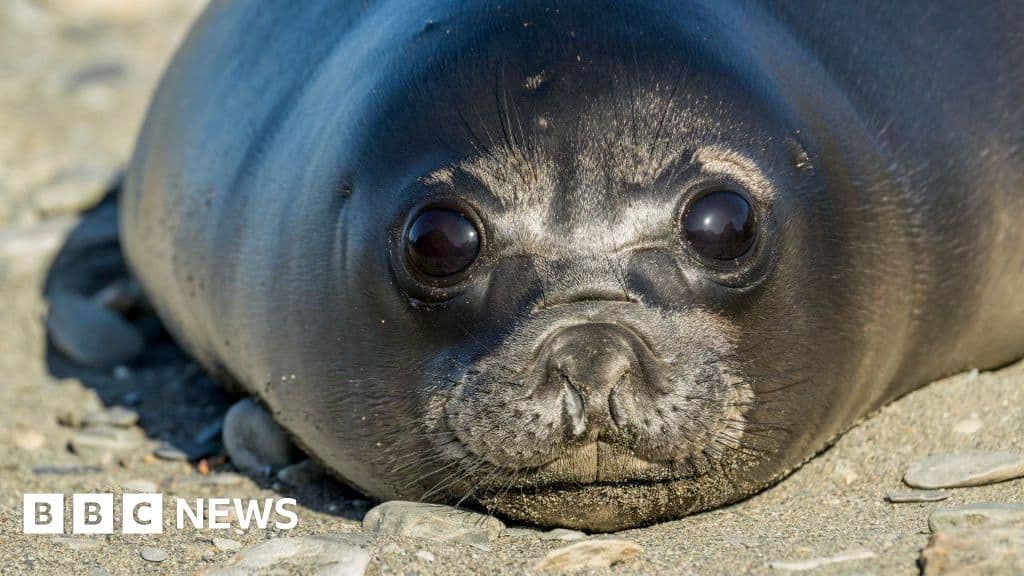
Over 75% of baby seals killed by bird flu on remote Australian island, study reveals.

Trump's interim deal with Iran faces backlash from Republicans over nuclear concerns and funding.

A heatwave is set to push UK temperatures above 30C this weekend, with health alerts in effect.
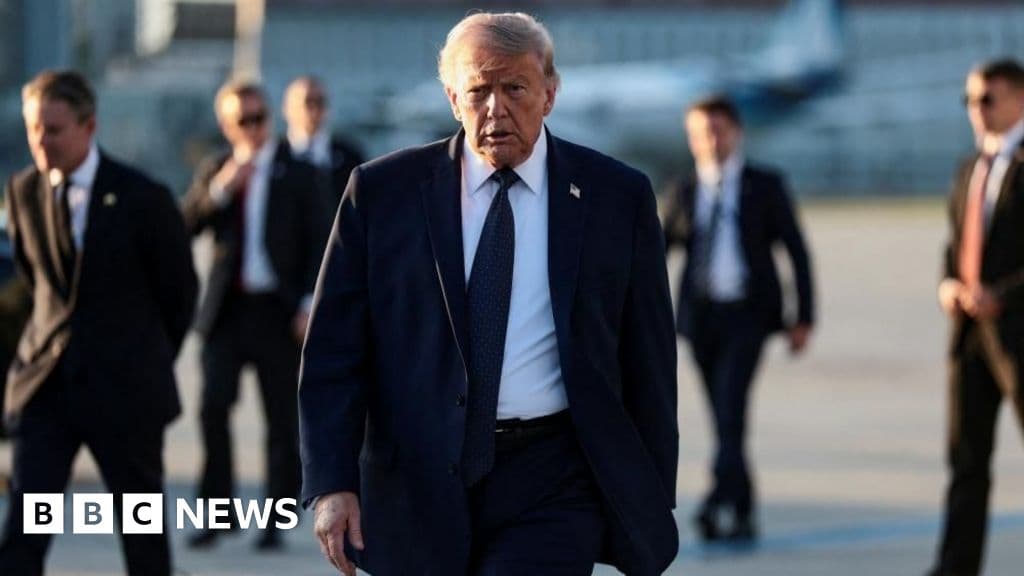
US and Iran leaders sign initial deal to end war, effective immediately.
See every story in News — including breaking news and analysis.
These fees apply to companies whose revenue comes from hosting user-generated content, search content, and pornography, and whose turnover from these services is roughly £250m or above.
This fee regime was years in the making, and a “significant change”, for Ofcom, the regulator said. Once implemented this March, it would mean that the majority of Ofcom’s funding would come from companies such as Meta, as opposed to license fees for radio bandwidth.
Ofcom’s revenue is set to be £233m this year, of which tariffs will be £164m.