
Rainfall and landslides last year in Indonesia killed 7% of world’s rarest great apes – study
Extreme weather events in Indonesia have killed 7% of the Tapanuli orangutan population, raising alarm for their survival.
The Guardian World1 min read

Labor has abandoned plans to make ASIO's 9/11-era questioning powers permanent but will expand the offences covered. The laws, which allow questioning warrants for individuals as young as 14, will now require a review every three years.
Mentioned in this story
Labor has quietly backed down on moves to make spy agency Asio’s powers for compulsory questioning permanent, but will expand offences covered by the rules to include promotion of communal violence and attacks on Australia’s defence system.
The laws were introduced in the wake of the 11 September 2001 terrorist attacks in the US and give intelligence operatives powers to issue a questioning warrant requiring a person as young as 14 to give information or produce items that may assist in a serious investigation.
Labor argued changes to the laws are justified by the “dynamic, diverse and degraded” security environment facing Australia today. The government wanted sabotage, promotion of communal violence and serious threats to Australia’s territorial and border integrity to be covered by the rules.
In July last year the Albanese government said it planned to change the Australian Security Intelligence Organisation Act, to remove so-called sunset provisions, the effective expiry dates which require parliament to reconsider the powers on a regular basis.
But, as the Senate inched closer to voting on the laws, the government dropped plans to remove sunset provisions. Instead, amendments to the law will require a review every three years.
Sign up for the Breaking News Australia email
Labor opted not to press for the sunsetting powers to be removed so it could get the bill through parliament, with support from the Coalition.
Greens justice spokesperson David Shoebridge has raised serious concerns about extending the areas covered by the laws.
“The government was forced to reverse course and restore the sunset clause which is something that almost never happens. It’s a testament to what happens when communities organise and refuse to be ignored,” he told Guardian Australia.
“When we questioned Asio in Senate estimates about why they wanted these expanded powers, what conduct it was intended to cover, their answers were confused and unclear. If anything, they increased my concern about the intention of these laws.
“The expanded criteria for warrantless questioning is so broad it could sweep up activists and community members engaged in entirely legitimate activities with no requirement for even suspicion of criminality. This looks increasingly like a tool for silencing people and targeting community organising.”
The Greens expect the Senate to vote on the changes later this month, nearly a year after they were first floated following the 2025 federal election.
Labor decided not to make ASIO's questioning powers permanent and instead will require a review of these powers every three years.
The new offences will include the promotion of communal violence and attacks on Australia's defence system.
The powers were introduced in response to the 9/11 terrorist attacks to assist in serious investigations by allowing compulsory questioning.
Individuals as young as 14 can be subjected to ASIO's questioning warrants under the current laws.
Extreme weather events in Indonesia have killed 7% of the Tapanuli orangutan population, raising alarm for their survival.
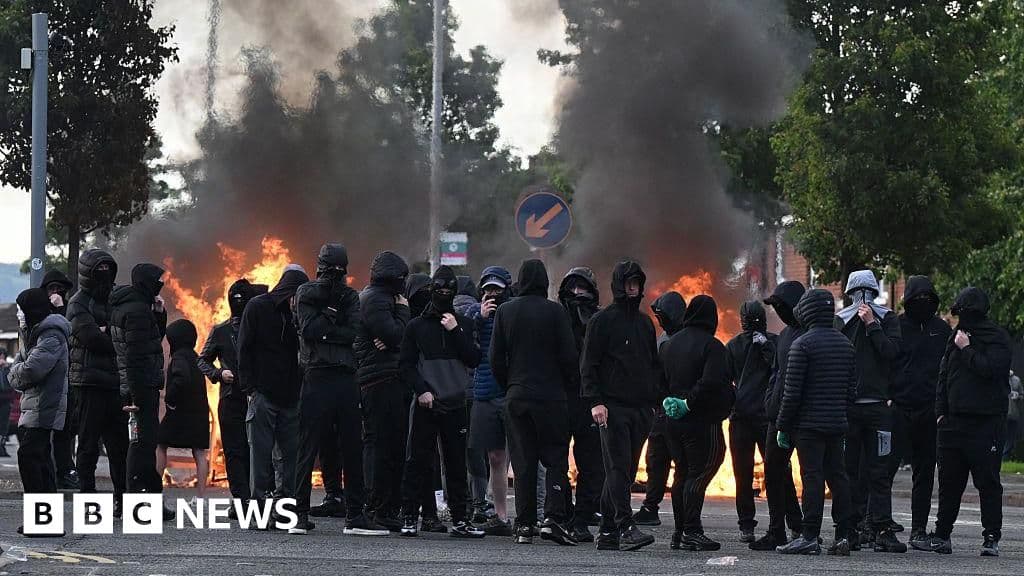
The UK's terrorism legislation reviewer calls for a discussion on migration's impact on national security after a knife attack in Belfast. The attacker, a Sudanese man, entered the UK in 2023 and was granted refugee status.

David Harbour speaks on Lily Allen's 'West End Girl' album, saying it doesn't reflect his experience.

Trump hardens stance on Iran, hints at continued military strikes.

US diplomat found dead in Yangon; Thai woman in custody for investigation

UFC champion Sean Strickland says he’s banned from White House fight due to Trump criticism.
See every story in News — including breaking news and analysis.
Parliament is set to resume on 22 June.
“Even with the sunset clause reinserted these laws are chilling with children as young as 14 able to be hauled in for secret questioning with no lawyer and no right to silence and no reasonable cause,” Shoebridge said.
The Australian human rights commissioner, Lorraine Finlay, had previously warned against moves to extend the compulsory questioning laws, noting the ongoing use of powers that were initially designed to be temporary.
The commission told a parliamentary inquiry that in many instances the questioning powers “limit human rights without reasonable justification under international human rights law”.
When the laws were introduced, the Howard government attorney general Daryl Williams described them as “extraordinary” and “a measure of last resort”.
Data provided to parliament shows the powers have hardly been used since 2020, with just four warrants served on three people, in counter-terror and espionage cases.
Liberty Victoria and the New South Wales and Queensland councils for civil liberties had warned removing the sunset provisions would seriously diminish the right to a fair trial and risk Asio being characterised as a secret police force rather than an intelligence agency.