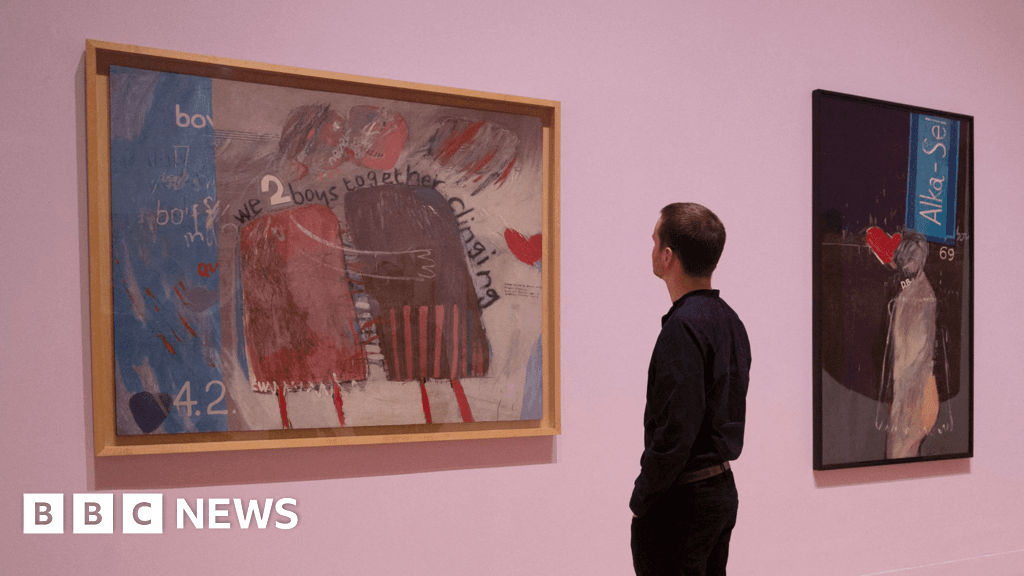
David Hockney depicted a 'peaceful, gay paradise' when homosexuality was a crime
David Hockney's 1961 painting challenges norms of its time with a same-sex couple.
BBC News1 min read

A US district court judge has ordered the reinstatement of historical and scientific materials removed from national monuments under a Trump directive. The ruling highlights concerns over censorship and the sanitization of American history.
A US district court judge has ordered the Trump administration to reinstate any history or science materials it removed from the nation’s public monuments, finding that the White House’s actions “set a dangerous precedent of censorship and sanitization”.
In March 2025, Donald Trump signed an executive order titled “restoring truth and sanity to American history”, calling upon the secretary of interior to examine monuments, memorials and statues to see if they had been altered after January 2020 to represent a “false construction of American history”.
2020 was a year marked by national protests for racial justice. The ensuing public reckoning about race and equity spurred the removal of statues commemorating Confederate leaders.
The Trump directive came as the White House waged war on so-called liberal “wokeism,” rolling back Biden-era diversity, equity and inclusion (DEI) practices and policies (in the past, the president has described DEI as divisive and particularly discriminatory against white people).
The Trump administration also sought to purge “corrosive” or “ideological indoctrination” from exhibitions at the nation’s historical and cultural institutions.
The 2025 executive order resulted in the deinstallation of signage and material at these sites, which referenced topics such as slavery, civil rights, Indigenous history and climate change, according to a February lawsuit that a group of conservation organizations filed against the Trump administration.
At a Georgia monument, The Scourged Back, a famous photograph of an enslaved man with scars protruding from his back made headlines for being flagged for potential removal.
The National Parks Conservation Association (NPCA), the Association of National Park Rangers, and the American Association for State and Local History were among the plaintiffs.
Massachusetts district judge Angel Kelley sided with their complaint.
“Under the guise of promoting American dignity, this administration seeks to share a limited history by ordering the removal of all signs, displays, and interpretive exhibits at national parks that do not align with its preferred narrative, thereby telling half-truths,” Kelley wrote in her decision.
The judge ordered the Trump administration to restore any history or science materials removed from public monuments, citing concerns over censorship.
Trump's executive order aimed to examine monuments and memorials for alterations made after January 2020, which he claimed represented a false construction of American history.
The directive came in response to the national protests for racial justice in 2020, which led to the removal of statues commemorating Confederate leaders.
David Hockney's 1961 painting challenges norms of its time with a same-sex couple.

Beloved 'Today' show movie critic Gene Shalit has died at 100.

Court orders removal of Trump's name from Kennedy Center

Spencer Pratt concedes LA mayor race but declares 'war' on candidates

Australia can transition from fossil fuel exports to renewables, says Chris Bowen at climate conference.
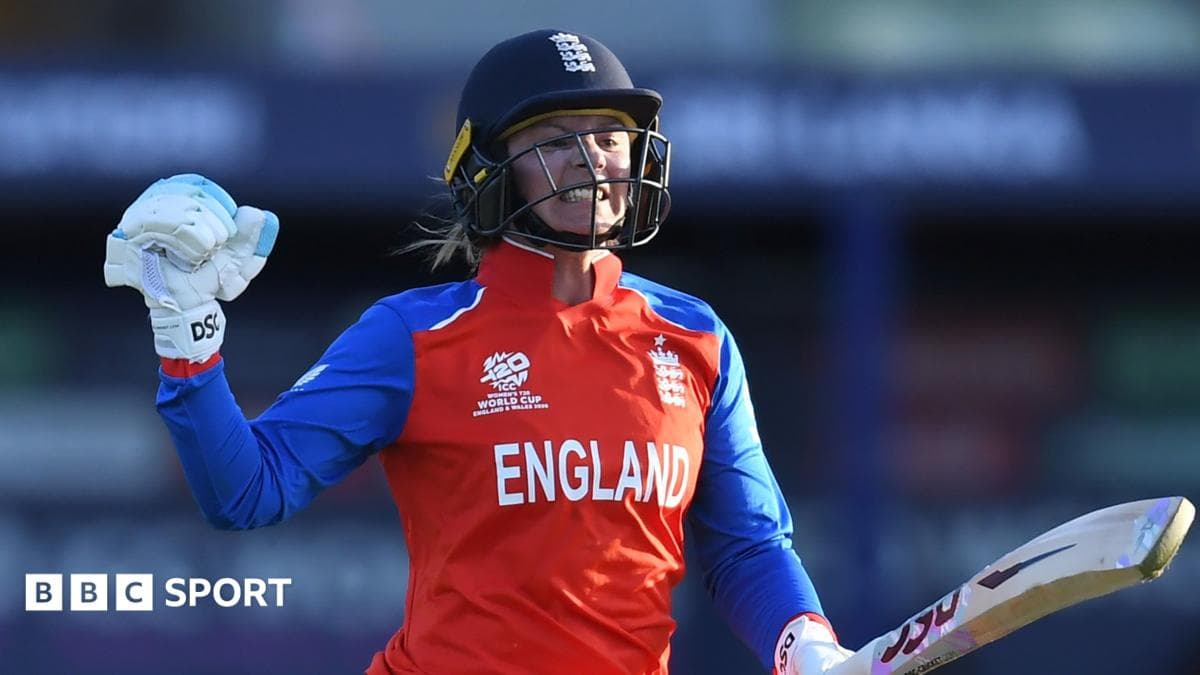
Danni Wyatt-Hodge shines as England beats Sri Lanka in T20 World Cup opener!
See every story in News — including breaking news and analysis.
Alan Spears, senior director for cultural resources at the NPCA, said in a statement after the ruling: “Americans count on national parks to help us understand our full, rich history. Stories of triumph and tragedy alike deserve to be told out loud at parks.”
Emily Thompson, executive director of the Coalition to Protect America’s National Parks, a fellow plaintiff in the suit, echoed the sentiment. National parks “exist to preserve and interpret the full American story, not just the parts that make some politicians comfortable. This ruling will help ensure that remains the case,” she said in a statement.
The Trump administration has 21 days to comply with the order.
A spokesperson for the White House did not immediately respond to a request for comment.