
News
FBI arrests California man shot by ICE on ‘assault’ charges
California man shot by ICE agents faces assault charges after incident
The Guardian World1 min read

A recent poll indicates that while many Israelis are weary of ongoing conflict, most oppose a ceasefire with Iran. The war has resulted in significant casualties, including a recent missile strike that killed a caregiver in Tel Aviv.
Standing next to the blown-out windows and cracked walls of her apartment in Tel Aviv, Liat Zvi voices an exasperation many Israelis say they feel.
"It's depressing… we've been in war for two and a half years and this just feels like another round," she sighs.
Six weeks ago, her central neighbourhood was among the many locations where Tehran delivered its response to US-Israeli attacks.
An Iranian missile evaded Israel's multi-tiered air defence and smashed into a residential building, killing 32-year-old carer Mary Anne Velasquez de Vera from the Philippines.
This was the first fatality in Israel during the war with Iran – a conflict that's currently on a precarious pause.
Now, like many of her fellow Israelis, Zvi is asking herself what this conflict actually achieved for her country and is finding it hard to contemplate what happens next.
"It's too much for me to look ahead - it's really hard."
New polling by the Hebrew University of Jerusalem points to a war-weariness among Israelis. But it also suggests two thirds oppose the current tentative truce between Washington and Tehran.
The vast majority surveyed said they believed neither Iran nor Hezbollah in Lebanon had been severely weakened by the recent US and Israeli bombardment.
"Despair" was the word a third of respondents chose when asked to describe their current emotion, followed by "confusion" and "anger".
"Hope" was fourth.
Removing Iran's ability to develop a nuclear weapon, destroying its ballistic missile capability, and securing regime change were three aims Prime Minister Benjamin Netanyahu cited at the start of the campaign.
He has since spoken of "huge achievements" and insisted Israel continues to change the face of the Middle East.
But his opponents say he's failed to realise any of his war goals.
Despite deep scepticism of the success of the military action, polling suggests the public is divided on whether Israel should continue to strike Iran.
Some 39.5% said attacks on Tehran must continue and 41.4% said the ceasefire should be respected.
The pollsters say they spoke to 1,312 Israelis (1,084 Jews, 228 Arabs) on 9 and 10 April who are representative of the public.
On the specific question of the ceasefire, less than a fifth of Arab respondents said Israel should resume striking Iran.
Polling throughout the war with Iran has reflected a split between Israel's Jewish majority and Arab minority.
In a poll published at the start of the conflict by the Institute of National Security Studies (INSS), a majority of the Arab public (61%) said they wanted a ceasefire as soon as possible.
Another survey published mid-March by the Jewish People Policy Institute (JPPI) showed 93% of Jews supporting the war on Iran compared to 26% of Arabs.
Most Israelis oppose a ceasefire with Iran, despite feeling war-weary after two and a half years of conflict.
The recent missile strike marked the first fatality in Israel during the ongoing war with Iran, resulting in the death of a 32-year-old caregiver.
The Iranian missile strike in Tel Aviv hit a residential building, leading to significant damage and the death of a caregiver.
The conflict between Israel and Iran has been ongoing for two and a half years, with recent escalations and casualties.
California man shot by ICE agents faces assault charges after incident

Eric Swalwell resigns amid fifth sexual misconduct allegation
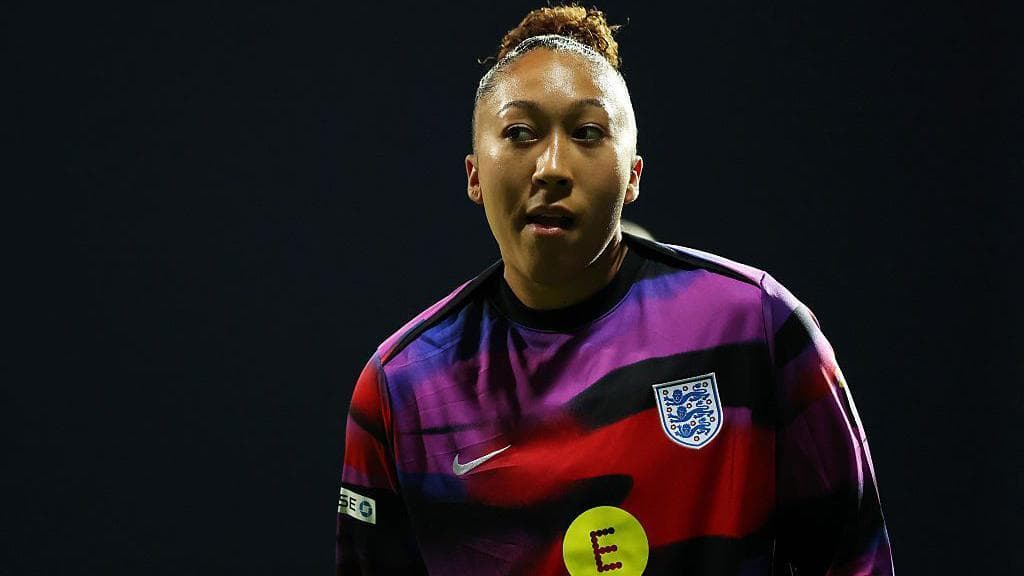
England's 1-0 win over Spain highlights Lauren James' potential.

Former UCLA gynecologist James Heaps pleads guilty to 13 sexual abuse charges and sentenced to 11 years.

Wes Streeting unveils new women's health strategy to combat medical misogyny

Atletico Madrid edges out Barcelona to reach Champions League semifinals!
See every story in News — including breaking news and analysis.
"If we're not going to break sponsoring Iran's proxies [armed groups backed by Iran] around here then it's [the ceasefire] not worth anything," says Liat Zvi in her Tel Aviv home.
"You need to come as strong to the table as you can."
It's a message at odds with the hand-written sign on the clear plastic sheet taped across the empty doorframe of Zvi's blast-damaged balcony.
"Give Peace a Chance", it reads.
But when it comes to destroying the threat from Hezbollah it's a different matter. Peace must wait.
"I think the majority of Israelis don't want the Lebanon fighting to be over unless Hezbollah give up their arms," she says.
The Hebrew University of Jerusalem's poll suggests most Israelis agree that Lebanon should not be included in an Iran ceasefire.
Israel, backed by the United States, has argued the fight with Hezbollah is a totally separate battle and the threat on the northern border must be eradicated.
Pakistan, which brokered the deal, said Lebanon was included in it, as did Iran which has threatened to resume its own attacks if the Israeli military strikes continue there.
On Tuesday in Washington DC there are set to be direct talks at an ambassadorial level between Lebanon and Israel.
Negotiations between these countries, which don't have formal diplomatic relations, is an achievement in itself, but few believe they will herald any sudden or significant breakthrough.
Netanyahu only agreed to the talks after reportedly being told by President Trump to dial down attacks on Lebanon following Israel's bombardment in the hours after the Iran ceasefire kicked in.
The Lebanese health ministry said more than 350 people - a third of them women and children - were killed in the air strikes last Wednesday.
It says more than 2,000 people have been killed by Israeli air strikes since fighting renewed on 2 March after a Hezbollah attack on Israel. Twelve Israeli soldiers and two civilians have been killed by Hezbollah in the same period, Israeli authorities say.
Israelis vote in parliamentary elections later this year and some polls suggest Netanyahu's popularity has taken a hit because of the way the conflict with Tehran played out.
The popularity of his rival, former prime minister Naftali Bennett, appears to have slightly increased.
Polls have shown around 40% of voters saying they will stick with Netanyahu's coalition of nationalist and religious parties, while 40% are backing opposition parties.
As for the composition of the 120 member Knesset (parliament), it's suggested Netanyahu's Likud party would remain the largest, but his coalition would fall short of a majority.
If the government completes its full term, elections are likely to happen in September or October.
But an event six months from now is hard to compute, bearing in mind how these recent tumultuous weeks have so rapidly destabilised the region and the even greater unpredictability they've ushered in.
Additional reporting by Alba Morgade