
Jordan leads star names at Guardiola leaving party
Michael Jordan and stars celebrate Pep Guardiola's retirement
BBC News1 min read

Israeli Prime Minister Benjamin Netanyahu has ordered intensified military strikes against Hezbollah in Lebanon, declaring war on the group. This escalation follows pressure from far-right coalition partners and occurs despite a recently extended ceasefire.
Mentioned in this story
Israeli Prime Minister Benjamin Netanyahu has ordered the Israeli military to intensify strikes against Hezbollah in Lebanon to “crush” the armed group.
The Israeli leader announced the order in a video released on Telegram on Monday night. “We are at war with Hezbollah, and we will intensify our strikes,” he declared. The order is in line with calls from far-right coalition partners for an escalation of military action.
The order comes despite the ceasefire agreed with Lebanon last month, which was recently extended. Netanyahu said Israel’s military would not be taking its “foot off the gas. On the contrary, I said to step on the gas even more.”
Shortly after his comments, the Israeli military announced it had launched attacks on Hezbollah infrastructure in the Beqaa Valley and several other areas in Lebanon.
Lebanon’s National News Agency (NNA) reported that the announcement had also sparked an exodus of people from the southern suburbs of Beirut, a major Hezbollah stronghold.
The announcement of the escalation came as Lebanon marked Liberation Day, commemorating the departure of Israeli troops from southern Lebanon following an 18-year occupation in 2000.
The order also came amid daily strikes on southern Lebanon. A barrage of Israeli attacks was earlier reported on the districts of Tyre and Nabatieh. Four people were killed, and three were injured in the town of Kfar Reman, in the Nabatieh district.
Several strikes also targeted the al-Midan neighbourhood in the city of Nabatieh, damaging residential buildings and a Shia Muslim community centre.
Israeli aircraft also dropped incendiary phosphorus munitions on the forests of the Qlailah municipality, causing fires in citrus groves and on farmland, according to NNA.
Phosphorus munitions ignite upon contact with oxygen, and their use in populated areas is widely condemned.
Lebanon’s Ministry of Public Health says 3,185 people have been killed by Israel since it entered a state of open war with Hezbollah on March 2.
Early on Monday, the Israeli army said that a soldier was killed by a drone strike “during combat” in southern Lebanon.
The military said another soldier was severely injured in the same incident and was evacuated to receive medical treatment.
Two of Netanyahu’s far-right ministers on Monday called on him to resume bombing Beirut in response.
Finance Minister Bezalel Smotrich said Israel must “put an end to the threat of Hezbollah’s explosive drones,” and noted the approval earlier this week of a special budget of approximately 2 billion shekels ($692m) for technological solutions to address the drone threat.
The intensification of military strikes was prompted by calls from far-right coalition partners and Netanyahu's declaration of war on Hezbollah.
The Israeli military has launched attacks on Hezbollah infrastructure in the Beqaa Valley and several other areas in Lebanon.
The announcement of intensified strikes has sparked an exodus of people from the southern suburbs of Beirut, a major Hezbollah stronghold.
Michael Jordan and stars celebrate Pep Guardiola's retirement

Parents in England face rising nursery fees due to government underfunding of childcare.

Czech police detain Russian Orthodox Bishop Hilarion over white substance found in his car.

WiseTech notifies 190 employees of potential job cuts due to AI advancements.
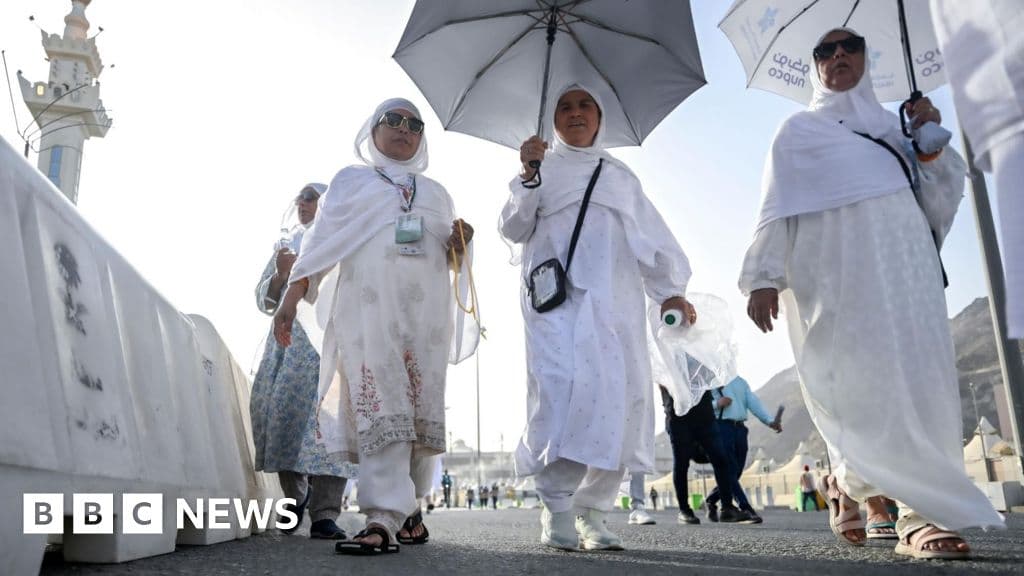
Over 1.5 million pilgrims arrive for Hajj despite fears from the Iran war.

Peter Murrell, ex-SNP chief, admits to embezzling over £400,000.
See every story in News — including breaking news and analysis.
The Religious Zionist Party leader said, “For every explosive drone, 10 buildings must fall in Beirut. The response to a significant threat must be significant.”
National Security Minister Itamar Ben-Gvir called for the return to an “intense war” in Lebanon.
“It is forbidden to normalise the reality of explosive drones; it is time for the prime minister to bang on Trump’s table and inform him that we are returning to war in Lebanon,” he wrote on social media. “We need to cut off the electricity in Lebanon, conquer the Dahiyeh, and return to an intense war.”