IS families in Syria have booked tickets home to Australia, minister says
TL;DR
A group of 13 women and children linked to Islamic State has booked tickets to return to Australia. The government will not assist them, and some will face arrest upon arrival.
Key points
- 13 women and children linked to IS booked tickets to Australia
- Government will not assist the returning families
- Some individuals will be arrested upon arrival
- Larger group includes 34 IS affiliates
- Group returned to Syria for technical reasons
Mentioned in this story
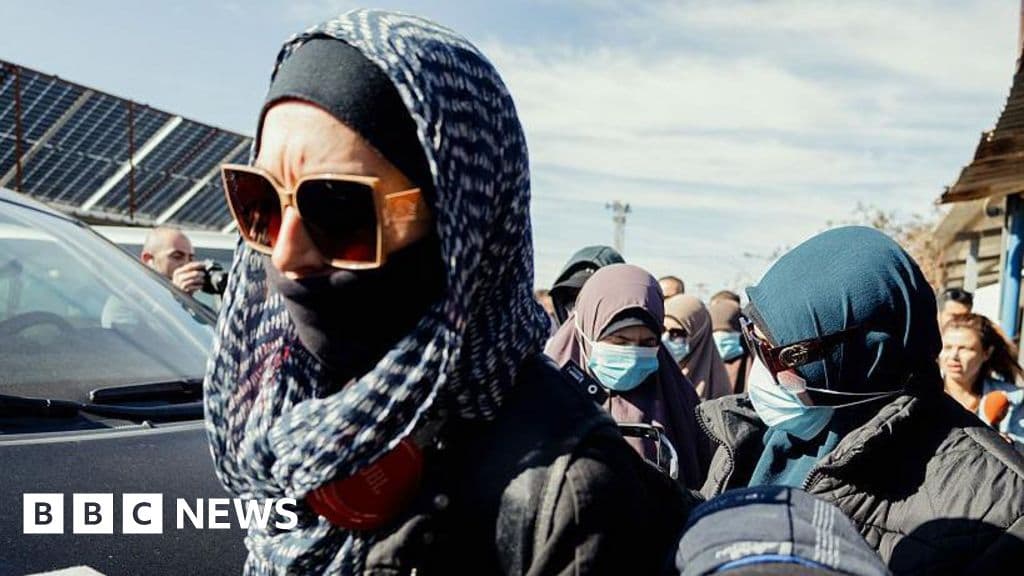
A group of 13 women and children with links to Islamic State (IS) have booked tickets to return home to Australia, the government has said.
Home Affairs Minister Tony Burke said it "has not and will not provide" any help to the four women and nine children who have spent years in a Syrian camp. They are part of a larger group of 34 believed to include wives, widows and children of IS fighters.
When the group arrive in Australia, "some individuals will be arrested and charged," the Australian Federal Police (AFP) Commissioner Krissy Barrett said.
The larger cohort left the camp in February but returned for "technical reasons" with the Australian government refusing to officially repatriate them.
"These are people who have made the horrific choice to join a dangerous terrorist organisation and to place their children in an unspeakable situation," Burke told the media on Wednesday.
"As we have said many times - any members of this cohort who have committed crimes can expect to face the full force of the law."
Burke said authorities became aware of the group's return when airline tickets were booked hours earlier.
"The alert is received the moment the booking takes place so that was provided to us this morning," he said.
He added that there were "very serious limits" on what the government can do to stop a citizen returning home.
The government had been preparing for the group's return since 2014, Burke said, with "long-standing plans" to "manage and monitor them".
Barrett added that for more than a decade, investigators had been collecting evidence on whether anyone in the group had committed "terrorism offences" as well as "crimes against humanity offences such as engaging in slave trading".
She did not detail how many in the returning group of 13 would be arrested but confirmed that those who are not arrested would continue to be investigated.
The children who return would "undergo community integration programs, therapeutic support and countering violent extremism programs".
The head of Australia's spy agency, Mike Burgess, said he was not "concerned immediately" by the group's return but "they will get our attention as you'd expect".
"It's up to them what they do when they get here, and if they start to exhibit signs that concern us, we and the police, through the joint counter-terrorism teams, will take action," Burgess, head of the Australian Security Intelligence Organisation (Asio) said, according to the Australian Broadcasting Corporation.
Of the larger cohort of 34, 23 are believed to be children. The group had been living in the al-Roj camp in northern Syria since 2019, when IS was driven from its final foothold in Syria.
Earlier this year, Australia banned one member of the group from returning home for up to two years under a "temporary exclusion order".
Several other foreign governments - including France, the Netherlands, and the UK - have also refused to repatriate most of their citizens still held in Syria.
Q&A
What is the status of the IS-linked families returning to Australia?
A group of 13 women and children linked to Islamic State has booked tickets to return to Australia, but the government will not provide any assistance.
What actions will be taken when the IS families arrive in Australia?
Upon arrival in Australia, some individuals from the group will be arrested and charged by the Australian Federal Police.
How many IS-linked individuals are expected to return to Australia?
The group consists of 13 women and children, part of a larger cohort of 34 individuals, including wives and children of IS fighters.


