
Barclays to buy GoHenry kids’ debit card and money app
Barclays is buying GoHenry, a kids' debit card app, to target young users.
The Guardian World1 min read

Iran is reportedly executing prisoners nearly every day in secret, often withholding their bodies from families. At least 24 executions have occurred since March, raising concerns for many others facing the death penalty.
Iran is carrying out near-daily executions of prisoners in secrecy and, in some cases, refusing to hand the bodies of the dead to their families, according to rights groups and sources close to the relatives of the dead.
Many families only learn of executions after they have been carried out, with some facing harassment and pressure not to speak publicly on the personal impact of the state killings, the sources said.
In the latest reported surge, Iran has executed at least 24 people since March, with six executions carried out over two days, according to a Norway-based monitoring group, Iran Human Rights (IHRNGO).
The killings have raised fears for hundreds believed to be facing the death penalty over mass anti-government protests in January, as well as those held on espionage accusations during the war with the US and Israel.
An internet blackout imposed more than two months ago has made it increasingly difficult to communicate with people inside Iran, although some have been able to send out messages, including voice notes sent through encrypted channels or by satellite internet.
In one message sent to the Guardian, a close family member of Saleh Mohammadi, a teenager and national wrestling champion executed in March, said the family had been facing “profound psychological trauma”.
“After our brother’s execution, individuals who support the government have repeatedly gathered in front of our home, chanting slogans and subjecting us to ongoing harassment and psychological pressure,” they said. “These actions have multiplied our suffering and intensified our sense of insecurity,” they added. “I have nightmares every night.”
Iran is believed to have executed at least 1,600 people in 2025, according to a report by the UN special rapporteur for human rights in Iran, who cited local rights groups. Most were carried out for drug or murder charges, although rights groups say authorities are using the chaos of war to kill government critics.
The recent spike in executions has worsened fears among families of those detained. Among those reported to have been executed over the weekend was the protester Mehrab Abdollahzadeh, who was arrested during the 2022 Women, life, freedom movement, and is from the often-oppressed Kurdish minority in Iran.
Iran has executed at least 24 prisoners since March 2023.
Families are often refused the bodies of executed prisoners, and some face harassment for speaking out about the state killings.
The surge in executions is linked to mass anti-government protests and accusations of espionage during conflicts with the US and Israel.
The internet blackout has made it difficult for people inside Iran to communicate, although some are still able to send messages through encrypted channels.
Barclays is buying GoHenry, a kids' debit card app, to target young users.

Key FISA provision set to expire as Trump faces backlash over DNI appointment
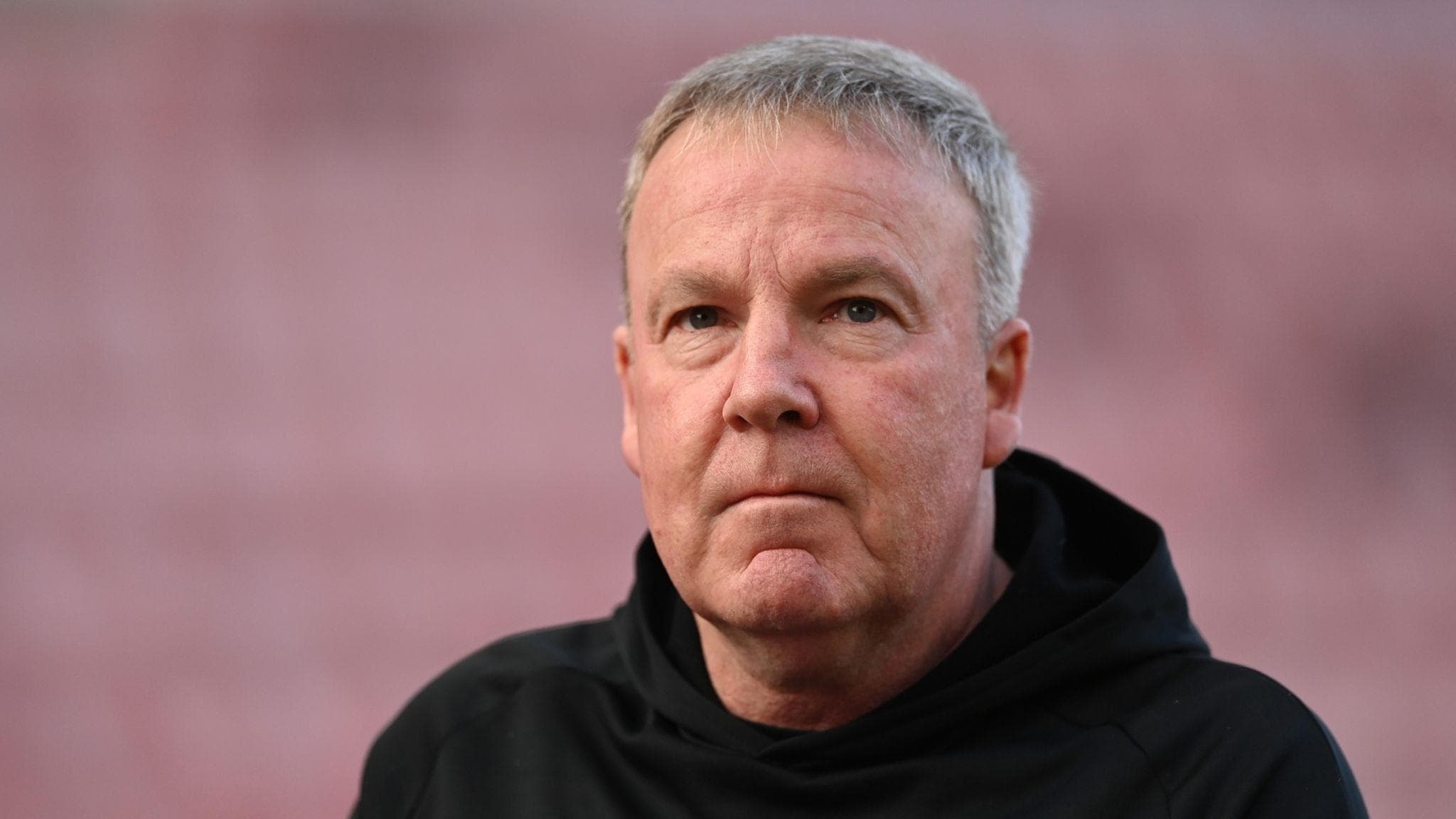
Watford legend Kenny Jackett passes away at 64
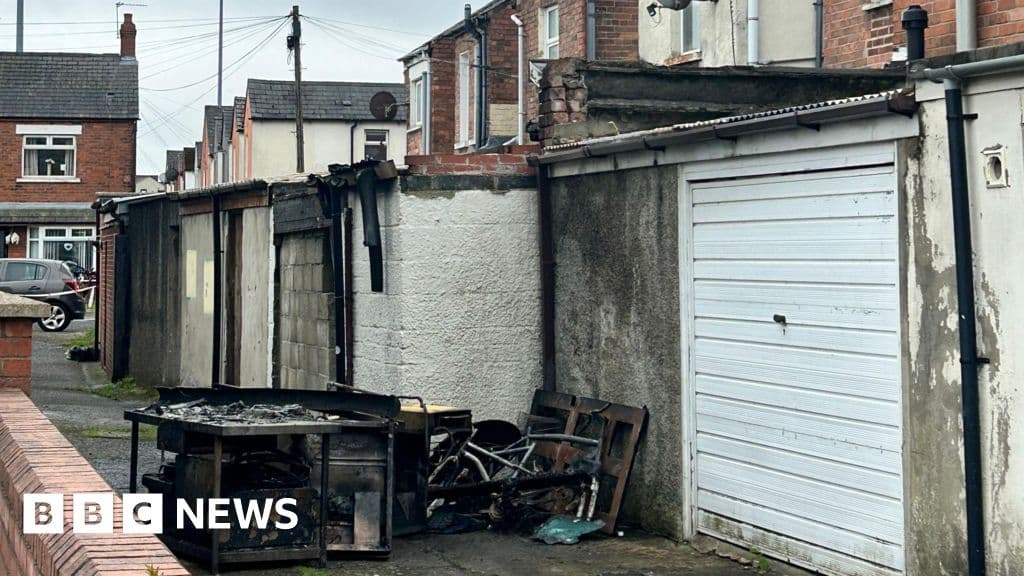
Nineteen people arrested, including a teen, after violence in Northern Ireland and an arson attack.

David Hockney, the iconic British artist known for his diverse work, has passed away at 88.

David Hockney, the revolutionary British artist, has passed away at 88.
See every story in News — including breaking news and analysis.
Another Kurdish man, Nasser Bakerzadeh, and Yaghoub Karimpour – a prisoner with a physical disability due to spinal and lung surgery – were executed on charges of spying for Israel. All three were held in Urmia central prison in the west.
“Each time news of a new execution in Iran is reported, it feels as though we are reliving those same painful moments of losing Saleh; a wound that has never healed is reopened again and again,” said the family member of Mohammadi.
Letters and recorded voice messages sent by some detainees in the lead-up to their execution suggest a pattern of psychological and physical torture. In communications sent to the France-based Kurdistan Human Rights Network (KHRN), Abdollahzadeh and Bakerzadeh said they had been subjected to torture, including threats against their families.
Rebin Rahmani, a KHRN board member, said authorities had not returned the bodies to families.
“They take them to undisclosed locations, execute them and do not inform the families,” he said. “When families go to the prison, they are prevented from receiving the bodies.”
Rahmani added that prisoners were isolated before their executions. “It is against humanity. Their hands and legs were bound. They were first transferred to secure detention facilities for forced confessions, then to solitary confinement for the execution of the sentence.”
In a voice note sent before his execution, Abdollahzadeh denied the allegations against him. “They are mentally and physically torturing me,” he said, adding he had been subjected to 38 days of torture in an attempt to force a confession.
In a letter, Bakerzadeh described similar treatment and pressure on his family. “The death sentence has killed me, shattered me. Every moment I see my own death before me. It has brought my family to their knees,” he wrote. “Today it is my turn. Tomorrow it will be someone else’s.”
In a separate case, three protesters from the north-eastern city of Mashhad who were arrested in connection with the January protests were also hanged in an undisclosed location, according to the rights group IHRNGO, which has been documenting Iranian executions since 2005.
A source from Mashhad said families of those executed were being pressed to remain silent, to block information from getting out to the public.
“The families were under pressure even before the executions to remain silent and assumed that their silence would keep them off the noose,” the source said. “But they were killed anyway, and now the pressure continues after the executions so that families can at least hope to retrieve their bodies and bury them with dignity.”
After the surge in executions, rights groups have called on world powers to act, warning that hundreds remain at risk of the death penalty.
“Many detainees have been subjected to physical and psychological torture to extract confessions. We are deeply concerned that hundreds may face charges punishable by death,” said Mahmood Amiry-Moghaddam of IHRNGO.
“The regime’s human rights violations and use of the death penalty have been overshadowed by the war, and the authorities appear to be exploiting this situation to intensify repression against the population, which they perceive as their main existential threat,” he added.
Meanwhile, in a message relayed to the Guardian, a fellow prisoner held alongside Abdollahzadeh, Bakerzadeh and Karimpour said prisoners remained in shock but had held a memorial in honour of the three men this weekend.