
Venezuela hits out at Trinidad and Tobago in oil spill spat
Venezuela raises alarm over oil spill from Trinidad and Tobago, threatening ecosystems and fishing.
Al Jazeera English1 min read
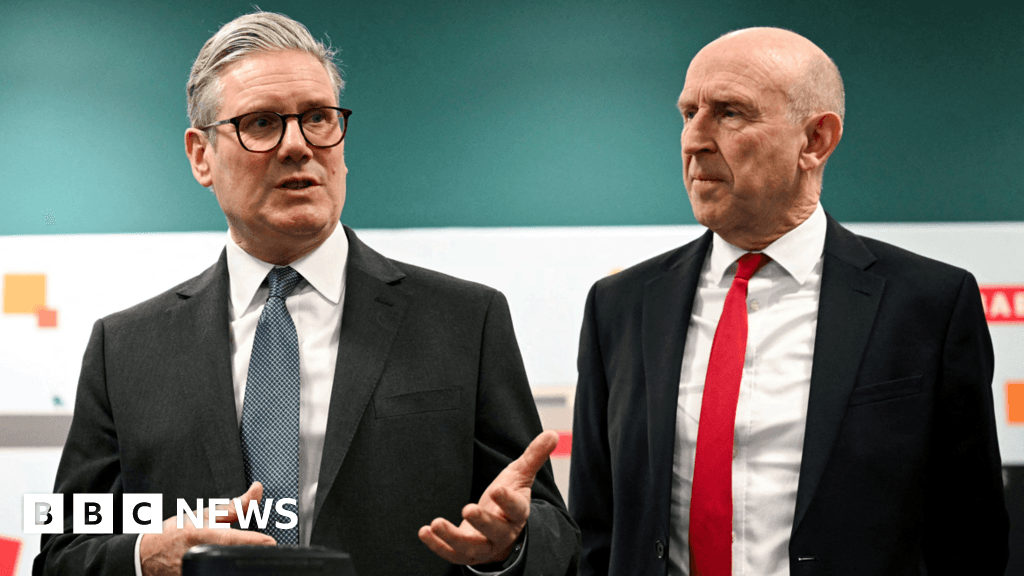
Sir Keir Starmer stated he has a 'duty' to remain as prime minister while justifying his defence spending decisions. He emphasized the need for cuts across departments to fund defence amid recent ministerial resignations.
Mentioned in this story
Sir Keir Starmer has told the BBC he has a "duty" to stay on as prime minister as he sought to justify his decisions on defence spending.
Speaking the day after two of his defence ministers quit in a row over funding, Sir Keir insisted he had made "hard-edged" choices, including getting every department to make cuts to pay for defence.
In a veiled warning to potential leadership challengers in his own party, he said: "Whoever is prime minister is going to face the same prevailing winds as I am facing, none of that is going to change."
Asked if he wanted to lead Labour into the next election, he said that was what he wanted to do, but acknowledged: "I need to turn things around."
He said he did not want to "plunge" the country into the "chaos" of a leadership election but added: "If it does happen, I will fight."
"Let me be clear that this is not about personal vanity, it is not about stubbornness, it is about a very deep sense of duty," he said.
"I was elected to serve this country notwithstanding difficult circumstances - that is what I am doing."
He added that he had a "very sound platform" and that his government had stabilised the economy, increased defence spending and invested in public services.
In his resignation letter, Defence Secretary John Healey made scathing criticisms, accusing the PM of being "unable" to commit to the spending needed to keep the country safe.
Sir Keir said he was grateful to Healey for his work but rejected his analysis, arguing that defence spending was his "number one priority" and would continue to be so at future spending reviews.
He pointed to cuts to overseas aid as evidence that he was able to make difficult decisions to increase spending on defence.
Asked if he would be willing to reduce spending on welfare to pay for a further boost, Sir Keir said the government was making changes to help people into work and said that would "free up resources".
Healey's resignation was triggered by an ongoing internal row over funding of the government's defence investment plan (DIP).
The plan, which sets out how new military equipment and infrastructure will be paid for over the next decade, was due last autumn but has been repeatedly delayed.
The government has committed to increasing defence spending to 3.5% of GDP by 2035.
Healey suggested that the current defence investment plan proposed increasing defence spending to 2.68% of national income by 2030. He argued that the UK should be hitting 3% by that date.
The prime minister said the government had put "considerable" money into defence already, and that the DIP outlines "further money on top of that".
Two defence ministers resigned due to disagreements over funding decisions related to defence spending.
Sir Keir Starmer expressed his desire to lead Labour into the next election but acknowledged the need to improve the party's situation.
Starmer's decisions involve making cuts in various departments to allocate more funds for defence, which may affect other government services.
Starmer warned that any future prime minister will face the same challenges he is currently experiencing, indicating a tough political environment.
Venezuela raises alarm over oil spill from Trinidad and Tobago, threatening ecosystems and fishing.

US-Iran peace deal remains elusive as Trump and Tehran clash over claims

UN adopts treaty to protect gig economy workers globally

Investigators probe Toronto officer's death for links to global terror attacks.
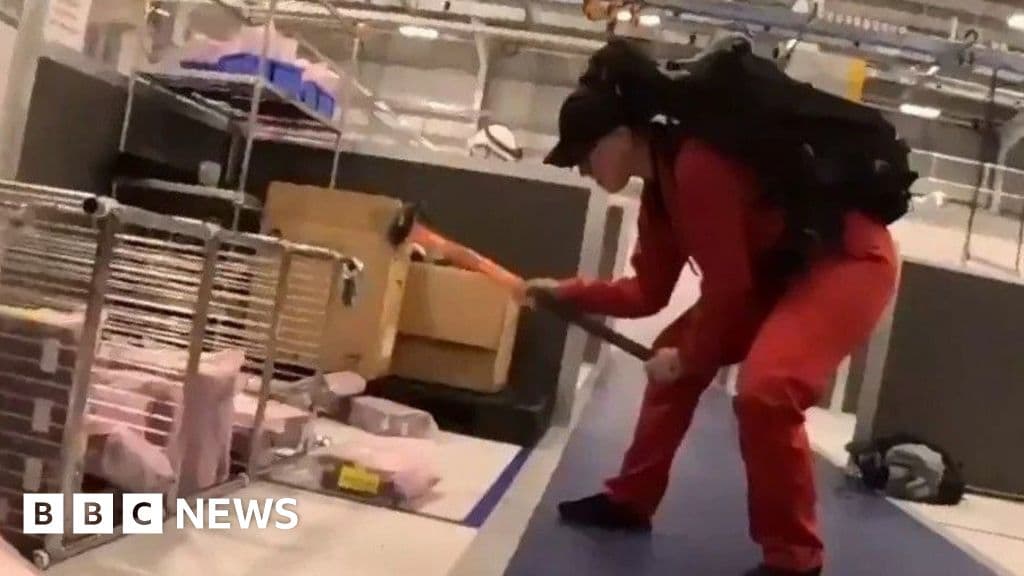
Four Palestine Action activists jailed for causing £1.2m damage at Elbit Systems factory.

Home Office ends contract with Essex hotel after protests over asylum seekers.
See every story in News — including breaking news and analysis.
This has to be seen in the context of "the commitment I've made...to get to 3% in the next Parliament," he said.
He added: "I can tell you now that defence will be the number one priority at every spending review, including the next spending review."
Sir Keir also insisted that, despite the resignations of Healey and his Armed Forces Minister Al Carns, he remained committed to publishing the plan ahead of a Nato summit in early July.
The prime minister has been facing leadership questions for more than a year, with pressure intensifying following his party's poor results at elections in May and now the resignation of Healey, previously one of Labour's most consistently loyal ministers.
A leadership contest has not yet been triggered, however Greater Manchester Mayor Andy Burnham is expected to launch a challenge if he wins the Makerfield by-election next week.
A full list of candidates standing in the by-election can be found here.
Sir Keir did not mention Burnham, or other potential leadership rivals by name, but said that on questions about spending: "For every answer that is being suggested, the question has to be when you're in government - which is about trade-offs - what is it then that you wouldn't do?
"Because easy answers are by their nature easy. Decisions in government involve trade-offs, so they always have to come with that second question well, if you're going to do that, what is it you wouldn't do?"
Former Health Secretary Wes Streeting, who has said he would enter a leadership race, wrote in a post on X, the "failure to make the right choices on the defence investment plan is just a symptom of the indecision at the heart of this government".
"Case in point: The prime minister just said defence is 'a number one priority'. Growth was meant to the number one priority, is it still?
"There's not enough money for defence, but today the government announced £4.5 BILLION for walking and cycling. Make choices. Decide. Lead."
Conservative leader Kemi Badenoch said the prime minister wasn't funding defence "properly" and should "cut welfare" in order to do so.
Liberal Democrat defence spokesperson James MacCleary said the Conservatives had "recklessly and shamelessly eroded our defence capabilities but the Labour government is now refusing to give our Armed Forces the genuine backing they need".
His party has called for the introduction of war bonds, which it says could raise £20bn.
Sign up for our Politics Essential newsletter to keep up with the inner workings of Westminster and beyond.