
Australia can switch from fossil fuel exports to renewables, says next Cop president
Australia can transition from fossil fuel exports to renewables, says Chris Bowen at climate conference.
The Guardian World1 min read
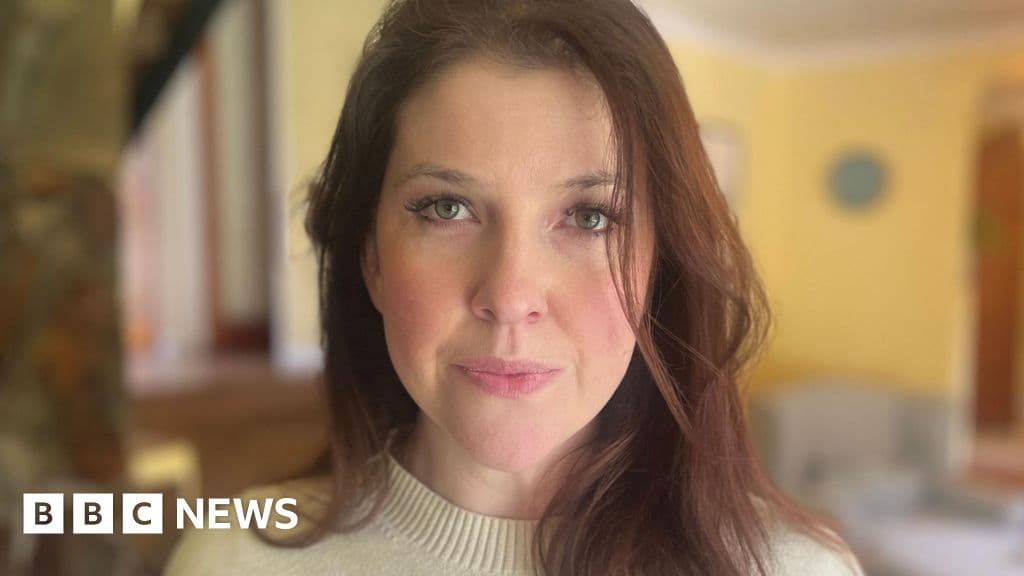
A mother from Cornwall quit her job due to the stress of managing her daughter's severe food allergies. She recalled a terrifying incident in Italy when her daughter suffered a life-threatening allergic reaction.
Mentioned in this story
A mother has said she felt forced to give up her job to look after her daughter due to the "horrific ongoing stress" of living with the five-year-old's life-threatening food allergies.
Katy, from Cornwall, said she thought she was going to lose Molly when she suffered a severe allergic reaction while on a family holiday in Italy, aged one.
After eating a meal at a restaurant, Molly "started getting really lethargic, then just went floppy", Katy recalled.
"We were terrified... We just ran through the streets trying to get back to the hotel," she continued.
"It was the worst experience of mine and my husband's life."
Katy administered an adrenaline pen and Molly was taken to hospital where she later recovered, but Katy said the fear had never left her.
Her experience comes as doctors, charities and patients call for wider access to treatment on the NHS.
The National Allergy Strategy Group is urging the government to make desensitisation treatments like food oral immunotherapy (OIT), which can cost thousands of pounds privately, more accessible on the NHS.
OIT is a treatment that involves patients consuming very small, carefully measured amounts of the food they are allergic to, under medical supervision. The dose is gradually increased over time to help the immune system become more tolerant.
An NHS spokesperson said it was "currently supporting a trial to gather more evidence on the use of oral immunotherapy for food allergies, while also developing guidance to support local services to improve allergy care".
Molly is allergic to milk, egg and some nuts.
Katy said the reaction happened despite her carefully explaining the risks to restaurant staff, both verbally and using translation cards.
One year later, it happened again. This time in England when Molly ate a muffin containing milk.
Katy said it was following this that she gave up her job as a lawyer to look after her daughter after realising she "didn't trust anyone with her allergies".
She had been due to return to work following maternity leave for her second child.
Although there was a "really big case" at the law firm she was with, she said she felt she had "no option" but to leave the business, halving her family's income.
Molly has now started school and Katy said she felt she could consider going back to work as she had confidence in her school's policies - and because it had also been announced allergies training would be made compulsory in England.
Food allergy rates in England are estimated to have doubled in the decade to 2018, according to a major study published in The Lancet in 2024.
The mother quit her job due to the ongoing stress of managing her daughter's life-threatening food allergies.
During the holiday, the daughter suffered a severe allergic reaction after eating at a restaurant, leading to a terrifying experience for the family.
The daughter is five years old and has life-threatening food allergies.
The mother described the experience as horrific and stated it was the worst moment of her and her husband's lives.
Australia can transition from fossil fuel exports to renewables, says Chris Bowen at climate conference.
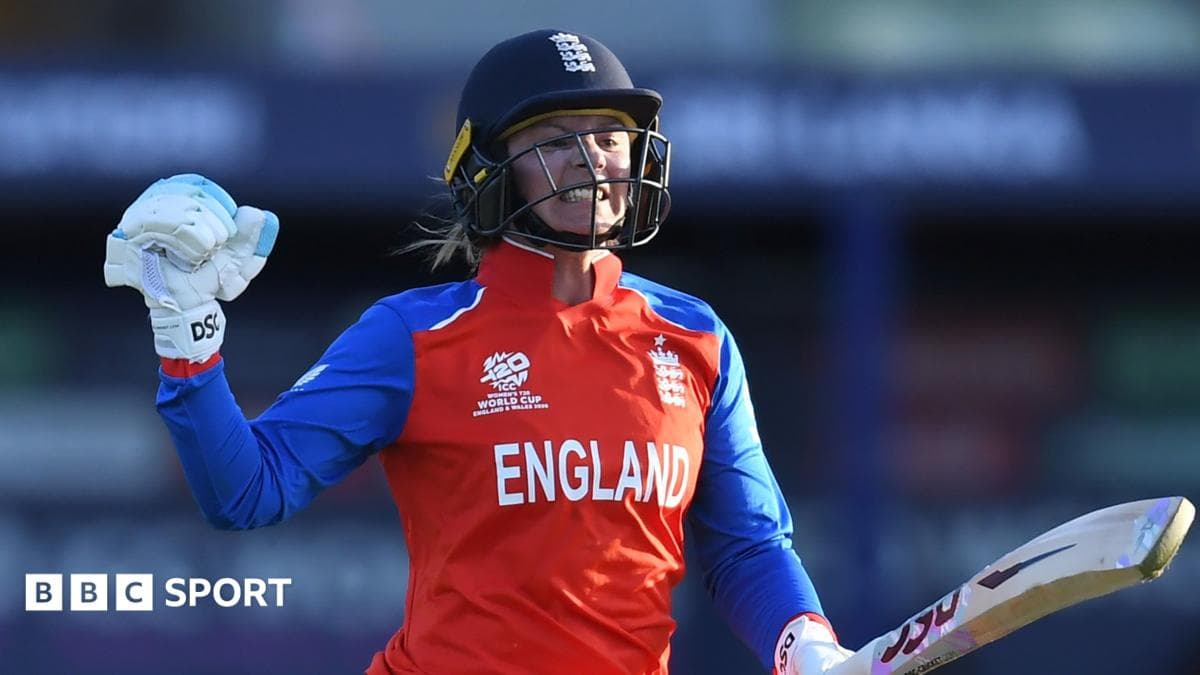
Danni Wyatt-Hodge shines as England beats Sri Lanka in T20 World Cup opener!

Palantir's legal challenge against a Swiss magazine ends in defeat

Elon Musk reaches trillionaire status after SpaceX's record debut!

BBC pundits disagree on controversial Bosnia goalkeeper incident during Canada match

Switzerland votes on a controversial plan to cap its population at 10 million.
See every story in News — including breaking news and analysis.
The sharpest rise has been among children under five, with about 4% affected.
Emergency hospital admissions for food‑related anaphylaxis also doubled in the 20 years to 2024, reaching 1,709 cases.
Professor Adam Fox, who specialises in paediatric allergy, said allergies now had "major public health implications for millions of people".
A charity‑funded clinical OIT programme is currently running in nine NHS hospitals in England, using shop-bought foods to treat peanut and milk allergies.
An NHS spokesperson said: "Oral immunotherapy as a treatment for food allergies is not routinely available on the NHS due to limited evidence around the effectiveness of available products."
But Fox said studies such as those by the European Academy of Allergy and Clinical Immunology (EAACI) had already provided adequate evidence that OIT was safe and effective.
"The problem is not doing the research, it's for the NHS to then put the resource and the organisational will between turning it into something that people actually have access to in a timeframe that it would be useful," he said.
A 2025 report by the British Society for Allergy & Clinical Immunology (BSACI) Registry for Immunotherapy (BRIT) highlighted "unmet need" and "unwarranted variation" in UK provision of immunotherapy.
Katy said Molly had been referred by her local NHS trust for milk OIT, but they had been told she was on a waiting list of "at least two years", that it was almost 300 miles away in London and there was "no guarantee of being accepted".
Parents Scott and Louisa, from Helston in Cornwall, sought private OIT for their five-year-old daughter Carey after she suffered an "extremely frightening" anaphylactic reaction as a toddler.
Scott said doing this was "a big sacrifice" both financially and in terms of the effort required.
The family had to travel 400 miles for every round trip to the clinic in Hampshire.
The treatment for Carey's walnut and pecan allergy cost £6,000, with a further £4,000 set aside for associated travel and hotel costs.
She was given small doses of nuts at the private clinic she attended, which was increased over time to retrain her immune system to tolerate the food.
Carey can now eat seven walnuts or pecans without having an allergic reaction so treatment was "100% worth it", Scott said.
He added Carey must continue eating the nut regularly to maintain tolerance, with her progress to be reviewed after a year.
The clinic Carey attended is run by Dr Helen Evans-Howells, a GP and allergy specialist, who described it as "a tragedy" the NHS was not offering OIT more widely.
While she understood it was under huge financial pressure, she argued earlier treatment would "ultimately save money" for the NHS in the future.
As chair of Anaphylaxis UK's clinical and scientific panel, she also said: "We are having admissions for reactions, missed days off work or school, a significant impact on their wellbeing."
She said the costs involved in OIT were due to "development of protocols, full-time access for patient support, insurance costs and the employment and training of staff".
She added her clinic operated "under robust clinical governance frameworks, including comprehensive policies for patient safety, anaphylaxis management, and escalation of care".
The current treatments have not yet passed through the NHS's regulatory process.
Food immunotherapy practitioners use ordinary foods such as nuts or milk in their programmes, rather than licensed pharmaceutical products.
Because these foods are not classified as medicines, their use in treatment is unlicensed and unregulated in the UK, BSACI said.
It added more work needed to be done on guidance for clinics.
BSACI advised they "must be suitably equipped to manage allergic reactions" with treatment "delivered by a practising allergist who is also a member of the BSACI or has other credentials that would show their learning and competency in this area".
Dr Sian Ludman, a paediatric allergy consultant at Royal Devon and Exeter Hospital, said she felt there was "a lack for our patients" in south-west England with such limited immunotherapy options for children.
"We are able to refer up to certain centres in London, for example, but their waiting list is incredibly long," she said.
She did also stress OIT was not appropriate for everyone.
The results of the NHS-supported Natasha Trial are expected in 2027.
Tanya Ednan-Laperouse, founder and trustee of the Natasha Allergy Research Foundation which has funded the trial, said the aim was "to show that everyday, shop-bought foods, taken under medical supervision, rather than expensive pharmaceuticals, can be used as an effective oral immunotherapy treatment".
She added it was hoped the findings "will show this approach is not only effective at treating food allergy but is cost effective and will therefore be adopted by the NHS".
But the BSACI said: "To meet regulatory standards it will require significant regulatory and safety issues to be addressed."
A licensed peanut allergy treatment, Palforzia, was available on the NHS for under‑18s but was later withdrawn from the global market by the manufacturer.
The decision was "not related to the quality, safety or efficacy of the medicine, but based on strategic and operational considerations," BSACI said.
Other immunotherapy treatments are licensed, for allergens such as grass and birch pollen and house dust mites, having been determined safe and effective by the Medicines and Healthcare products Regulatory Agency.
Food allergies can cause mild or very serious reactions, which is different to a food intolerance.
Experts say while some food allergies may be outgrown, such as egg and milk, it is far less likely for nut, sesame and fish.
Some scientists believe the rise in food allergies is due to changing western lifestyles.
NHS England advises that patients with concerns about managing their condition should contact their GP or allergy clinic for support.
For Katy, wider access to OIT cannot come soon enough.
Katy said her "dream" was for her daughter to have free access to it as currently she would need to "win the lottery" to pay for it privately.