
‘There’s wee girls inside’: panic as masked men storm house in Belfast
Chaos in Belfast: Masked men storm house, claiming to 'liberate' it
The Guardian World1 min read
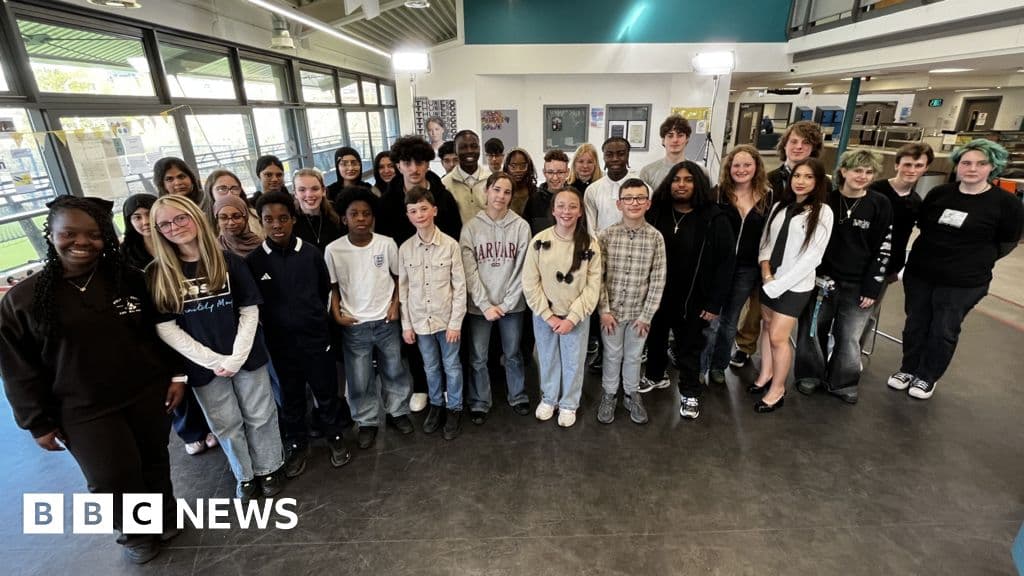
A group of 33 pupils aged 12-18 in the UK discussed the potential ban of social media for under-16s. Many expressed concerns about the negative impact of content on platforms like TikTok.
Isaac loves watching football clips. Like many 13-year-old boys, he also loves superheroes and gaming. TikTok provides an endless supply of videos on all three.
"If I'm being completely honest, I'd say I watch four hours a day." At weekends it could be even longer. "When I have nothing to do, that's all I do."
But even at his tender age he's come across videos that make him sad, angry or worried. If he was prime minister, he'd make sure children like him were not served videos like these.
Isaac was one of 33 pupils from the north-west of England, all aged 12-18, who took part in the BBC News debate on social media.
They gathered at the Bolton Lads & Girls Club on Wednesday afternoon to share their opinions on whether social media should be restricted, or even banned altogether, for under-16s in the UK.
Iga, 14, has seen some videos on her social feeds where people openly talk about their suicidal thoughts and other serious mental health problems.
"The problem is that you can see more than you should," she says. "You will see stuff that you might not want to see and that can impact your own mental health."
She understands that today's society is more open when it comes to discussing their problems but worries that children younger than her might ape some of the language and behaviour they see online, causing harm to themselves.
"I love that people want to talk about their mental health but that is not the way to approach it at all, personally speaking," she says.
Earlier on Wednesday, MPs in Westminster voted to reject a social media ban for under-16s for the third time.
The UK government is currently undertaking a public consultation on the matter as part of their efforts to better protect children from harmful content online - including violence, misogyny, suicide and eating disorders.
Education minister Olivia Bailey said the question was not whether the government acts but how, saying the consultation went further than the amendments voted on which would have restricted social media access for under-16s.
But shadow education secretary Laura Trott said the government must protect children from extreme and violent content and parents will "not forgive the continued delay".
The government also committed earlier this week to a statutory ban for phones in schools.
Like Isaac, Iga thinks more should be done to restrict the availability of harmful content but she doesn't think an outright social media ban for under-16s is the right approach.
"I think it would be better [to ban social media] for under-13s because when you get into year 10 and year 11 (pupils aged 14-16), you'll be fine because you're so focused on studying that you don't have as much time to look at it."
She uses social media for about three hours a day - mainly watching videos about fashion and pop culture - but admits this increases at weekends.
UK pupils expressed mixed feelings, with some supporting restrictions due to negative content exposure.
Some pupils reported spending up to four hours a day on platforms like TikTok.
Children reported feeling sad, angry, or worried after encountering certain videos on social media.
The debate took place at the Bolton Lads & Girls Club in the north-west of England.
Chaos in Belfast: Masked men storm house, claiming to 'liberate' it

House approves $70 billion for ICE and Border Patrol through Trump's term

Young men in Myanmar are being forcibly conscripted into the military amid civil war.
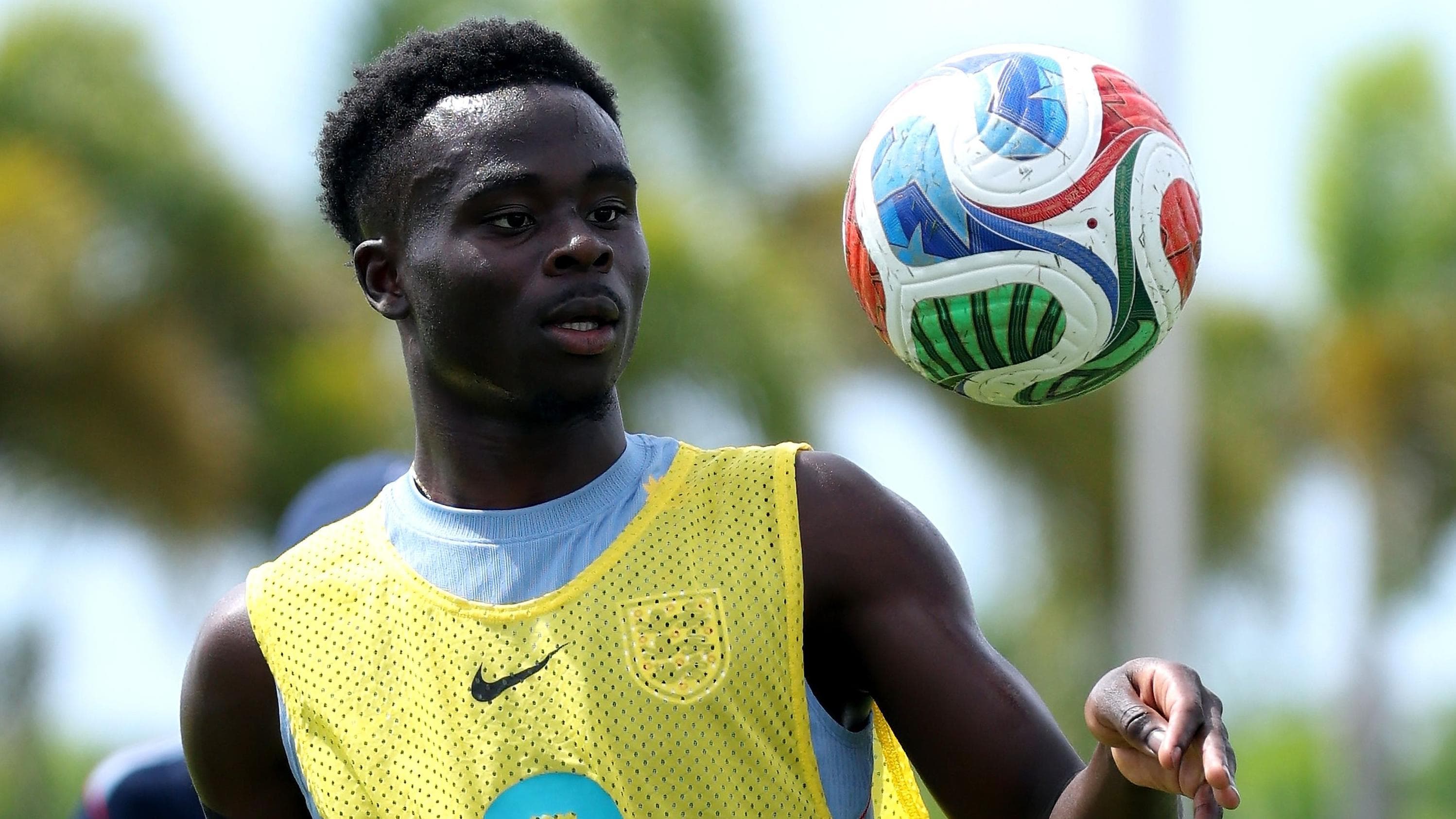
England's Tuchel carefully manages Saka's fitness ahead of the World Cup.

Canada confirms Gordie Howe Bridge opening despite Trump's threats

Australia's High Court to Decide on Damages for Indefinite Detention Case
See every story in News — including breaking news and analysis.
Australia implemented an outright ban six months ago which prevents under-16s from creating new social media accounts - and deactivated existing ones - on ten major social media platforms including TikTok, YouTube and Instagram.
Iga thinks any attempt to do the same here would just result in "everyone finding a way round it".
According to a survey by the Molly Rose Foundation, 61% of Australians aged 12-15 who had used social media before the ban still have access to one or more accounts.
The consultation in the UK will hear from academics who have been studying the effect of Australia's ban and it will also gauge opinion on less severe restrictions.
Among these measures are switching off particular features on social media apps, like video autoplay and infinite scrolling.
Some believe features like these can cause addiction-like symptoms among users. One study found a sharp rise in what it termed "problematic" social media use among children since the pandemic.
Maisie is in favour of switching off these features, she thinks they currently help to make social media "addictive" and "distract [people] from healthier hobbies", like the musical theatre classes she does on Saturdays.
The 14-year-old tells me: "I think [stopping autoplay] would help because it would give you a minute to think rather than just going straight in and watching the video."
She'd actually go further and ban short-form video altogether because "they shorten children's attention spans".
In her view, long-form videos - the kind you might find on YouTube - tend to be more educational and less harmful because they don't provide the instant gratification of short-form content.
She doesn't use TikTok but admits to spending prolonged amounts of time scrolling on Instagram, particularly clips of her favourite films - everything from Lego Star Wars to Legally Blonde.
Usually it's about two to three hours each day but she would like to reduce that. She finds the idea of limiting scrolling much more palatable than a total ban. "Because it's so much of my day, I can't just stop using it."
Another measure being considered in the consultation is mandatory overnight curfews to help children sleep better and how age verification can be strengthened to stop underage children from creating accounts.
Peace, 15, supports the latter measure. "If there's a restriction on using social media based on age, then I think that's there for a reason. Young kids shouldn't be exposed to things they're not meant to see."
She thinks switching off features like autoplay would be more annoying than effective. An outright ban? "That's too far," she says. It would inhibit communication with her friends, diminish the entertainment she enjoys and cut her off from role models.
"I like inspirational [content]. I look up to people and I see them on social media achieving great things. I think to myself, wow - I want to do that too. And you get to see how they did it, so maybe I could follow in their footsteps."
The consultation is also examining restrictions for digital tools beyond social media, including limits and changes to the way children can use AI chatbots.
Some parents worry that their children are messaging these chatbots like they are real people and relying on them for advice.
One mother told BBC News last year that a chatbot encouraged suicidal thoughts in her 14-year-old son before he took his own life.
Iga is also concerned about the impact of generative AI on her peers, particularly when it can be used to create naked images of real people based on nothing more than a photo. "It's disgusting to even hear about people doing that."
The government said it would respond to the consultation in the summer and decide how to deliver online protections after that.
Isaac hopes there won't be an outright ban on social media for him and his friends. If there was?
"It wouldn't be a major change to my life, but it would be annoying." Outside there are always footballs waiting to be kicked.