
Police arrest suspect in shooting at Ohio festival that wounded 12
Police arrest suspect in Ohio festival shooting that injured 12; another suspect remains at large.
The Guardian World1 min read
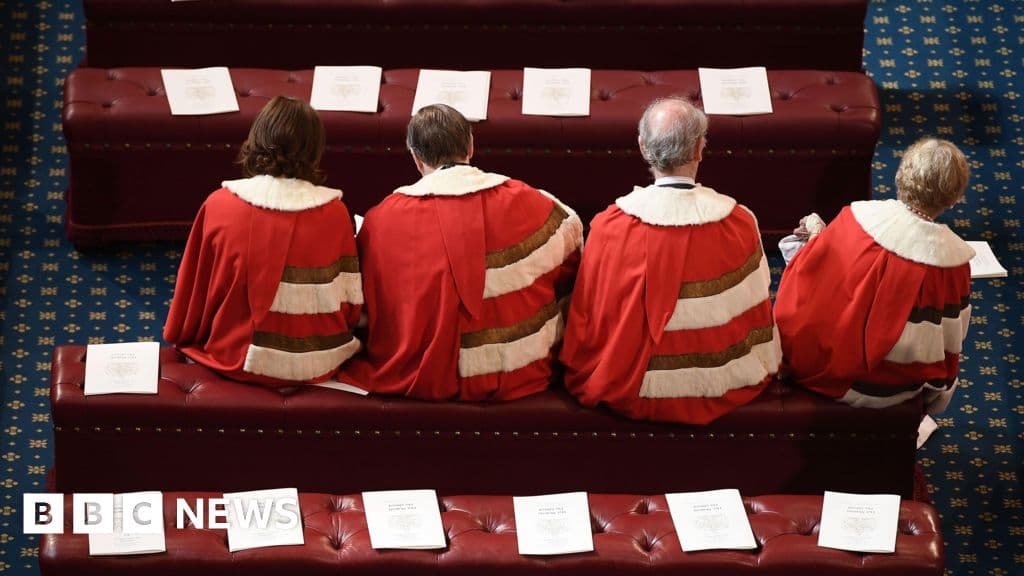
Hereditary peers in the House of Lords have officially lost their seats as a law abolishing their roles takes effect. This marks the end of a nearly 1,000-year tradition in British parliamentary history.
Hereditary peers in the House of Lords have left their red leather benches for the final time.
The majority of such peers, who inherit their titles through their families, lost the right to sit in the Lords in 1999, but 92 remained after a compromise deal with the Conservatives.
Now the bell has tolled for those doomed hereditaries too, with a law to remove their seats taking effect as the current session of Parliament ended earlier.
Lord Forsyth of Drumlean, the Lord Speaker, thanked them for their service, in a speech marking the end of nearly a thousand years of British parliamentary history.
Speaking at a farewell reception, Lord Forsyth said: "For close to a thousand years, hereditary peers and their families have helped to shape our institutions, defend our country, preserve our culture and strengthen that spirit of public service without which no nation can flourish.
"Hereditary peers have brought distinctive qualities to this House - an ethos of service, a long view and, not least, independence of mind.
"They have often shown a willingness to speak plainly, to resist passing fashions, and to act according to conscience rather than convenience."
A law removing the right of the last remaining hereditaries to sit in the Lords passed last month, enacting a commitment in Labour's 2024 election manifesto.
However 15 Conservatives and some crossbenchers - who are not affiliated to a political party - will be allowed to stay as life peers.
The government says they will be appointed to ensure the Lords "can continue to function effectively, and the experience of some departing hereditary peers is not lost".
They will take their seats alongside around 700 existing life peers, who are appointed to the role, and 26 Church of England archbishops and bishops.
Lord Strathclyde, a departing Conservative hereditary peer, said Wednesday had been a "sad and miserable day to be thrown out of the House of Lords" and condemned a move he said shifted the dial too far towards political appointees.
"The hereditaries were only 10% of the House," he added.
"They did no harm and provided historical perspective, so this just feels wrong."
The government has committed to further reforms to the House of Lords, including the introduction of a participation requirement for members and a retirement age. Select committee reports on the changes are expected later this year.
The changes on Wednesday complete an overhaul that started a quarter of a century ago, when in 1999, Tony Blair's government reduced the number of hereditary peers in the Lords from 759 to 92, in a compromise with the Conservatives.
Retired Tory peer Lord Salisbury, who helped negotiate that compromise, said that although he felt "quite sentimental" about the end of a tradition dating back to the 13th century, he had always believed there needed to be a reformed second chamber that enjoyed the support and respect of the modern public, without threatening the authority of the House of Commons.
A new law has taken effect that removes the remaining hereditary peers from the House of Lords.
Before the abolition, there were 92 hereditary peers remaining in the House of Lords.
Hereditary peers played a role in shaping British institutions and parliamentary history for nearly a thousand years.
Hereditary peers first lost their right to sit in the House of Lords in 1999, with a compromise allowing 92 to remain.
Police arrest suspect in Ohio festival shooting that injured 12; another suspect remains at large.
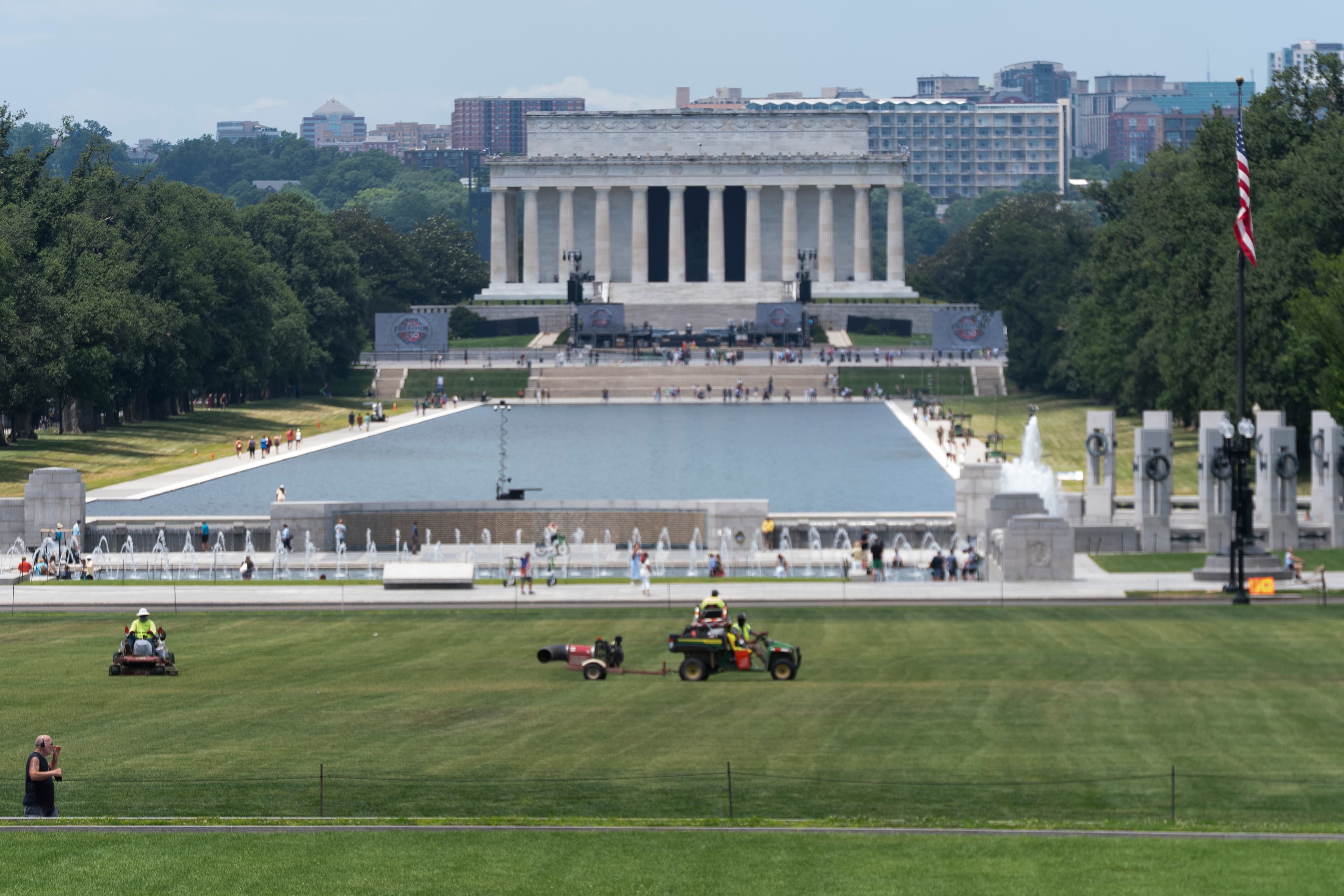
The Great American State Fair on the National Mall, organized by Freedom 250, showcases conservative advocacy groups and celebrates the U.S. 250th anniversary. The event has faced criticism from some Democrats for perceived partisanship and fundraising practices.
Republicans are losing patience with Trump's extended Iran war timeline as midterms approach.

Pope Leo warns human traffickers in the Canary Islands of divine justice.

A police officer in the UK faces a criminal investigation for allegedly using AI to create evidence, marking a first in the country.

UK commits to banning Russian diesel and jet fuel imports by January 2027 amid ongoing sanctions.
See every story in News — including breaking news and analysis.
"When I was negotiating with Tony Blair all those years ago, I was clear that if you simply remove the hereditaries, you leave a purely nominated chamber," he said.
"What you have is an extraordinary increase in the power of patronage of the prime minister, and that is a very powerful political tool."
Lord Salisbury recommended pulling in councillors nominated by councils from across the country to sit in the Lords.
Having indirectly elected members means these new peers would not threaten the mandate of MPs, he explained, but would also "give local government a voice in Parliament and would be a balancing power against the diktats of Whitehall".
Sign up for our Politics Essential newsletter to read top political analysis, gain insight from across the UK and stay up to speed with the big moments. It'll be delivered straight to your inbox every weekday.