
Families of Rex Heuermann victims confront US serial killer: ‘Save a spot in hell’
Families confront Rex Heuermann at sentencing for eight murders
The Guardian World1 min read

Heathrow's new chair is negotiating with airlines and landowner Surinder Arora to resolve disputes that could delay the £49bn third runway project. Talks focus on cost and service issues, with British Airways advocating for a £30bn cap on costs.
Mentioned in this story
Heathrow’s new chair has opened talks with airlines and the billionaire local landowner Surinder Arora to defuse a row that threatens to further delay the £49bn plan to build a third runway at Europe’s busiest airport.
Philip Jansen, who was appointed at the start of the year, is understood to have held meetings with the airport’s carriers and with Arora, who has been promoting his own £25bn expansion scheme, in the hope of finding the middle ground in a row over cost and service issues.
Last week the former BT boss and Thomas Woldbye, the chief executive of Heathrow, met International Airlines Group, the parent company of British Airways.
British Airways dominates Heathrow, accounting for more than 50% of slots, and the IAG chief executive, Luis Gallego, has said the cost of the third runway and associated works must be capped at £30bn.
Jansen is also understood to have held talks with Virgin Atlantic and Arora, a multibillionaire hotelier who has for years criticised the airport for “ripping off” passengers, airlines and retailers with high charges.
BA, Virgin and Arora are all part of Heathrow Reimagined, a campaign group seeking to drastically reduce the costs of operating at the airport. The airlines, as well as large carriers from the US, have refused to back the expansion plan “at any cost”.
Heathrow is considered to be Europe’s most expensive airport, and in March the UK aviation regulator rejected its plans to significantly raise its landing fees to fund a multibillion-pound upgrade.
“All airlines and their stakeholders agree over the necessity and long-term economic value of a third runway,” a source familiar with the talks said. “There are just differing points of view. Airlines want the lowest possible cost, other people want to get involved and think it can be done cheaper. Whatever happens, we are all going to have to work together. There needs to be good relations if we want to re-engineer a way forward.”
The chancellor, Rachel Reeves, has thrown the government’s weight behind the expansion, pledging that work will begin before the next election, after decades of controversy and opposition over costs and the local and environmental impact.
In November, ministers backed a plan for the runway to be up and running by 2035, before the rival proposal submitted by Arora Group, although Heathrow is still seeking formal planning approval to start construction by 2029.
The planned third runway at Heathrow is estimated to cost £49 billion.
Surinder Arora is a billionaire landowner promoting his own £25 billion expansion scheme while criticizing Heathrow's high charges.
British Airways is concerned about the costs associated with the third runway, advocating for a cap at £30 billion.
Philip Jansen, the new chair of Heathrow, is leading the negotiations with airlines and Surinder Arora.
Families confront Rex Heuermann at sentencing for eight murders

French police authorized to use water cannon on asylum seekers as part of £660m UK deal.

Lil Nas X shares his mental health journey after rehab: 'Less fear in my heart'

Trump Chooses Authenticity at Versailles Dinner with Macron
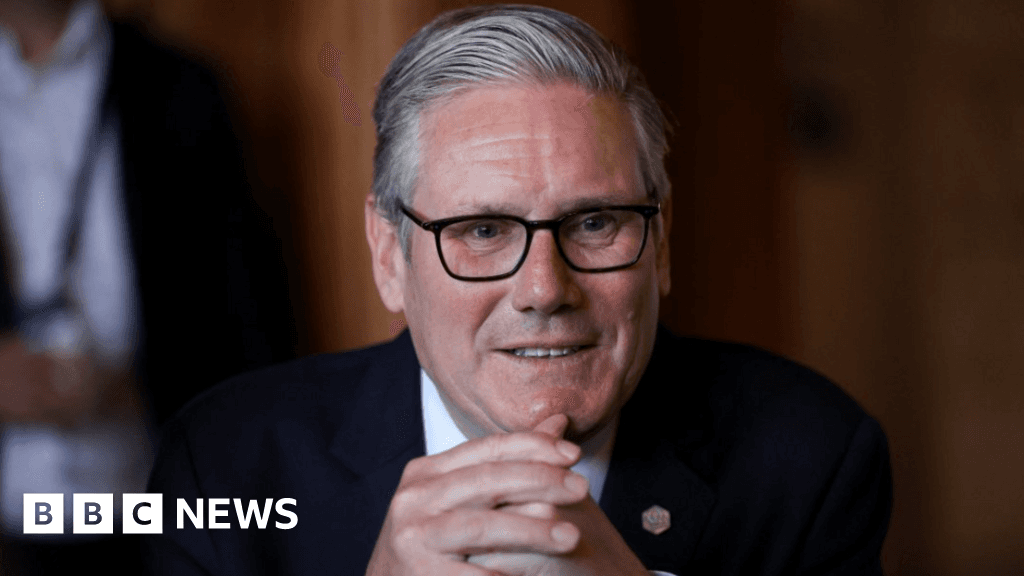
Starmer remains defiant against leadership challenges amid political maneuvers.

Macron highlights G7's shared commitment to Ukraine's integrity with US backing
See every story in News — including breaking news and analysis.
Heathrow is owned by a consortium of investors led by the French company Ardian and includes the sovereign wealth funds of Qatar, Singapore and Saudi Arabia.
China Investment Corporation, which owns 10% of Heathrow, is reportedly considering selling its stake over concerns about rising costs as the expansion project rolls out, according to the Financial Times.
A spokesperson for Heathrow said: “As newly appointed Heathrow chairman, Philip Jansen is spending time meeting with the airport’s key stakeholders. Building constructive relationships with them and especially our airline and commercial partners is essential to deliver our shared goals of excellent customer experience and fulfil our vision of being an extraordinary airport, fit for the future.”
Jansen has built something of a reputation for bringing together opposing parties to tackle difficult corporate stalemates.
At BT he engineered the signoff of £15bn in funding to roll out full fibre broadband across the UK, after decades of wrangling between stakeholders, making a promise to “build like fury” and address the national embarrassment of the UK’s status as a global laggard in internet connectivity.
The beleaguered London-listed WPP drafted in Jansen as the chair at the beginning of last year, promptly resulting in the removal of the chief executive, Mark Read, as the advertising company restructures under the former Microsoft boss Cindy Rose.
Separately, Aviation Services UK, which represents ground-handling companies such as Menzies, Swissport and Dnata, wrote to the aviation minister, Keir Mather, warning that the sector may need a Covid furlough-style scheme for employees if there are widespread flight cancellations because of fuel shortages this summer.
The ground-handling sector, which manages baggage and check-in services at airports and employs about 30,000 people, is remunerated on the basis of planes flying routes.
The issue of cutting and rehiring staff, who require lengthy security vetting to work in airports, became apparent during the Covid pandemic, when shortages caused chaos as airports began to get back on their feet.