
Japan reactor restart sparks fresh fears over nuclear waste storage
Japan restarts its largest nuclear power plant amid energy crisis, but faces nuclear waste storage issues.
NPR Topics: News1 min read
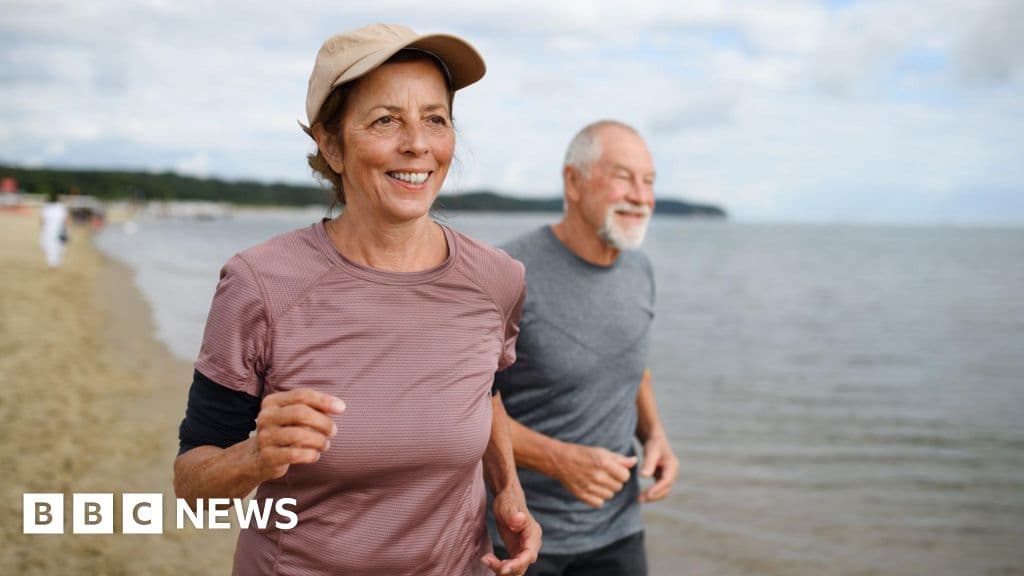
A new report reveals that people in wealthy areas of the UK can enjoy 20 more years of good health compared to those in poorer regions. Additionally, average healthy life expectancy has decreased by about two years over the past decade.
People in the wealthiest areas can have 20 more years of good health than those in the poorest, according to a new report.
The Health Foundation also found average healthy life expectancy in the UK has fallen by about two years over the decade 2012–14 to 2022–24 in its latest study.
The independent charity and healthcare think tank said this drop posed a significant economic cost and should be a "watershed moment".
Healthy life expectancy is the technical term used by experts for an estimate of how much of a lifetime is spent in good health, based on how people feel and report in surveys, as well as on mortality data.
The think tank's new analysis suggests that differences in healthy years lived between affluent and deprived areas have widened.
It also concludes that the UK has the second-lowest healthy life expectancy of high-income countries, which includes those in western Europe, the Nordics, North America and Oceania.
The Health Foundation said the findings revealed a stark decline in the nation's health and that this should be a wake-up call for policymakers.
Andrew Mooney, the think tank's principal data analyst, said: "The UK has the highest levels of obesity in western Europe and there has been a surge in mental ill health, especially among young people."
This had created "a significant economic cost, with poor health driving people out of the workforce and locking young people out of education, employment and training", he added.
The Health Foundation analysed data from the Office for National Statistics going back to 2012-2014 and made international comparisons using World Health Organization data, covering both physical and mental health.
The authors argued that looking back over a decade revealed a trend that can be explained by many factors - including poor housing, obesity and the effects of deprivation - as well as the Covid pandemic.
They note that overall life expectancy had remained broadly stable but the number of healthy years people were forecast to live had declined.
In 2022-2024, men in England in the least deprived areas had a healthy life expectancy at birth of 69.2 years on average and 14.4 years of ill health, while women had a predicted average of 68.5 years of good health and 17.9 in ill health.
But in the most deprived areas it was just 49.8 healthy years and 23.4 in poor health for men, and 48.2 years of healthy life expectancy and 30.1 in ill health for women.
For both men and women, the gap in healthy life expectancy between wealthier and poorer areas has widened compared to the data for 2013-2015.
The study also looked at 21 high-income countries and found that the UK had the second steepest decline in healthy life expectancy between 2011 and 2021. Only the United States has a lower average number.
Dr Layla McCay, policy director at the NHS Alliance, said: "The figures are a stark reminder of how deeply health inequalities are affecting people's lives, with too many communities in deprived areas spending more years in poor health.
The gap is 20 years, with wealthier areas experiencing significantly longer healthy life expectancies than poorer regions.
It has fallen by about two years from the period of 2012–14 to 2022–24.
Healthy life expectancy refers to the estimated number of years a person can expect to live in good health, based on survey responses and mortality data.
The decline poses a significant economic cost and is viewed as a critical moment for public health policy.
Japan restarts its largest nuclear power plant amid energy crisis, but faces nuclear waste storage issues.
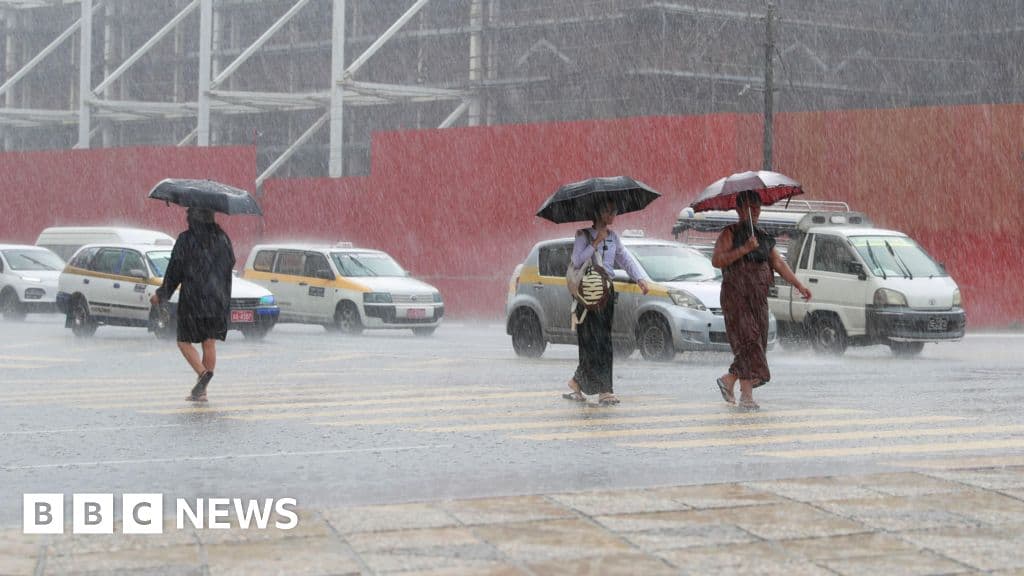
El Niño is officially underway, with scientists warning of extreme weather and record temperatures ahead.
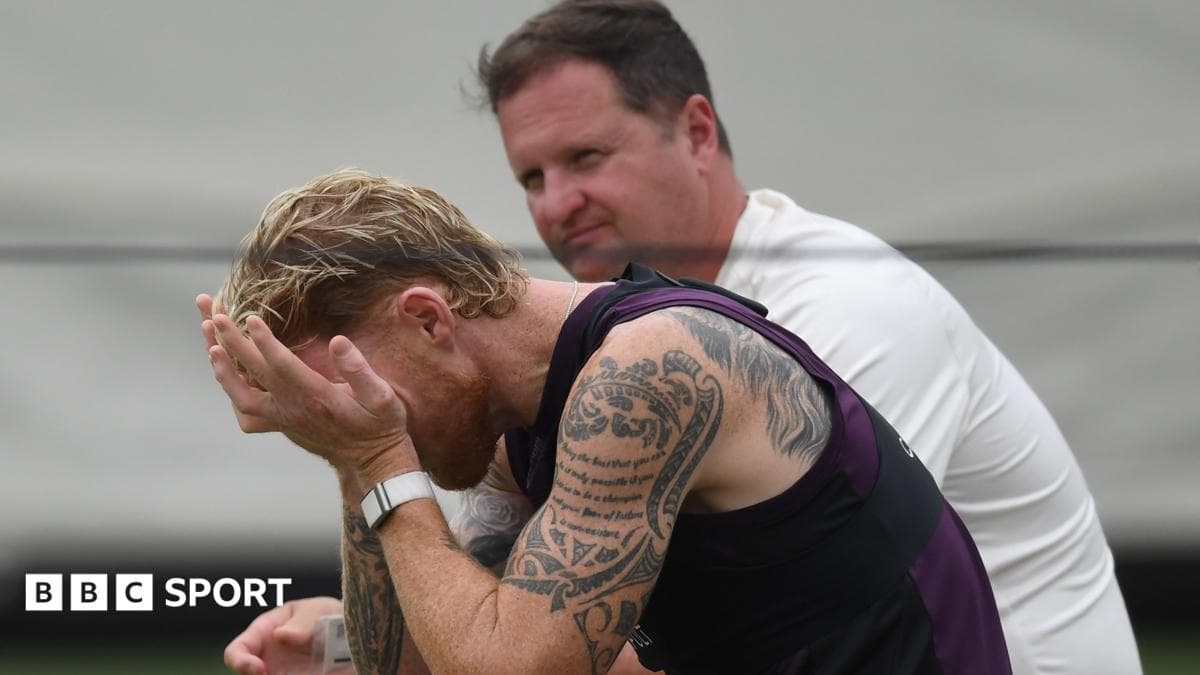
Rob Key considers an alcohol ban for the England team after recent nightclub incident involving Stokes and Atkinson.

Four Palestine Action activists could be sentenced as terrorists in the UK.

Iran has fully closed the Strait of Hormuz to all vessels amid rising tensions with the US.

Pope Leo urges humane treatment of migrants during Canary Islands visit
See every story in News — including breaking news and analysis.
"Our members have been clear that the answer has to be prevention first - tackling the wider determinants of health, strengthening community-based care and improving access to support closer to home."