
Australia can switch from fossil fuel exports to renewables, says next Cop president
Australia can transition from fossil fuel exports to renewables, says Chris Bowen at climate conference.
The Guardian World1 min read

Richard Marles faces pressure from Donald Trump to increase Australia's defense spending to 3.5% of GDP. Despite this, Marles and Prime Minister Anthony Albanese emphasize that spending decisions will be based on need rather than arbitrary targets.
Mentioned in this story
If there’s anyone who knows just how much pressure Donald Trump is heaping on allies to lift defence spending, it’s Richard Marles.
The message was received loud and clear when he met his US counterpart, Pete Hegseth, in Singapore nearly a year ago.
Angry at Nato and other countries Trump views as leeching off the US for security, the zero sum president insisted Australia must lift spending to 3.5% of GDP.
Instead of admitting they would bring forward decisions and increase budgets, Marles and Anthony Albanese played down the demands from Washington. Spending decisions, they said, would not be based on arbitrary goals, but instead on the basis of need.
Sign up for the Breaking News Australia email
So it was surprising on Thursday when Marles suddenly used the release of Australia’s latest national defence strategy to measure total defence spending in Nato terms, pointing out that by 2033, Australia will be above the 3% of GDP threshold. Earlier, he had announced defence spending would rise to about 2.4% of GDP over the next decade.
In an address to the National Press Club, Marles said the government would spend $14bn more over the four-year forward estimates period, and $53bn more over the next decade.
By his count, that means that Labor has increased defence spending by about $117bn over 10 years, compared with the former Coalition government. About $5bn in so-called “reprioritisations” would free up cash. The cuts include scrapping 10 Spartan c-27J small transport planes.
Marles said that was how you compare “apples with apples”.
But, like so much in the defence portfolio, the figures are as clear as mud.
Nato rules account for major projects and procurement differently to Australia’s federal budget. As Australian Strategic Policy Institute researcher Linus Cohen has noted, while costs in Australia are spread out over the lifetime of a major asset, like a new warship, members of the 32-country bloc report spending when the ship is built and the bill is paid.
Some budget spending that sits outside the defence portfolio would also be included in the 3% total for Australia, including the costs of international intelligence activities and superannuation entitlements for service members.
On , Marles says the picture is clear.
Trump demanded that Australia increase its defense spending to 3.5% of GDP.
Richard Marles downplayed Trump's demands, stating that spending decisions would be based on need rather than arbitrary goals.
Marles met with US counterpart Pete Hegseth in Singapore nearly a year ago, where Trump’s pressure on allies regarding defense spending was emphasized.
Australia, represented by Marles and Albanese, insists that defense spending decisions will not be dictated by external pressures but will focus on national needs.
Australia can transition from fossil fuel exports to renewables, says Chris Bowen at climate conference.
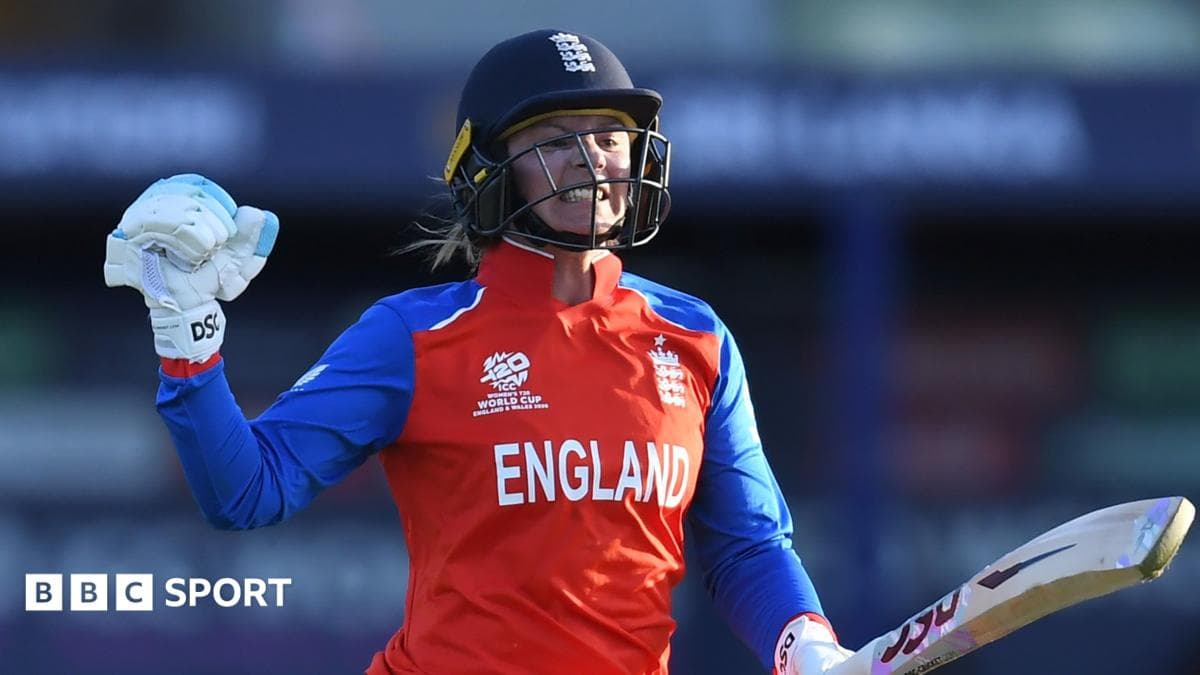
Danni Wyatt-Hodge shines as England beats Sri Lanka in T20 World Cup opener!

Palantir's legal challenge against a Swiss magazine ends in defeat

Elon Musk reaches trillionaire status after SpaceX's record debut!
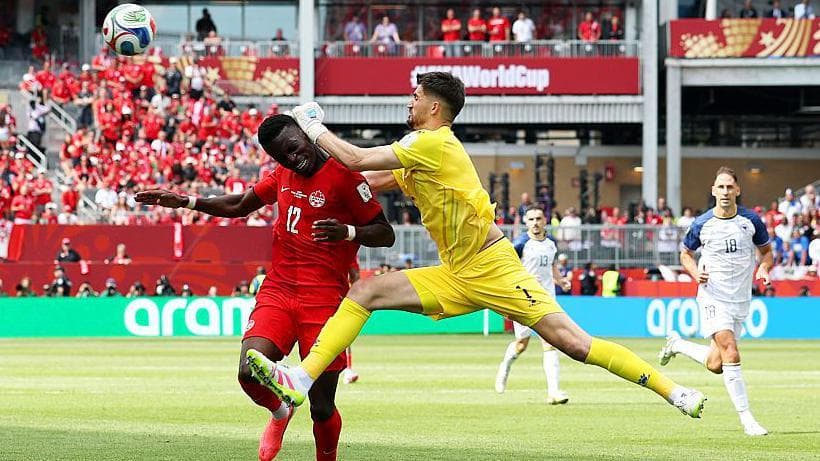
BBC pundits disagree on controversial Bosnia goalkeeper incident during Canada match

Switzerland votes on a controversial plan to cap its population at 10 million.
See every story in News — including breaking news and analysis.
Asked if the 2023 cost estimate of the controversial $368bn project is still current, he argued the best way to understand the total price tag is to consider it at about 0.15% of GDP over the life of the project. Initially unwilling to give a figure, Marles argues there hasn’t been a significant increase in the cost of nuclear subs.
But spending over the next decade on Aukus has increased from the $53bn-to-$63bn range provided in the last defence strategy two years ago, to between $71bn and $96bn over the same period today. The government says that change is related to the progress of related infrastructure, including the Osborne shipyard in South Australia and the Henderson base in Western Australia.
Under the Aukus deal, the first Virginia Class submarine from the United States is due to arrive in Australia in 2032, with another arriving every four years, before the bespoke Australian-built model starts coming online in 2042.
Perhaps frustrated at criticism from the opposition, the press gallery and defence commentators, Marles was pointed in his speech, insisting that increases in spending did not happen because of thinktanks, retired generals “or washed-up bureaucrats”.
On his own test – comparing apples with apples – Thursday’s explanation lacked the transparency Marles says Australian taxpayers expect and deserve.